The Real Sweden: Lakes, Forests, and Summer Cottage Culture
If you want to understand how Swedes actually live, don't go to Stockholm. Go to Central Sweden — Värmland and Dalarna — where every family has a summer cottage (sometimes inherited, sometimes rented), where weekends mean lakes and forests, and where the cultural relationship with nature is something you can actually feel instead of just read about.
This is the Sweden where the Coldcation concept actually originated. Not from tourism boards or marketing departments, but from real Swedish people saying: "Why spend July in a Mediterranean hotel when we can spend it at a lake cabin, swimming when it's 20°C, sleeping deeply, and not paying tourist prices for anything?"
Central Sweden is cheaper than the coasts. It's less crowded. It's where you understand that the appeal of Sweden isn't just views and activities — it's a fundamental relationship with nature and quiet that's baked into the culture. You don't come here to tick boxes. You come here to understand what "rest" actually means.
Värmland: The Forests and Lakes Region
Värmland is west-central Sweden, defined by forests, lakes, and an almost religious relationship with nature. The region is massive — about 17,000 square kilometers — and genuinely wild. Bears still live here. The forests are unbroken except for cleared farmland and small villages. The lakes are numerous enough that you could spend weeks just moving between them.
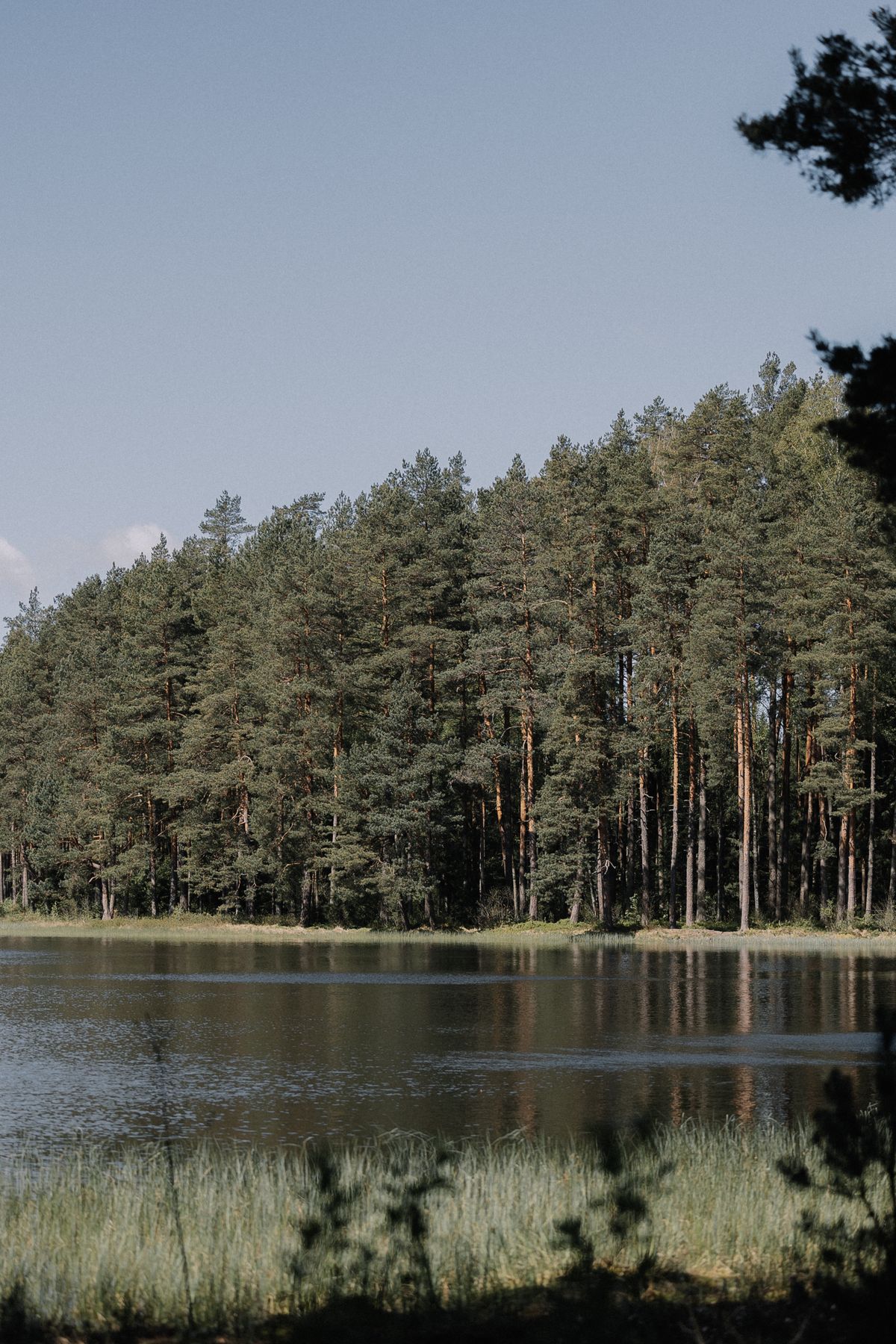
For visitors, Värmland offers what Swedes offer themselves: quiet, accessibility to nature, and the option to either do very little or do serious wilderness activities depending on your mood.
Summer Cottage Culture
Understanding Värmland means understanding Swedish summer cottage culture. Most Swedish families either own a cottage outright (sometimes inherited through generations) or rent one for the summer. The cottage is the cultural unit — it's where you go, you don't leave, you sit outside, you read, you swim, you eat food from the local market. It's intentionally unambitious.
As a visitor, you can rent a cottage through Airbnb, local agencies, or cottage-specific sites like Stugknuten or Hemavan. A basic cottage for four people costs 800-1500 SEK per night in summer. A nicer one is 1500-2500 SEK. This is significantly cheaper than hotels, and it's the actual experience of how Swedes spend summer.
What's included: typically a kitchen (fully equipped), bedrooms, a sauna (seriously — most cottages have saunas), a dock if it's lakeside, a fire pit, maybe a small boat. What you do: swim, read, cook simple meals, sit outside, sleep deeply because it's quiet and cool.
Lakes and Swimming
Lake Vänern is Sweden's largest lake and is partly in Värmland. It's massive (5,650 square kilometers) and genuinely beautiful. The water is clean enough to swim in (about 17-19°C in summer). Towns around it (Karlstad, Sunne, Mariestad) have infrastructure, but the real experience is renting a cottage on the shore and not leaving it except to swim and buy groceries.
Smaller lakes in Värmland are equally good: Siljan (shared with Dalarna), Klarälven river, and dozens of unnamed lakes where the only other people are locals and the only noise is forest sounds.
Towns Worth Visiting
Karlstad is the regional capital and has actual infrastructure — restaurants, shops, activities. It's worth a day if you're exploring, but it's not the point. The point is the lakes and cottages around it.
Sunne is smaller, quieter, and more accessible to good cottage rentals. It's the town to base yourself in if you're exploring the lake region seriously.
Dalarna: The Cultural Heart
Dalarna is the cultural center of Sweden in a way that's hard to explain to outsiders. It's where the Dala horse comes from (the iconic carved wooden horse that represents Sweden internationally). It's where Midsommar traditions are strongest. It's where you understand that Swedish culture isn't a thin tourist layer — it's actual and lived.
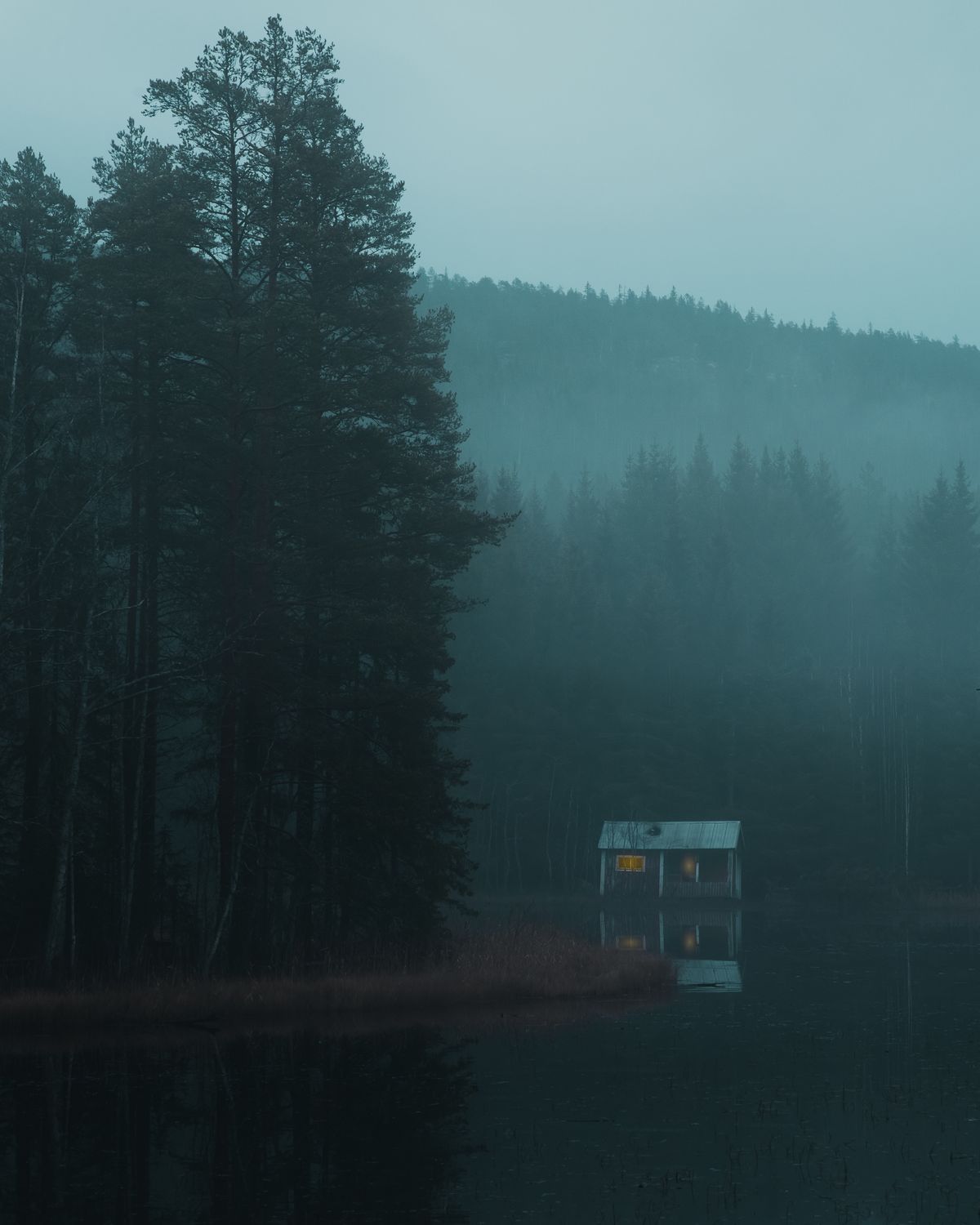
For visitors, Dalarna offers culture, nature, and the same cottage-and-lake experience as Värmland, but with more activities and more infrastructure if you want it.
Lake Siljan and the Circuit
Lake Siljan is the regional heart. The lake is surrounded by villages, all with cultural significance and good food. The "Siljan Circuit" is the loop around the lake (about 90 kilometers) and is accessible by car or bike. Each village has its character:
Mora — The Vasaloppet ski race finishes here (winter), and it's where Dala horses are carved. The town is low-key in a postcard way, which means it's slightly touristy but genuinely nice.
Rättvik — Quieter than Mora, beautiful town square, good restaurants, good base for exploring the lake.
Gagnef — The smallest and most authentic village on the circuit. Less infrastructure but more real.
Summer Culture: Midsommar Experiences
If you visit Dalarna in June, you'll encounter Midsommar preparations. The real celebration happens on Midsummer's Eve (Friday closest to June 21). Towns have celebrations, but the actual tradition is family and community gatherings. Some towns have public Midsommar celebrations you can attend (Rättvik has a famous one). It's maypoles, traditional dancing, food, and the summer solstice in a way that connects to centuries of Swedish tradition.
Nusnäs and Dala Horse Carving
Nusnäs is the small village where Dala horses are carved and painted. The two major producers (Grannas A Olsson and Nils Olsson Hemslöjd) both have workshops you can visit. You can watch the carving process (it's genuinely beautiful — carved in specific sequences that haven't changed in centuries) and buy directly from the source. A hand-carved, hand-painted authentic Dala horse costs 300-800 SEK depending on size. The mass-produced ones sold in tourist shops are not from here and not worth the money.
Winter in Central Sweden
Central Sweden has proper winters. Snow is reliable. Temperatures drop to -5 to -15°C regularly. The experience is different from summer — the landscape becomes stark and white, the days become very short, and the cultural vibe shifts from outdoor activity to interior coziness (mysig in Swedish — the concept of warm, cozy comfort).
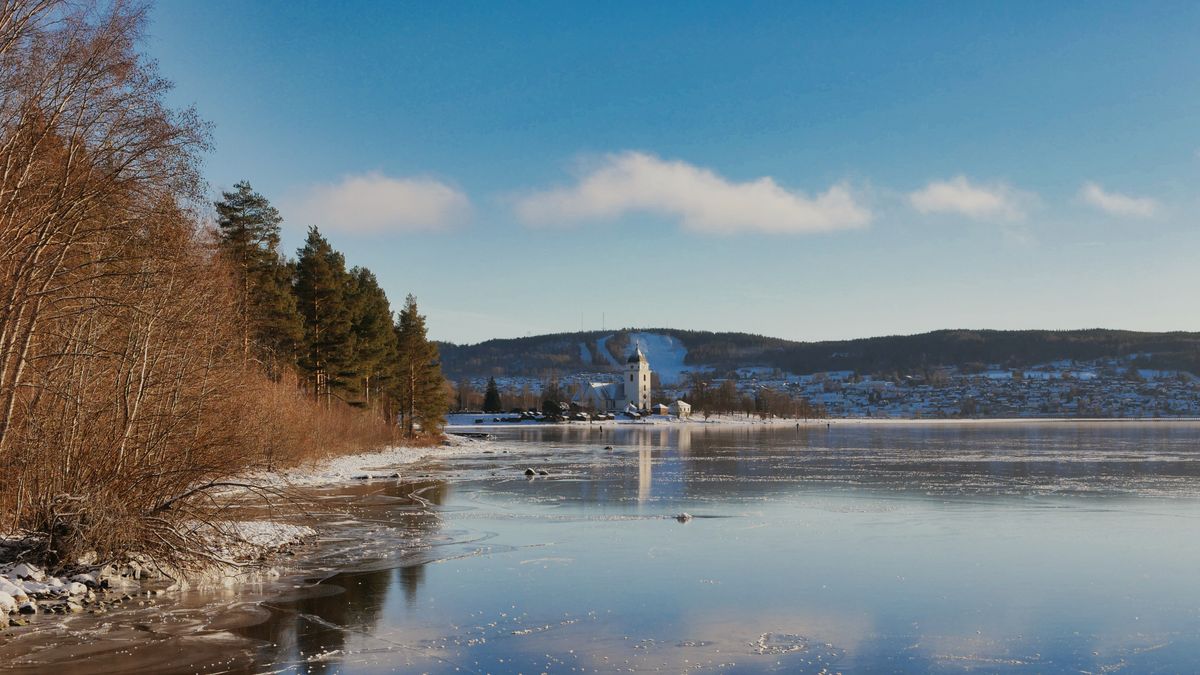
Winter activities: cross-country skiing (the Vasaloppet is the most famous race, but the entire region is threaded with ski trails), ice fishing, snowshoeing, spending time in the sauna followed by jumping in snow. The cottage experience continues — you just add a wood stove and warm clothes.
Getting Around and Practical Information
Transportation
Karlstad is about 3 hours from Stockholm by train. Dalarna is 4-5 hours depending on which part. Having a car is valuable (not essential, but helpful) for exploring the lake circuit and finding cottage rentals in more remote locations. Buses connect the main towns. Within towns, everything is walkable.
Accommodation
Summer cottages are the main experience (800-2500 SEK/night for a family-sized one). Hotels exist in the towns but are unnecessary — cottages are cheaper, more authentic, and more comfortable. Booking: Airbnb, Stugknuten (cottage-specific site), local tourism offices.
Food and Costs
Central Sweden is significantly cheaper than the coasts. If you're renting a cottage and cooking: 400-600 SEK/day per person for food. If you're eating out in towns: restaurants are 150-250 kr for main courses. Budget travelers: 800-1000 SEK/day. Mid-range: 1200-1500 SEK/day. Comfortable: 1600-2000 SEK/day.
🏠 Renting a Summer Cottage: What to Know
Book early (April-May for peak summer). Most cottages are bare-bones but fully equipped (kitchen, bedrooms, usually a sauna). Linen is often extra. Check water quality (most are fine, but confirm if it's from well or municipal). Expect to pay 20-30% more for direct lakeside. Don't expect luxury — expect authentic. That's the point.
Canoeing the Klarälven: Sweden's Longest Canoe Route
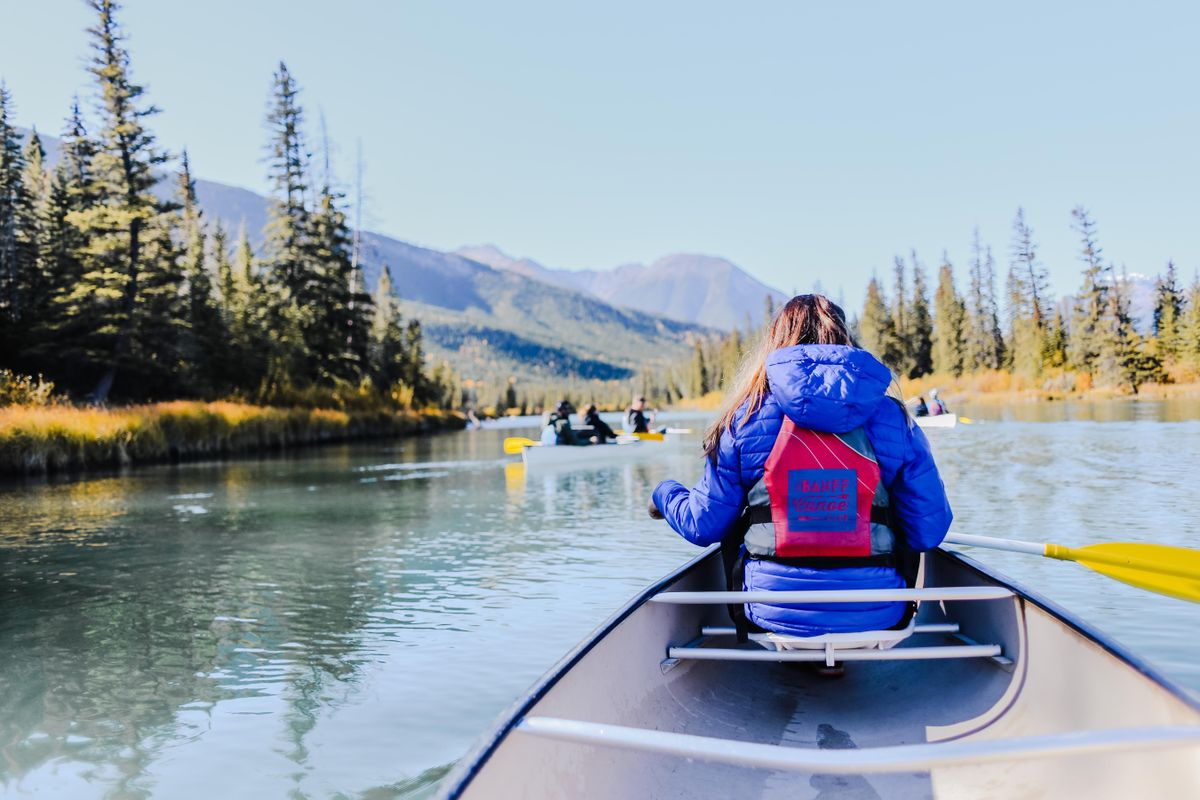
The Klarälven river runs 460 kilometres from the Norwegian mountains south through the forests of Värmland to Lake Vänern. A significant portion of it — roughly 200 kilometres between Höljes in the north and Karlstad in the south — is navigable by canoe, and it's one of the great flat-water routes in Europe. Not because it's dramatic, but because it's almost perfectly calm, passes through genuine wilderness, and requires almost no experience to complete.
The river's current does the work. You paddle gently and the forest moves past you. There are no rapids on the lower Klarälven — this is not a whitewater river. It's a wide, unhurried river where the banks are mossy and the reflections are clear and the only sound is water against the hull of a canoe. You camp each night on the riverbank under Allemansrätten, make a fire, eat whatever you bought at the last village store, and sleep deeply because you've been outdoors all day.
Värmlandskanoten in Gunnarskogen is the main outfitter — they rent canoes, provide route maps, and arrange transport back to your starting point. A week-long canoe trip including canoe hire costs around 3,500–4,500 SEK per boat. The slow section between Ekshärad and Karlstad (about five days' paddling) is the most beautiful and least challenging. If you have only two days, the stretch between Forshaga and Karlstad is accessible and excellent.
Cycling the Siljan Circuit
The road around Lake Siljan is approximately 90 kilometres, almost entirely flat, and passes through four villages, several beaches, a medieval church ruin and enough bakeries to make cycling feel like a legitimate reason to eat consistently well. It's possible in a day for a fit cyclist; two days is more enjoyable, with an overnight in Rättvik or Mora.
The route is signposted as part of the Siljanrundan cycling trail and requires no navigation beyond following the blue markers. You can rent bikes in Mora (at the tourist office or at several local shops for 200–300 SEK per day), do the circuit clockwise (starting south toward Leksand and Rättvik, finishing north through Orsa and back to Mora), and return the bike to the same shop at the end.
The highlight of the circuit is the stretch between Rättvik and Leksand on the eastern shore — the lake is wide here, and the light in the late afternoon comes off the water in a way that explains why Swedish landscape painters spent generations trying to capture it. There are public bathing spots at regular intervals. The circuit is well suited to a slower pace: stop, swim, sit in the sun for an hour, continue.
For those without cycling fitness, the circuit also works as a driving route with deliberate stops. The key villages — Mora, Rättvik, Leksand, Gagnef — are each worth an hour at minimum. Mora for the Vasaloppet museum and Dala horse carving at Nusnäs; Rättvik for the church and the lake views; Leksand for the Midsommar celebration in June; Gagnef for the sense of a village that genuinely hasn't changed much since the 1950s.
Autumn in Central Sweden: Mushrooms and Colour
September and October in Värmland and Dalarna are arguably better than summer, and almost entirely unvisited by international tourists. The crowds that arrive in June and July for Midsommar and lake swimming are gone. The forests turn — birch yellow, aspen orange, rowan red, all against the dark permanent green of the pines — and the light becomes the particular clear-gold of northern autumn that's completely distinct from anything further south.
Mushroom season runs from late August through October, peaking in mid-September after the first rains. The forests of central Sweden are excellent foraging ground: chanterelles, porcini (Karl Johan svamp in Swedish), and hedgehog mushrooms are common in the right conditions. Most Swedes forage independently — you need only know what you're looking for and carry a basket. For those uncertain about identification, several guided foraging walks operate out of Karlstad and Mora between August and October, typically costing 300–500 SEK for a half-day.
The autumn is also the season when the cottage culture in central Sweden is at its most self-contained. The swimming is over. The evenings are cold. You light a fire, cook what you've foraged or bought from the local farm shop, and the slow pace of Swedish summer transforms into something quieter and warmer. The sauna becomes less optional. The forest outside the window turns incrementally more dramatic each day until the birches are bare and it's November.
Practical: Getting There, Staying, Budgeting
Central Sweden is well connected by rail from Stockholm. Karlstad (Värmland) is two hours from Stockholm Central by direct train — this is one of the most accessible regions in the country for visitors arriving at Arlanda airport. Mora (Dalarna) is three hours by train, changing at Borlänge. Both Karlstad and Mora have adequate rail stations with connections onward to smaller towns.
A rental car makes the cottage experience practical. If you're staying in one place — one cottage, one lake — you can function without a car. If you want to move between towns, explore the Siljan circuit, or reach the better canoe put-in points, a car for 500–700 SEK per day is worth it.
Accommodation costs are the most significant advantage central Sweden holds over the more famous regions. A lakeside cottage for two runs 700–1,200 SEK per night through summer, rising to 1,200–1,800 SEK in peak July. Compared to comparable properties in the Stockholm archipelago (1,500–3,000 SEK) or the Bohuslän coast (1,200–2,500 SEK), central Sweden is meaningfully cheaper for meaningfully more space and nature access.
Central Sweden at a Glance
Best season: June–August for lake swimming and midsommar; September–October for autumn colour and mushrooms. Getting there: Karlstad 2 hours from Stockholm by train; Mora 3 hours. Canoe hire: Värmlandskanoten, Gunnarskogen. Key lakes: Vänern (Värmland), Siljan (Dalarna). Budget: 800–1,300 SEK/day including accommodation. Must-do: Klarälven canoe route, Siljan circuit, Dala horse workshop at Nusnäs.
Common Mistakes
❌ Staying in towns instead of renting a cottage
The whole point of Central Sweden is cottage and lake culture. Hotels are fine, but you're missing the actual experience. Rent a cottage, even for just a few nights.
❌ Over-planning activities
Central Sweden is about rest. You come here to sit by a lake, swim, read, cook simple meals. If you're planning activities every day, you're missing the point. Plan 30%, let 70% be unstructured.
❌ Not visiting in the right season for you
Summer (June-August) for lakes and Midsommar. Winter (December-February) for snow and coziness. Autumn is wet and moody (some people love it). Spring is unpredictable. Choose your season based on what you want.
Why Central Sweden Defines Coldcation
Central Sweden is where the Coldcation concept makes most sense. It's not about dramatic scenery (though it's scenic). It's not about extreme experiences (though those are available). It's about the idea that cool air and quiet and the ability to move outside comfortably creates a fundamentally different quality of rest than hot climates allow.
This is where Swedes go to remember why they live in Sweden. It's where you go to understand it too.