The Region Everyone Skips (And Why That's Their Loss)
Norrland is geographically easy to overlook. It's the space between the populated south of Sweden and the dramatic north (Lapland). It's not as famous as Lapland, not as food-obsessed as the south, not as accessible as the central regions. Tourist offices barely mention it. Everyone flies to Lapland for the Northern Lights. Nobody talks about Norrland.
Except the people who've been there. Then they come back.
Norrland is Västerbotten county and parts of Norrbotten, stretching roughly from the 63rd to 66th parallel. It's the region of the Arctic Highway, the midnight sun, the moose and bears and reindeer. It's culturally distinct — less Danish than the south, less focused on tourism than Lapland. It's a region where you actually feel like you're in the north, without the infrastructure challenges of the far north.
The price is 30-40% cheaper than Lapland. The experience is comparable. The culture is stronger. This is why Norrland is secret.
The Arctic Highway: The Drive That Changes Perspective
The E4 highway runs the entire length of Sweden's east coast. The section through Norrland (roughly from Umeå north to Kiruna) is called the Arctic Highway. It's one of the great drives in Europe, not because it's dramatic in a scenic way, but because it's dramatic in a geographical way. You're driving into the Arctic. The trees get smaller. The distances get bigger. The sky changes.
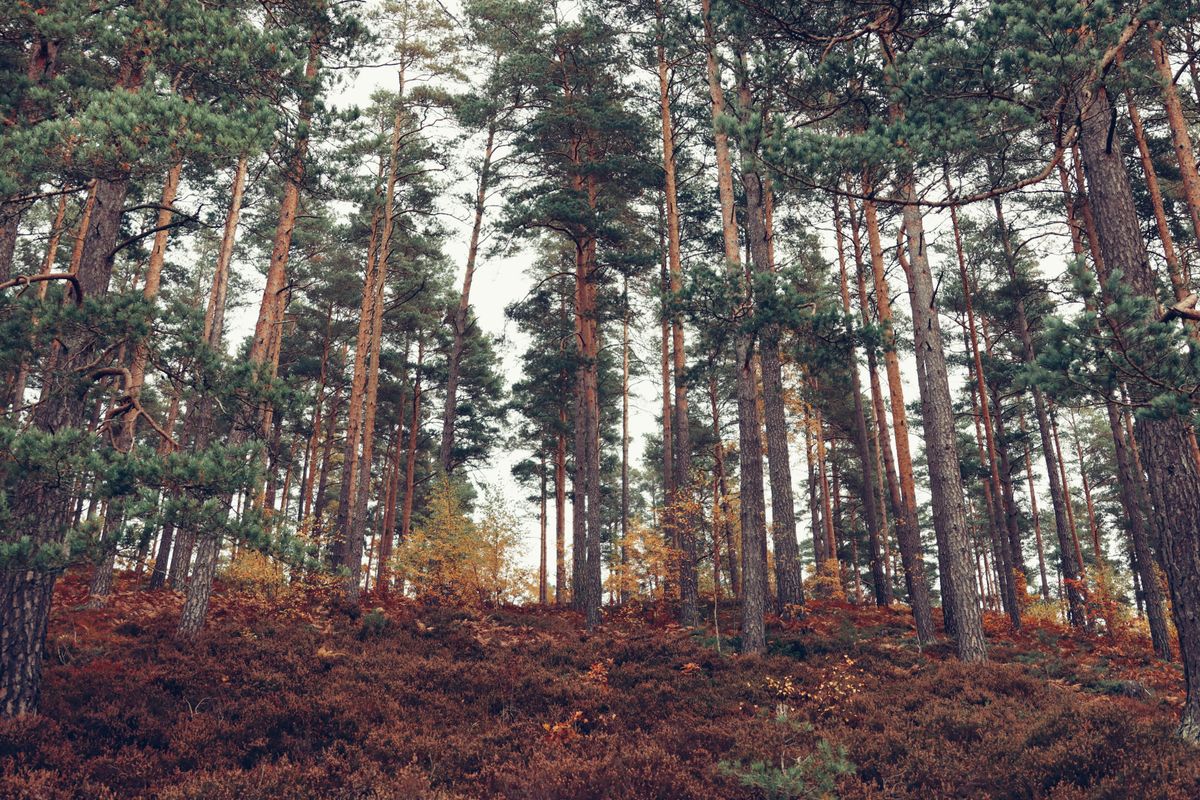
The drive can be done in stages: Umeå to Skellefteå (3 hours), Skellefteå to Västerbotten (2.5 hours), Västerbotten to Arvidsjaur (3 hours). You don't have to rush. There are good hotels, good food stops, and the actual experience is being in a landscape that feels progressively more remote.
The Arctic Highway is best done in summer (midnight sun light for hours after what would be sunset) or winter (snow, cold, extreme quiet). It's less interesting in shoulder seasons when it's just dark and gray.
Umeå: The Regional Hub
Umeå is the first major city in Norrland (population 130,000). It's a university town with actual culture — art galleries, good restaurants, active nightlife. It's where you can base yourself if you want infrastructure, or pass through if you want to continue north.
What to do in Umeå: The Umeå Street Art Festival has created a walkable art trail through the city. The restaurants are good and surprisingly cheap (250-350 kr for good food). The vibe is young and energetic because of the university. It's a functional place to spend a day or overnight.
Västerbotten: The Food Culture You've Never Heard Of
Västerbotten is a region that most Swedish people, if they know anything about it, associate with one thing: Västerbottenpaj, a pie made with a specific cheese (Västerbottensost) that's made in the region. The cheese is sharp, complex, and genuinely distinctive. The pie is basic — cheese, cream, meat, pastry — but it's almost a religious experience if the cheese is right.
Beyond the pie, Västerbotten has a food culture that rivals anywhere in Sweden. It's based on what the region produces: the cheese, fish from the rivers, game (moose, reindeer). The restaurants are small and serious. This is not a region trying to be foodie-famous — it's a region feeding itself excellently and tourists benefit from that.
Towns in Västerbotten
Skellefteå (population 72,000) is the largest town. It has restaurants, hotels, and cultural activities. It's not beautiful in a postcard way, but it's real and functional and genuinely good. Hotel Västerbotten is reliable; restaurants include local-focused places that are worth seeking out.
Lycksele is smaller (population 8,000) but has a wildlife park (Lycksele Djurpark) and is closer to wilderness. It's a good base if you want less urban infrastructure.
Norsjö is tiny and barely appears on maps. It has a wildflower meadow (Norsjömaden) that's genuinely beautiful in late summer. It's where you come if you want actual quiet.
Wildlife Viewing
Norrland has moose, bears, lynx, and wolverines. Most tourists who want to see wildlife go to Lapland and book expensive safari tours. In Norrland, you see them incidentally — driving the Arctic Highway, walking in forests, paddling rivers. It's less guaranteed but more authentic.
If you want organized viewing: Lycksele Djurpark has captive animals (better than nothing). Various outfitters run moose-spotting and fishing trips. The region has genuine wilderness and enough wildlife that you have a reasonable chance of seeing something if you're in the right place at the right time.
Midnight Sun and Light
Norrland crosses into midnight sun territory starting around June 21. In Umeå (63°N), the sun doesn't set, just dips toward the horizon. In Västerbotten (65°N), there are a few hours of twilight. In Arjeplog and further north, true midnight sun (sun visible all 24 hours) begins around late June.
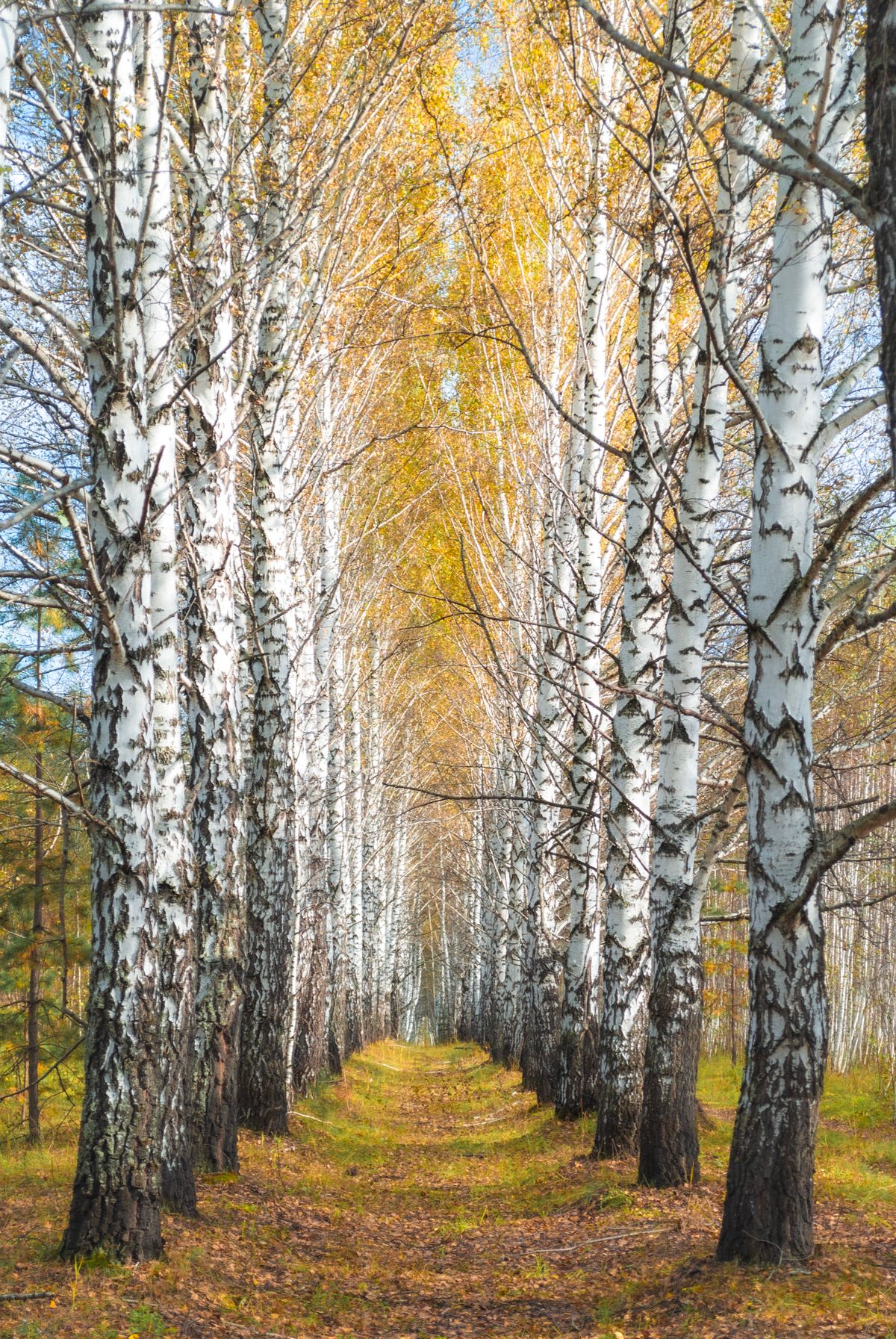
The midnight sun experience is profound if you understand what's happening: at 65°N, the Earth's tilt means the sun circles the horizon at night instead of setting. Your body doesn't understand why you're not tired at midnight. Your circadian rhythm breaks. It's disorienting and excellent.
The light quality in summer is unlike anything further south — clear, cold, blue-tinted, and everywhere. Photography is excellent. Hiking is possible 24 hours a day. Sleep becomes a choice rather than an inevitability.
Winter in Norrland
Winter starts around November and lasts until March. Temperatures are extreme (-10 to -20°C common). Darkness is total — December has maybe 4-5 hours of twilight at midday. Snow is reliable. The landscape becomes monochromatic white.
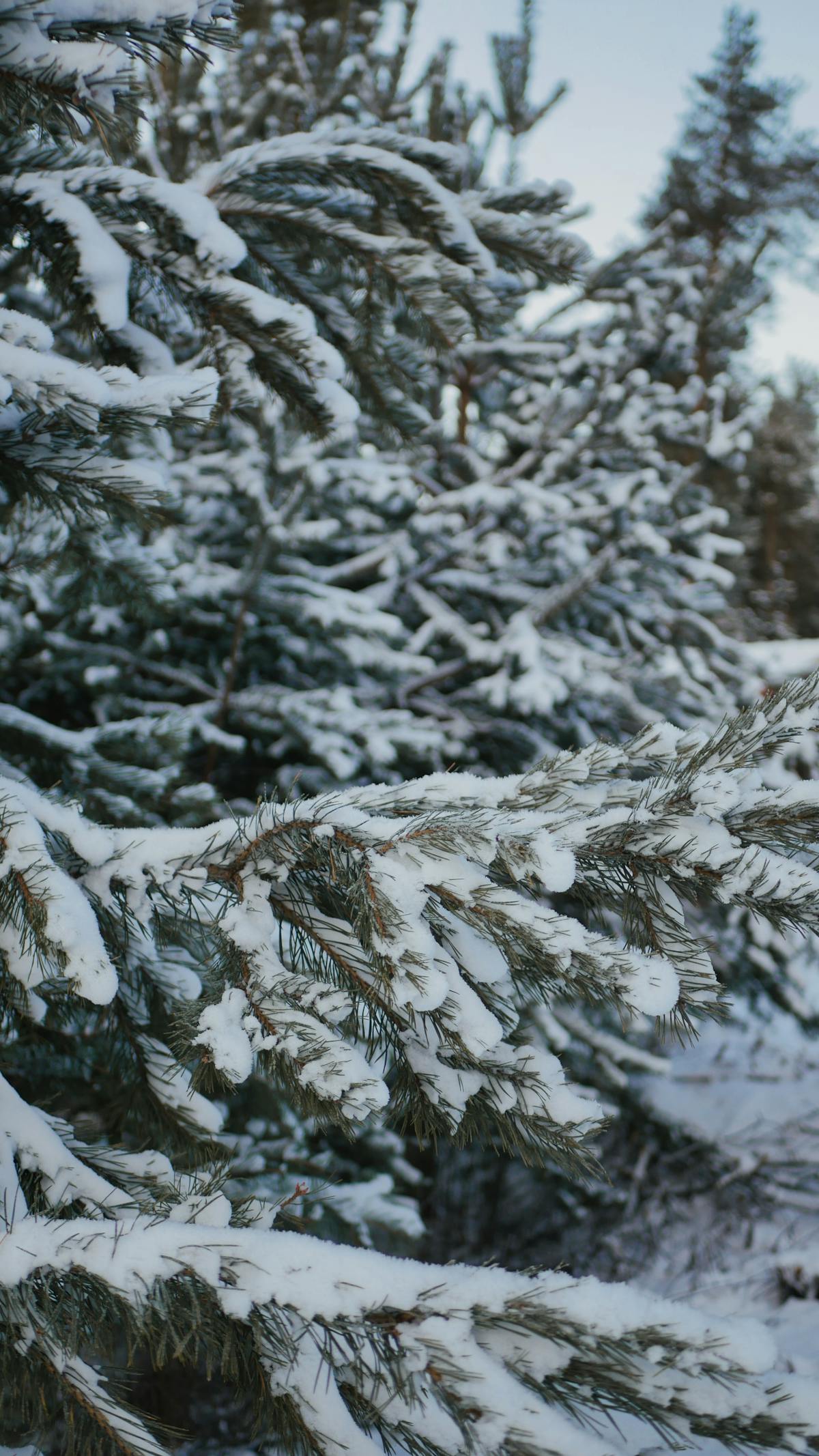
Winter activities: cross-country skiing, snowmobiling, ice fishing, dog sledding (less famous than Lapland but available). Winter is when Norrland is most visibly Arctic.
Getting Around
Driving
A car is essential to actually experience the Arctic Highway and remote areas. Rental cars are available in Umeå. Roads are well-maintained even in winter (Sweden takes road maintenance seriously). The drive is the experience — don't rush.
Trains
The train line (Arctic Train / Järnvägen genom Norrland) runs from Stockholm through Umeå to Kiruna. It's the scenic alternative to driving. Journey time: Stockholm to Umeå is 15 hours; Umeå to Kiruna is 13 hours. You can break it into stages.
Flights
Umeå has an airport with connections to Stockholm (domestic) and a few other cities. It's less convenient than driving but faster if you have limited time.
Budget and Costs
Norrland is cheap compared to Lapland and the coastal regions. Budget travelers: 600-900 SEK/day. Mid-range: 1000-1400 SEK/day. Comfortable: 1500-1900 SEK/day. Food is cheaper — main courses at good restaurants are 180-280 kr. Hotels are 700-1200 SEK/night for decent places.
🧀 Västerbottenpaj: Where to Find It
Don't look for it on touristy menus. It's in local restaurants, bakeries, and food shops in Västerbotten. A slice costs 50-80 kr. Buy it from a bakery rather than a restaurant — it's cheaper and often better. Pair it with coffee and understand why the region cares about this specific pie.
When to Visit Norrland
Summer (June-August)
Midnight sun, green forests, good weather (13-18°C), all services open. The most popular season. Booking ahead is wise.
Winter (December-February)
Darkness, snow, extreme cold, but the landscape is genuine. Winter activities are available. Fewer tourists. The genuine Arctic experience.
Shoulder Seasons (May, September)
Unpredictable. Can be beautiful (May with light, September with autumn colors) or wet and gray. Less crowded. Choose carefully based on forecasts.
Getting There: The Train North
The practical starting point matters here. Most travellers arrive in Umeå or Sundsvall by overnight train from Stockholm — a journey of five to seven hours depending on the service. The night train from Stockholm Central departs around ten in the evening and arrives in Umeå by six in the morning, which means you've slept on the way north and arrive with a full day ahead of you. Book with SJ at least two weeks out; the overnight sleepers sell well in summer.
Flying is faster but misses the point. Part of the Norrland experience is the transition — watching the landscape change out the window as the birch trees thin and the distances between towns grow. The train gives you that. Flying does not.
From Umeå, a rental car is the practical choice for exploring further north. The E4 Arctic Highway is well-maintained year-round, and petrol stations are spaced at reasonable intervals even into the more remote sections. Budget around 600–900 SEK per day for a mid-size rental. Public buses exist but are infrequent north of Skellefteå — if you're serious about exploring the region properly, the car is worth it.
The Ume River: Fishing and Paddling Without the Tourist Apparatus
The Ume River (Umeälven) runs from the mountains of Lapland southeast through Västerbotten county to the Gulf of Bothnia at Umeå. It's one of Sweden's great rivers — 460 kilometres of it — and it's almost entirely unknown to visitors who aren't specifically fishing tourists.
For fishing, the Ume is primarily known for sea trout and salmon in the lower reaches near Umeå, and for grayling and trout in the upper sections. Fishing licences are purchased through the regional management authority and cost 150–350 SEK per day depending on the stretch. The lower reaches require more expensive licences and attract more serious fishermen; the upper sections near Storuman and Sorsele are quieter and cheaper.
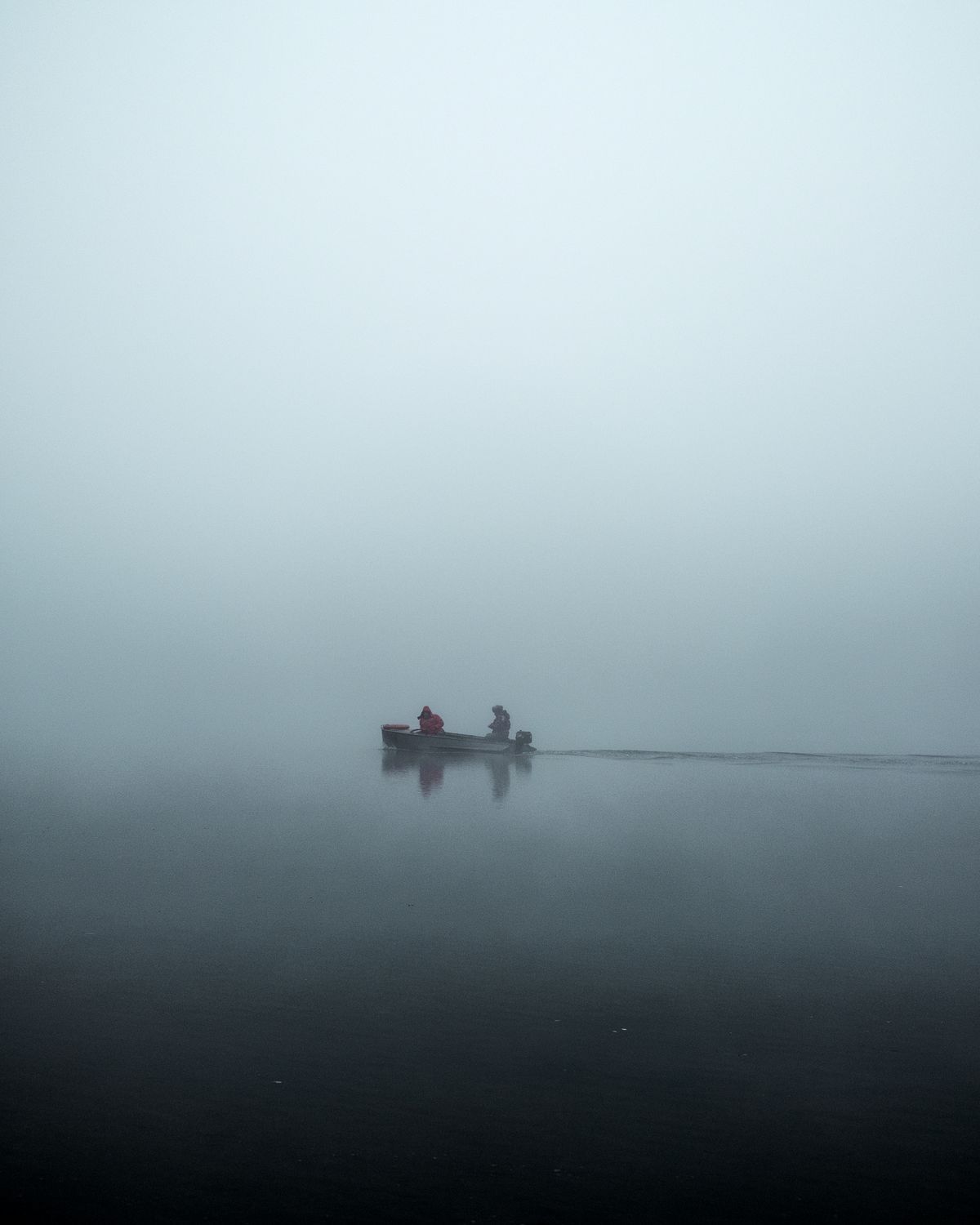
For paddling, the river offers multi-day canoe routes that require no booking, no tour operator, and almost no money. You rent a canoe in Storuman (the canoe hire at the camping there is reliable), paddle downstream through forest and fell, and camp each night under Allemansrätten on the riverbank. The current does most of the work. A four-day paddle to Lycksele costs around 800 SEK total for the canoe hire, and you'll see moose, ospreys and possibly bear prints in the mud of the banks without a guide, a vehicle or a schedule.
Why Norrland Beats Lapland for Winter
Most travellers who want a Swedish winter experience — Northern Lights, snow, cold, reindeer — go to Lapland. This makes sense. Abisko and Kiruna have excellent tourism infrastructure built around exactly this experience. But it also means they're paying Lapland prices in Lapland crowds.
Norrland's winter case is simpler: it has most of the same experiences at 30–40% of the cost, with substantially fewer people. The Northern Lights are visible in Norrland on the same nights they're visible in Lapland — the aurora doesn't stop at a county line. Snow arrives in November and stays until March or April. Temperatures in Skellefteå and Umeå run between -5°C and -20°C in the deep winter months, which is cold enough for all the winter activities but not extreme by Arctic standards.
What Norrland doesn't have: the deliberately marketed \"Lapland experience\" with its ice hotels, husky parks and reindeer farms built for international tourism. That's the tradeoff. If you want the packaged version, Lapland is better. If you want to do it yourself — hire snowshoes from a sport shop, rent a cabin outside Lycksele, drive into the wilderness at ten at night with a flask of coffee to watch for aurora — Norrland is significantly better value and significantly less crowded.
For Northern Lights specifically: the dark period in Norrland (when the sun barely rises, roughly late November to early January) is the prime window. Clear nights are the requirement. The Umeå area averages around 80 clear nights per year; the more northerly parts of Norrland get slightly more. Apps like Aurora Forecast or the SpaceWeatherLive site give reliable Kp index forecasts 24–48 hours out.
Where to Stay and What to Budget
The accommodation question in Norrland divides into two categories: towns and wilderness. In towns — Umeå, Skellefteå, Lycksele — the options are standard hotels, mostly Swedish chains (Clarion, Scandic) with prices ranging from 800–1,400 SEK per night. These are functional, clean and unremarkable. The Better option in these towns is often an apartment rental, which gives you a kitchen and drops the nightly cost to 600–900 SEK for two people.
Outside towns, the accommodation changes character. Stugor (cabins) can be rented from camping sites and local operators across the region. A basic lakeside cabin for two costs 600–900 SEK per night. A larger cabin for a family is 1,000–1,500 SEK. These cabins typically have kitchens, outdoor firepits, sometimes saunas. They are the correct way to experience Norrland — not because hotels are bad but because the whole point of the region is the landscape, and a cabin on a lake gives you access to it from the moment you wake up.
Budget summary for Norrland: a week of independent travel — one or two nights in a town at arrival, the rest in cabins, one canoe hire, eating simply and cooking most meals yourself — costs around 7,000–10,000 SEK per person including transport from Stockholm. This is approximately half what the same itinerary would cost in Lapland. The experience difference is mostly in the packaging, not in the actual landscape or wildlife.
Norrland at a Glance
Best season: June–August (midnight sun, outdoor activities) or December–February (Northern Lights, winter wilderness). Getting there: overnight train from Stockholm to Umeå (5–7 hours). Car rental essential for exploring north of Skellefteå. Budget: 900–1,400 SEK/day mid-range. Key experiences: Arctic Highway drive, river paddling, midnight sun photography, Northern Lights in winter. Temperature: 15–22°C summer, −5°C to −20°C deep winter.
Common Mistakes
❌ Treating Norrland as just a drive-through to Lapland
Norrland is excellent in itself. Stop. Spend time. Explore towns. Eat properly. The region deserves 3-5 days minimum, not 6 hours of driving.
❌ Expecting postcard-perfect scenery
Norrland is beautiful but subtle. Forests, rivers, tundra, sky. It's not dramatic peaks and waterfalls. It's the quiet drama of vastness and distance.
❌ Not scheduling enough time for the Arctic Highway
It's a long drive. Don't rush. Break it into stages. Stay overnight in Västerbotten. The drive is the experience, not the means to an experience.
Why Norrland Matters
Norrland proves that the Arctic experience doesn't require Lapland's prices or infrastructure. It's cheaper, less crowded, and in many ways more authentically northern. It's where you understand that the appeal of the Arctic isn't just the Northern Lights or extreme activities — it's the landscape, the light, the vast quiet, and the sense of being in a geography that's genuinely different from anywhere further south.
Norrland is the secret that's not secret because everyone keeps it to themselves.