Why South Sweden Gets Ignored (And Why That's Your Advantage)
Every traveler arrives in Stockholm. Every traveler knows about Lapland and the Northern Lights. Almost nobody goes to South Sweden, and that's exactly the problem with South Sweden's reputation — not with South Sweden itself.
Here's what happens: tourists fly into Malmö as a connector to Copenhagen, spend 6 hours in the city, and leave. They miss that South Sweden is fundamentally different from the rest of the country. It's Denmark-adjacent in everything except the passport. The food culture is obsessive (not in a casual way — in a "we have 3-star restaurants in towns of 15,000" way). The wine exists. The light in summer is the longest in Sweden, but temperate, and the region is the warmest part of the country by a significant margin.
South Sweden is where you go when you realize that a coldcation doesn't mean cold. It means cool. Clean air. Accessible nature. The ability to walk outside without planning your route around polar bears. It means 18°C in July instead of 28°C in Barcelona, and honestly, once you've tried 18°C summer, 28°C feels less like a holiday and more like an endurance test.
Malmö: The City Most Tourists Get Wrong
Malmö has a reputation problem. It's considered a transit city, a photo stop on the way to Copenhagen, somewhere you grab coffee and leave. The reality is that Malmö is one of Sweden's most interesting cities, and its food scene is legitimately genuinely good in a way that's completely different from Stockholm's.
Stockholm's restaurants are architectural — they're designed experiences in expensive locations. Malmö's restaurants are obsessive. They're run by people who care about sourcing in a way that reads as personal, not corporate. Volmers, which I've mentioned before, is in Malmö for a reason: the city attracts chefs who want to cook, not entrepreneurs who want to run restaurants.
For a visitor, this means the food is cheaper than Stockholm and better. A full meal at a Michelin-worthy restaurant costs half what you'd pay in the capital. The wine list exists because Malmö has a Danish wine culture that Stockholm never developed. The coffee is good because there's serious competition — there are probably 40 excellent independent cafes in a city of 300,000.
Where to Stay in Malmö
Gamla Väster (Old West) is the neighborhood to stay in. It's where the independent restaurants, vintage shops, and real café culture live. It's not polished — it's actual. The cobblestone streets feel like a different city than the modern harbor area. Hotels are fewer but better here. Budget options: Vandrarhem Malmö or STF Malmö; mid-range: Mayfair Hotel or Storm Hotel; splurge: Villa Källhagen.
The harbor (Västra Hamnen) is newer and glossier, with better sightlines and modern hotels, but it's less interesting as a neighborhood. It's clean and safe and has good restaurants, but it feels like what it is: redeveloped dockland.
What to Actually Do in Malmö
Eat. This is not hyperbole. Make a restaurant list before you arrive. Book tables. Some options that won't require a Michelin guide: Bloom in the Park (seasonal vegetable focus, affordable, excellent), Kräm (casual Nordic, 150-200kr main courses), Vollmers (what I mentioned — 400-600kr for a complete experience).
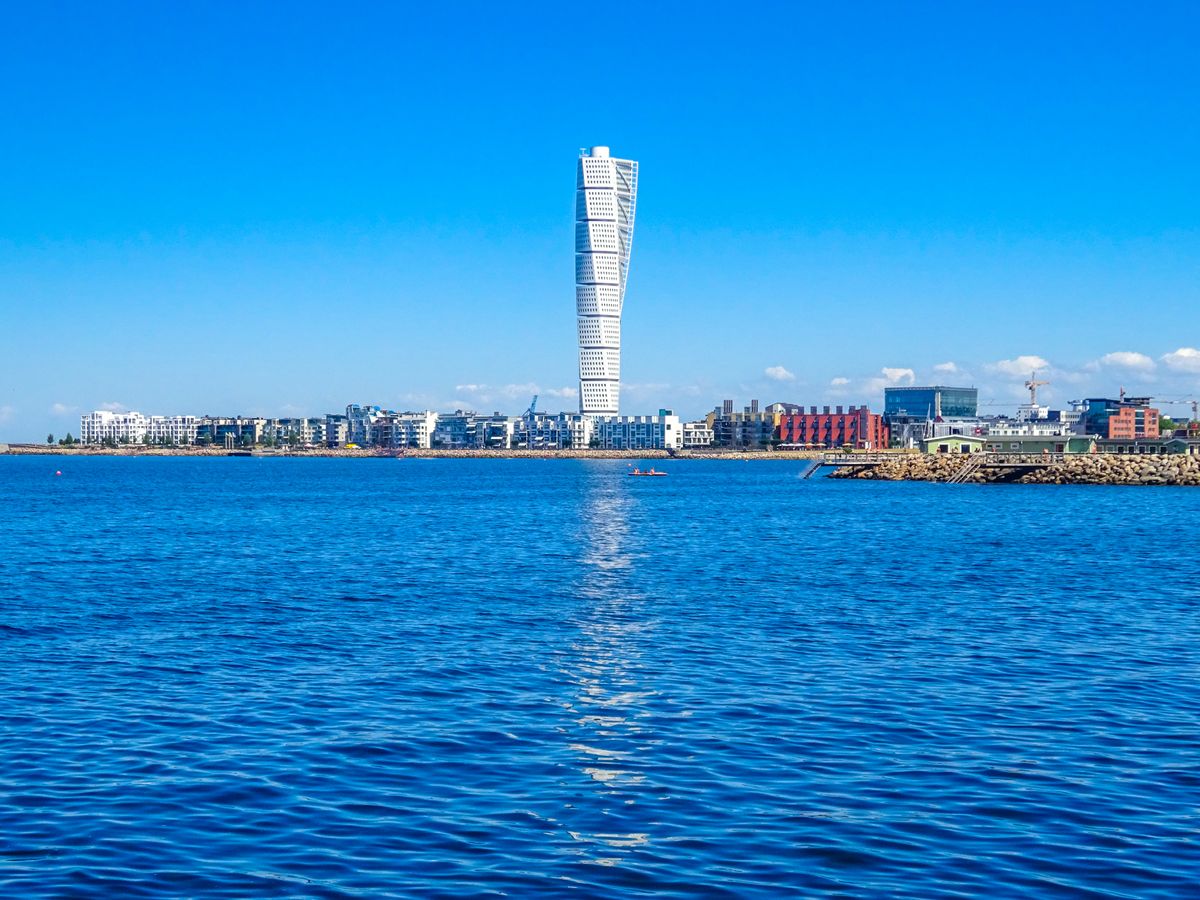
The Turning Torso. This is the white spiral building you've seen in every photo of Malmö. It's 190 meters of residential apartments designed by Santiago Calatrava. You can't go inside, but the architecture is distinctive enough that seeing it from street level is worthwhile. The real experience is the walk along the harbor toward it — the harbor path is one of the best walks in any Swedish city.
Malmö Konsthall. The art museum is free (yes, free — donations accepted). The building is interesting, the exhibitions rotate, and it's indicative of how serious Malmö is about culture that it's not gatekept behind admission fees.
Coffee in Gamla Väster. Spend an afternoon just sitting in cafes. The café culture is genuinely good — people take coffee seriously. Kafé Sill, Mörkaste Stockholm, Dolce Vita are all worth it for the coffee and the vibe.
Österlen: Where the Food Culture Actually Lives
If Malmö is where restaurants exist, Österlen is where the food obsession actually happens. Österlen is a region, not a single town — it's the southeastern part of Skåne, centered around villages like Löderup, Kivik, Simrishamn, and Ystad. It's agricultural, it's wine country (Swedish wine, which sounds contradictory but is real), and it's where every chef in the region sources their ingredients.
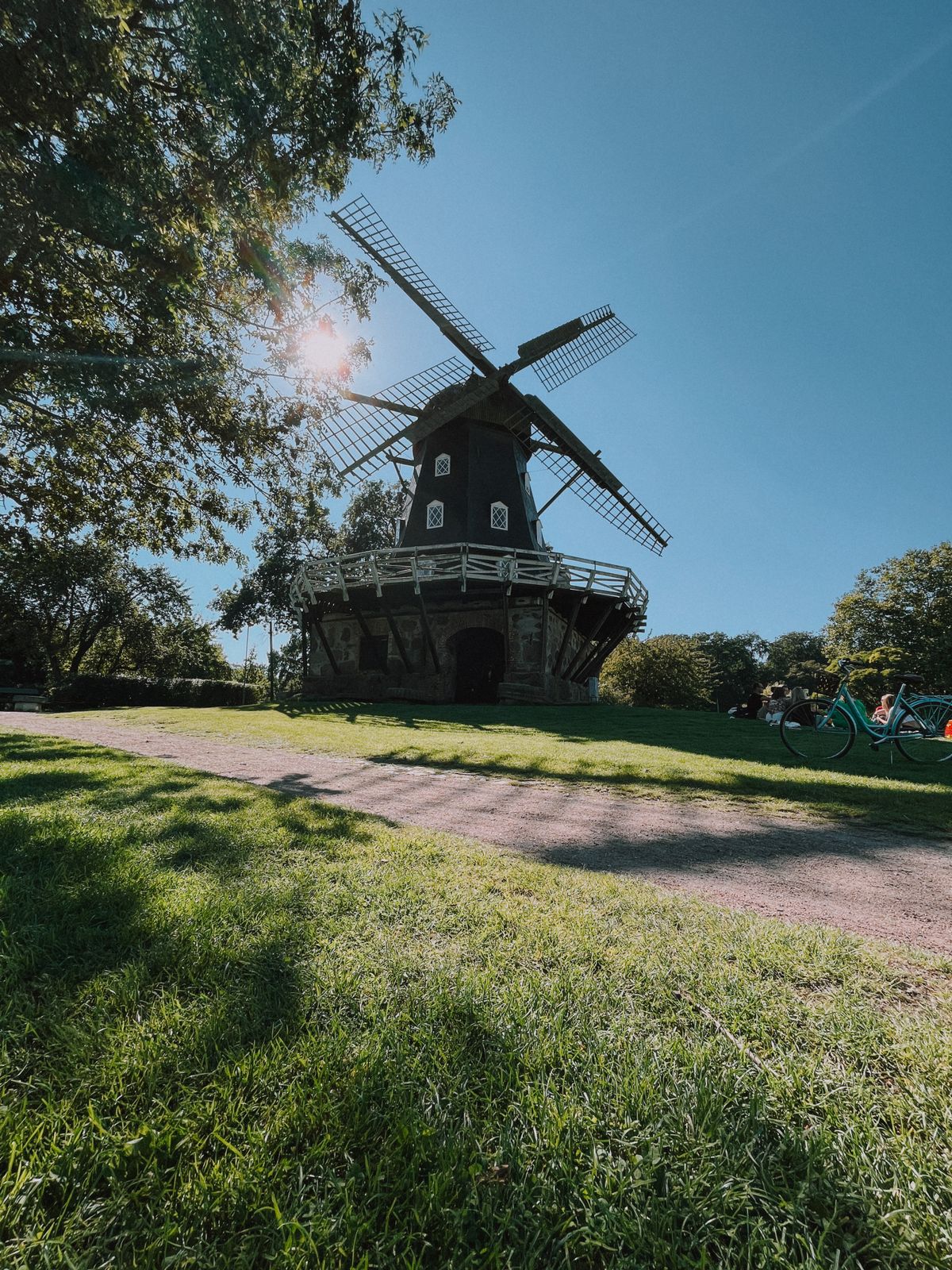
The landscape is entirely different from the rest of Sweden. The geology is limestone, which makes the soil different, which makes the vegetables different. The farms are small, the markets are serious, and there's a food culture that reads as almost Italian in its intensity — producers who know their customers by name, restaurants built around what the farm has that week.
Kivik and the Almond Towers
Kivik is a small town that becomes briefly famous every summer for Kivik Apple Market (one of Sweden's largest farmers markets — mid-August). Outside of that season, it's quiet. But Kivik Apple Market is worth timing a visit for if you're in Skåne in late summer. There's an actual apple pie competition. The entire town becomes a market. It's real and specific and nothing like the generic farmer market experience.
Simrishamn and the Fishing Village
Simrishamn is a real fishing village. Not a reconstructed one — an actual working harbor where fishers still work. The harbor has restaurants (of course it does — this is Skåne), and the restaurants have fish (caught that day). This is the experience that sounds touristy but actually isn't because it's not designed for tourism — it's designed for feeding people who live here.
Ystad: The Literary Town
Ystad is famous because of Kurt Wallander, the fictional detective from Swedish crime novels. His creator, Henning Mankell, was based here, and the town has leaned into that identity. It's not subtle — there's a Wallander museum — but the town itself is genuinely photogenic. Medieval streets, wooden buildings painted in that distinctive Falun red color, harbor views. The Wallander connection is genuine enough that literary tourists actually come here, which is the opposite of most "literary tourism" destinations that are mostly just museums.
🍷 Wine in Sweden (Yes, Really)
Swedish wine production exists in Skåne. Ales Stenar is a winery with good reputation. Pukeberg and Österlen wines are local. These aren't Bordeaux competitors — they're cool-climate wines that taste like what they are: northern European attempts at wine-making that sometimes work brilliantly. Visit for the experience of tasting wine in a region you wouldn't expect wine to exist. Many have farmshop experiences (eat at the vineyard, buy directly).
The Coast: Beaches and Rock Formations
South Sweden has beaches. Real ones, not the rocky shores that dominate most of the Swedish coast. Mölle is the northern beach resort (sandy, social, family-friendly). Löderup has Ales Stenar — a collection of standing stones arranged in the shape of a ship, about 7 meters high, facing the sea. It's Bronze Age, it's mysterious, and it's one of the few Neolithic sites in Sweden that's genuinely atmospheric.
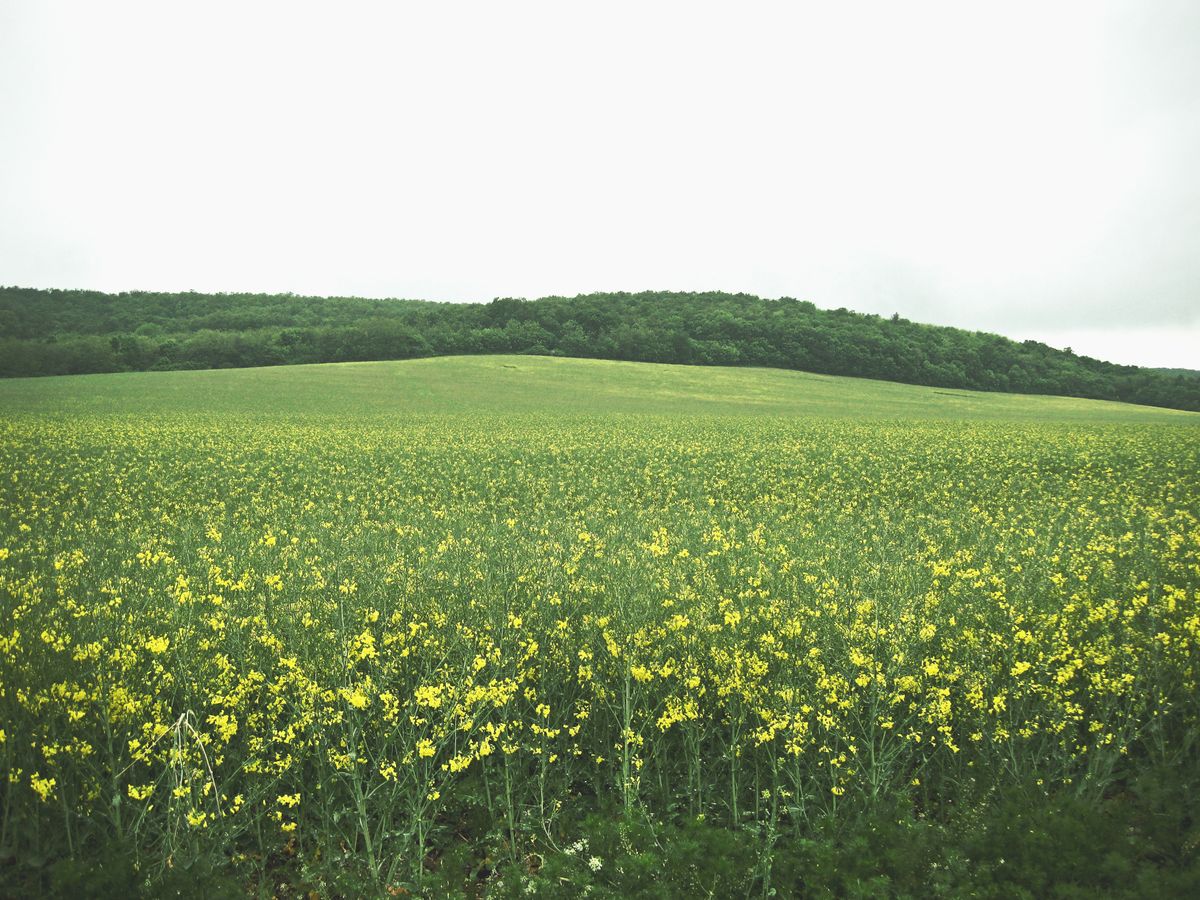
The southern coast beaches are sandier and warmer (relatively) than anywhere else in Sweden. Water temperature in July is around 18°C, which is cold but swimmable if you grew up in cold water or are willing to be cold-shocked for 30 seconds and then adjust.
When to Visit South Sweden
Summer (June-August)
This is the obvious season. Warmest temperatures (18-22°C), longest daylight, everything is open. Crowded by Swedish standards (which means it's peaceful by European standards). Food markets are in full operation. This is when you come for the agriculture, the food, the wine experiences.
Late Summer/Early Autumn (August-September)
This is actually better. The Kivik Apple Market is late August. The temperature is still warm enough for beach walking. The crowds drop significantly. The light is golden. If you can time it for late August into September, you get all of summer's advantages with autumn's light and fewer people.
Winter (November-February)
Mild by Swedish standards. Malmö rarely gets snow. Days are short (8 hours of light in December) but it's not the polar darkness of the north. If you want to experience Sweden winter but aren't ready for the extreme, South Sweden is reasonable. Food scene is still excellent. Wine experiences continue. The region gets moody and atmospheric in a way summer doesn't.
Ystad: The Town That Became a Character
Ystad is 55 kilometres east of Malmö, which in normal tourism terms would make it a day trip. In practice, it's worth two nights, and not primarily because of its most famous cultural export. The Wallander television series — filmed here and set here — has created a particular kind of tourism, people who want to see the police station, the walk to the harbour, the streets where fictional crimes occurred. That tourism is real and harmless and the town benefits from it.
But Ystad is also a medieval market town with a largely intact historic core, a functioning harbour with ferry connections to Poland and Bornholm, a genuine local food scene that isn't built around the TV connection, and a beach (Ystad Sandskog, immediately east of the town centre) that's among the better ones in Skåne. The combination is unusual — a real working town with actual culture and an accessible beach — and it's underpriced relative to what it offers.
The half-timbered buildings in the old centre (Stortorget and the streets immediately around it) date from the 16th and 17th centuries and are genuinely well-preserved — not restoration-project preserved, but lived-in preserved. There are offices and flats above the shops. Ystad Kloster, the Franciscan monastery at the edge of the centre, is the oldest continually inhabited building in Sweden and runs guided tours through summer.
For food: Lottas Kök on Stortorget is the reliable choice — seasonal menu, good wine list, 200–350 SEK for mains. The harbour restaurants are fine for fish and chips in the sun but not the reason to visit. If you're there on a Saturday, the outdoor market on Stortorget runs until noon and has local produce including cheeses and early summer strawberries that are better than anything you'll buy in a supermarket.
Helsingborg and Kullaberg: The Northern Corner
Helsingborg is the northernmost significant city in Skåne, 20 minutes across the Øresund strait from Helsingør in Denmark, and it is routinely overlooked in favour of Malmö. This is understandable — Malmö is larger and more dramatic — but Helsingborg has something Malmö doesn't: the Kullaberg nature reserve, 10 kilometres to the northwest, and access to a stretch of coast that feels nothing like the flat agricultural landscape of the rest of the region.
Kullaberg is a peninsula of granite and forest jutting into the Kattegat sea. It has cliffs, sea caves, a lighthouse at the tip (Kullens Fyr, the strongest in Scandinavia), and hiking trails through beech forest and along the cliff edge with views back toward the Danish coast. The area is a nature reserve and also has Sweden's only permanent colony of grey seals — the seals haul out on rocks below the cliffs in the late afternoon, visible from the trails above with binoculars. It's not a zoo encounter; they're just there, on rocks, being seals. It's significantly better for that.
Getting to Kullaberg from Helsingborg takes 30 minutes by car. There's limited public transit (a bus runs from Höganäs on weekdays, not weekends). The nature reserve has a small café and parking at Mölle, a small harbour village on the south side of the peninsula. Hiking from Mölle to the lighthouse and back is approximately 12 kilometres, taking three to four hours at a comfortable pace. There's a modest entry fee for vehicles entering the reserve (60 SEK per car).
The Wine Route and Österlen Vineyards
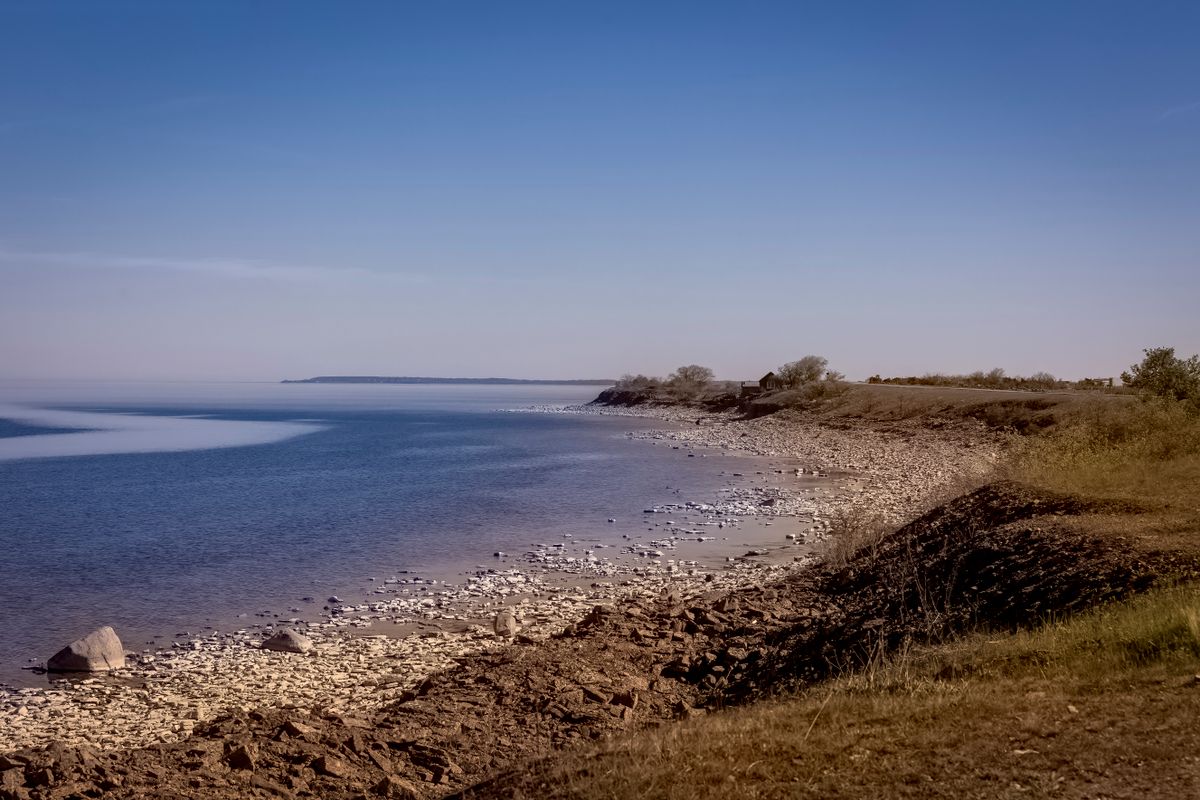
Swedish wine is one of those things that sounds like a category error until you try it. The Österlen district in southeastern Skåne is at roughly 55° north latitude — the same as northern England, warmer than most of Scotland — and has been producing commercial wine since the 1990s. The output is small (around 30 wineries), the yields are modest, and the bottles are not cheap. But the wine is real, and for a Coldcation visitor, the experience of tasting wine in a country you'd never associate with viticulture is specifically interesting.
The dominant varieties are those that ripen in cool, short summers: Solaris (a hybrid white), Rondo (a red hybrid), Regent and Pinot Noir in warmer vintages. The whites are the most consistent — clean, acidic, sometimes with a pronounced mineral quality from the limestone soil. The reds vary more with the vintage. The honest assessment: if you've come from France or Italy, the wines will seem expensive for what they are (250–400 SEK per bottle at the winery). If you've come from Sweden, they're roughly comparable to what you'd pay for a mid-range European import.
Most wineries operate a combination of cellar tours (150–200 SEK), tasting flights (100–200 SEK for four or five wines) and restaurant or café service using produce from the estate. Åhus Vineyard, Ärteholms Gård and Vingård Svansjö are among the better-regarded producers in the Österlen area. All three are within 30 minutes of Ystad and are easily combined into a half-day wine tour if you're based in that area. Hire a driver or use a taxi for the return — the distances are manageable and the alternative is not drinking the wine, which defeats the purpose.
Getting Around Skåne and Budget Reality
Skåne has excellent public transit by Swedish standards. The Pågatågen regional train network connects Malmö, Lund, Ystad, Helsingborg, Kristianstad and most significant towns on a frequent schedule. A day pass costs 195 SEK and covers all these connections. For Österlen specifically — the smaller villages, the wineries, the less-served coastal sections — a car is genuinely useful, but Skåne is the one region in Sweden where you can experience a significant portion without one.
The cost structure is slightly different from the rest of Sweden. Malmö is cheaper than Stockholm; Österlen and the coastal towns are priced for a domestic market that doesn't view them as luxury destinations. A mid-range restaurant meal (main course, glass of wine, coffee) costs 300–450 SEK in Malmö, 250–380 SEK in Ystad or Simrishamn. Hotel accommodation runs 900–1,400 SEK in Malmö for a decent option, 700–1,100 SEK in the smaller towns. A cottage in Österlen for two costs 800–1,400 SEK per night.
The practical approach for a week in Skåne: two nights in Malmö (eat well, walk the city, take one day trip to Helsingborg and Kullaberg), then three nights in Ystad or the Österlen coast (use the train east from Malmö), with day excursions to Simrishamn, the vineyards, and the beaches. This covers the region's variety without requiring either a car or the loss of a base. It is also, by the standards of most European summer destinations, genuinely affordable.
Skåne at a Glance
Best season: May–September. Getting there: Malmö is 35 minutes by train from Copenhagen Airport, direct from Stockholm by train in 4.5 hours. Public transit: excellent by Swedish standards (Pågatågen regional trains). Budget: 800–1,400 SEK/day mid-range. Key experiences: Malmö food scene, Österlen wine country and farms, Kullaberg nature reserve, Ystad medieval town and beaches. Temperature: 15–22°C in summer — the warmest part of Sweden.
Common Mistakes
❌ Treating it as a Copenhagen overflow
If you're visiting Copenhagen anyway, yes, add Malmö. But don't visit Malmö just because it's on the way to Copenhagen. That's backwards. Malmö is the destination. Copenhagen is the option if you also want Denmark.
❌ Skipping Österlen
Most visitors stay in Malmö. The food and agriculture culture is in Österlen, 30-45 minutes south. Rent a car for 2-3 days, base yourself in a small village, eat from the farms. This is what makes South Sweden different from other regions.
❌ Not booking restaurant tables in advance
The good restaurants are small. They fill up, especially dinner service. Make reservations before you arrive, or plan to eat at 5:30pm or after 9pm when locals aren't dining.
❌ Visiting in the wrong season for what you want
Summer for beaches and farmers markets. Late summer/early autumn for the light and food without crowds. Winter only if you specifically want the experience. Don't go mid-autumn (September mid-month to October) unless you enjoy rain and 8-10°C temperatures.
Why South Sweden Matters for a Coldcation
The whole Coldcation argument is that 18°C is better than 28°C. South Sweden proves it. It's the warmest you get in Sweden without sacrificing the core benefits — clean air, accessible nature, the ability to move without planning around crowds or heat. And it adds something the rest of Sweden doesn't: a sophisticated food culture that makes the trip about something other than views and activities.
You come to South Sweden to eat. You come for the wine. You come for the markets. You come because the restaurants in Malmö are as good as anywhere in Scandinavia, the prices are reasonable, and nobody is arguing about whether you should go to Stockholm instead.
South Sweden is the region that proves the Coldcation concept works across the entire country, not just in the dramatic north. It's accessible, it's comfortable, and it's genuinely excellent.
🗺️ Related Guides
Read about Swedish food culture to understand what you'll encounter. Or explore all Swedish regions to plan your itinerary.