Stockholm is built across fourteen islands where Lake Mälaren meets the Baltic Sea, and in summer that geography stops being a logistical fact and becomes the entire point. The water is everywhere — you can swim in it, sail across it, kayak through it, or simply sit beside it at a restaurant terrace while the evening sun stays high past ten o'clock. The temperature in July sits at around 22–25°C. The nights barely get dark. And the city, which for nine months of the year operates at a purposeful Nordic pace, opens up in June like a different version of itself.
This is Stockholm's secret: it is one of the finest summer cities in Europe, and most of the people who visit it go elsewhere when they book a summer holiday. This guide is for everyone who hasn't figured that out yet.
The Neighbourhoods: Where to Spend Your Time
Gamla Stan: The Medieval Island — My Favorite
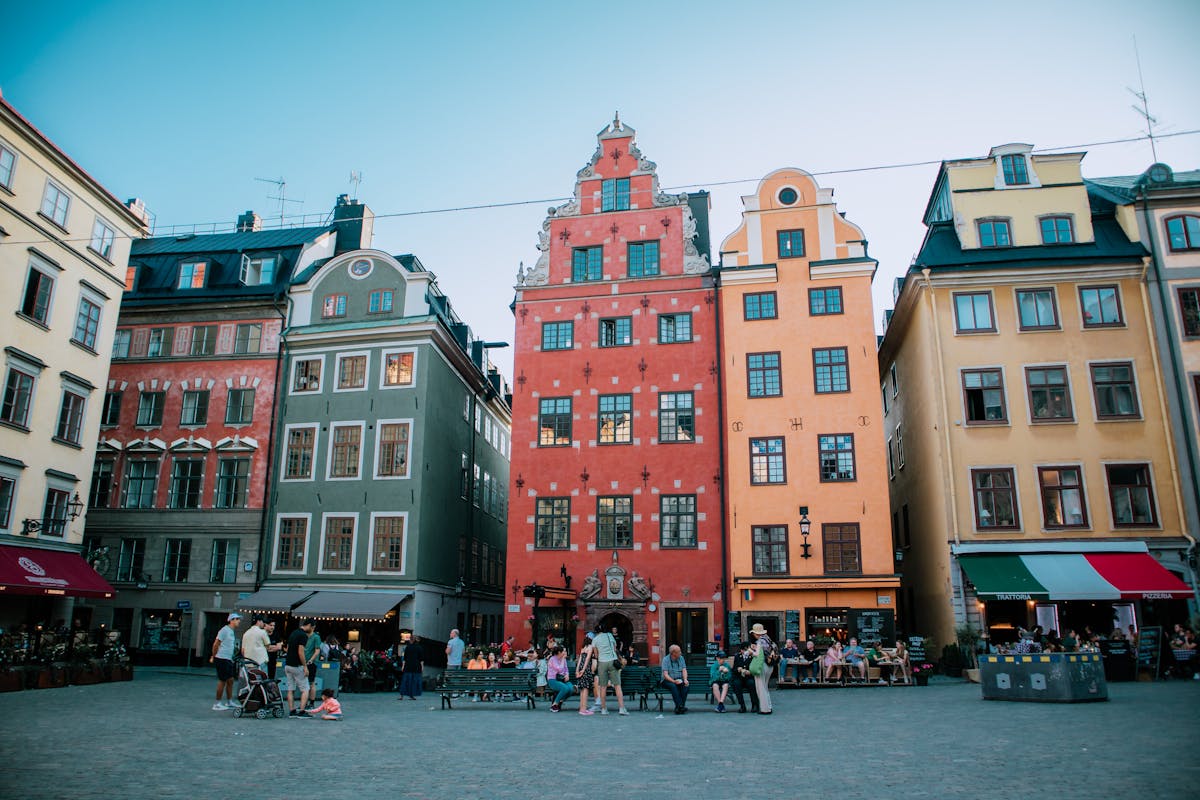
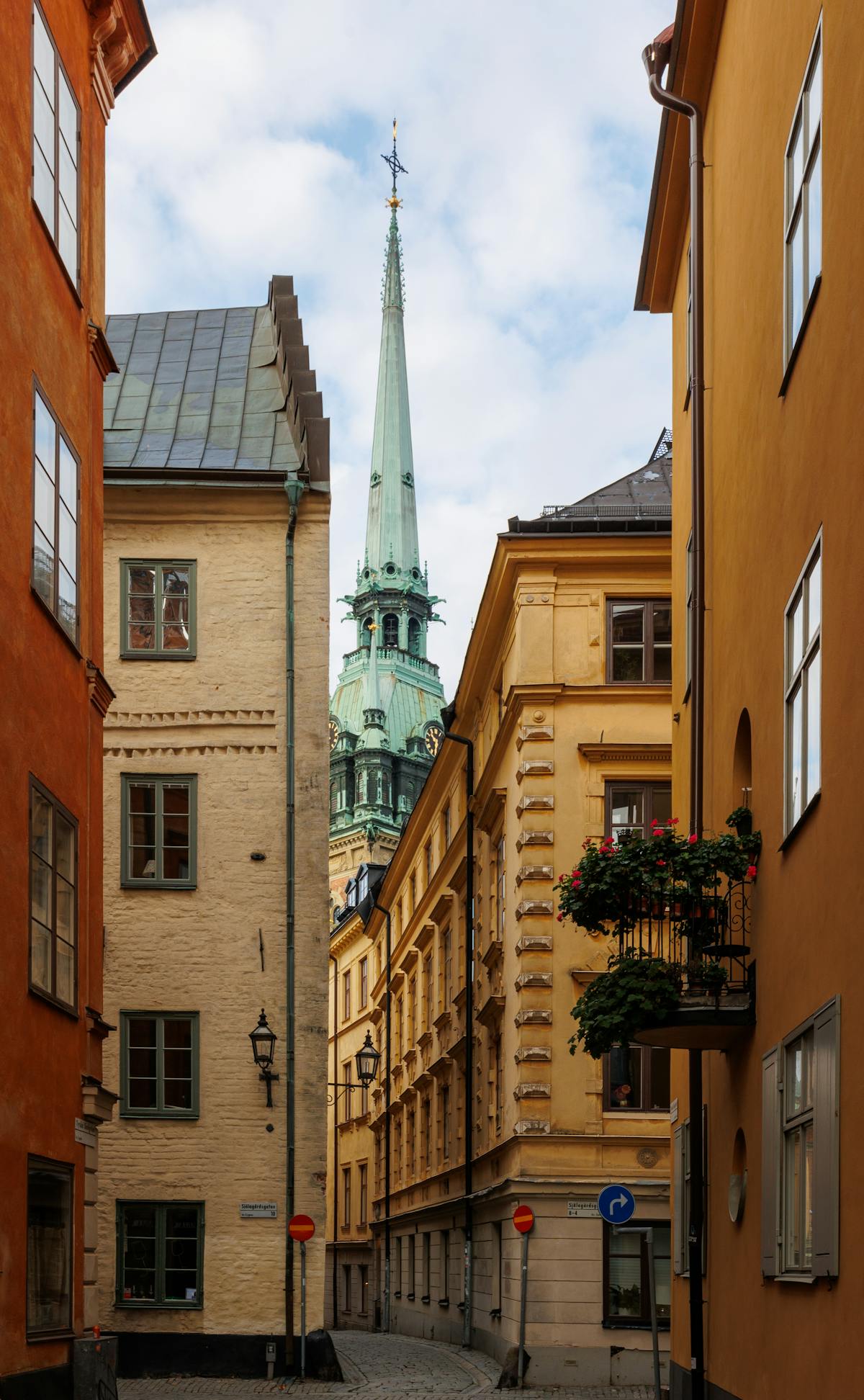
Gamla Stan — the Old Town — is Stockholm's most photographed neighbourhood and also its most misunderstood. The cobblestone alleys, the ochre and rust-coloured buildings, the Royal Palace looming above Stortorget: it all looks like a film set, and in high summer it briefly becomes one, crowded with tourists from late morning onwards. But here's what I've learned: the trick is timing, and Gamla Stan is genuinely my favorite part of Stockholm. Come in the early morning — before nine — and Gamla Stan is extraordinary: empty streets, low golden light, bakeries opening, the odd cyclist. This is when you understand why it's special. Come mid-afternoon and you'll be shuffling past other visitors. The neighbourhood rewards early risers, and a solitary 7am walk through those medieval streets is worth the early wake-up.
Södermalm: Where Stockholm Actually Lives
Södermalm is the island south of the old town, and it's where much of Stockholm's actual character lives. Götgatan is the main street, lined with independent shops, coffee places and restaurants that get better the further south you go. Hornstull, at the western tip, has a weekend market and several of the city's most popular waterside terrace bars. Monteliusvägen is a cliff-edge path with a view over the water to Gamla Stan that is one of the best free things in the city — arrive at sunset.
Djurgården: The Park Island
Djurgården is Stockholm's green lung: a royal park island fifteen minutes on foot or five minutes by ferry from the city centre. In summer it hosts the Vasa Museum (the best museum in the city), Skansen open-air museum, Junibacken, Gröna Lund amusement park and several good outdoor restaurants. It's also where Stockholmers come to run, cycle and swim — the bathing jetties along its southern shore are free and the water quality is excellent. Djurgården alone could fill a full day.
Östermalm and Norrmalm
Östermalm is Stockholm's wealthy residential district and the location of Östermalms Saluhall — a nineteenth-century food market with some of the best produce, fish and deli counters in the city. Worth a visit for the architecture alone. Norrmalm is the modern commercial centre, where the main train station and department stores sit. Less atmospheric than the other districts but useful.
What to Do in Stockholm in Summer
The Vasa Museum
The Vasa Museum contains a complete seventeenth-century warship that sank on its maiden voyage in 1628, was raised from Stockholm harbour in 1961, and is now on display in a purpose-built museum on Djurgården. It is one of the most extraordinary things you can see in any museum anywhere in the world — not because of the ship's grandeur (though it is grand) but because of the uncanny specificity of its survival. The ship is 98% original. The carved wooden figures are still there. The paint traces are still there. It sank in sixty-six metres of cold, low-salinity water that preserved everything. Budget at least two hours. Buy tickets online to avoid the queue.
Skansen Open-Air Museum
Skansen is a vast outdoor museum of historic Swedish buildings — farmhouses, workshops, churches — relocated from across the country and arranged on a hill in Djurgården. In summer it operates as a working living history site, with staff in period costume, animals in paddocks and demonstrations of traditional crafts. The view from the top over Stockholm and the water is worth the admission alone. Skansen also hosts the best Midsommar celebration in the city, open to the public and free.
Swimming in the City
One of Stockholm's best features is entirely free: the water is clean enough to swim in within the city limits. Långholmen, a park island in the middle of the city, has popular bathing rocks. Tantolunden on Södermalm has a grassy beach. Djurgårdsbrunnsviken, a bay on Djurgården, is calm and family-friendly. Smedsuddsbadet in Kungsholmen has a floating pontoon and draws a young, social crowd on warm afternoons. None of these cost anything. All are better than most hotel pools.
The Archipelago Day Trip — Essential Experience
If Gamla Stan is my favorite historic spot, the Stockholm archipelago is my favorite thing to actually DO there. Taking a ferry from Strömkajen into the Stockholm archipelago is genuinely one of the great summer experiences in Europe – and one that most visitors completely overlook. The public boat network (Waxholmsbolaget) connects the city to hundreds of islands, and the beauty of it is the simplicity: no planning, no car needed, just a ferry timetable. The most popular day trip is to Vaxholm — a historic fortress town forty minutes out — but for something more remote, take the longer trip to Sandhamn (three hours) or the quieter islands of Utö or Möja where you can actually feel like you've escaped. The contrast between leaving Stockholm's city streets at 10am and sitting on an island jetty at noon eating a picnic is remarkable. For a longer stay, Gotland is a two-hour ferry from Nynäshamn. You can eat at an island restaurant, swim off the rocks, and be back in Stockholm for dinner. According to locals I've spoken with, this archipelago experience is what makes Stockholm different from other Nordic cities – it's the access to genuine wilderness that's only 30 minutes from downtown.
Midsommar in Stockholm
If your Stockholm trip overlaps with the third Friday of June, everything else becomes secondary. Midsommar is Sweden's most important celebration and Stockholm takes it seriously. Skansen hosts the biggest public event, with maypole raising, traditional dancing and music from morning. Rålambshovsparken on Kungsholmen has a more local atmosphere — Stockholmers in flower crowns, picnics spreading across the grass, children doing the frog dance around a pole in the evening light. Our full Midsommar guide has everything you need to know.
The Fotografiska Museum
Fotografiska is Stockholm's photography museum, housed in a converted early twentieth-century customs building on the Södermalm waterfront. The permanent collection is strong but the temporary exhibitions — which change every few months — are consistently among the best contemporary photography shows in Europe. The café on the top floor has a panoramic view of the water that is worth a visit even without the exhibitions. Open late on weekends.
ABBA: The Museum
On Djurgården, next to Skansen. Interactive, well-made, and not at all just for ABBA fans — it's a genuinely good document of how a small country produced the most successful pop group in the world. The holograms are better than they should be. Worth an hour and a half.
Where to Eat in Stockholm
Fika and Coffee
Fika — the Swedish ritual of coffee and something sweet in the middle of the morning and afternoon — is obligatory. Stockholm has exceptional bakeries. Drop Coffee in Södermalm is the most serious specialty coffee operation in the city. Vete-Katten on Kungsgatan is a classic 1920s café that feels preserved in amber. Fabrique, a chain that is better than most independents elsewhere, has branches across the city with excellent sourdough and cardamom buns. The best fika in the city is arguably at Södermalm's various neighbourhood cafés on a Tuesday morning when the weekend crowd has gone.
Lunch
Stockholm has a lunch culture built around the dagens lunch — a fixed-price meal for around 110–130 SEK including a main course, salad, bread and sometimes coffee. It's the best-value meal in the city. Almost every non-tourist restaurant offers it weekdays. Östermalms Saluhall has excellent options at its various food counters. The Södermalm restaurants around Hornstull offer the most interesting and affordable lunch menus.
Dinner
Stockholm has a genuinely excellent restaurant scene, with the New Nordic influence visible at every price point. Oaxen Slip on Djurgården is an outstanding mid-range option in a beautiful boathouse setting. Ekstedt in Östermalm cooks everything over open fire and has a Michelin star. For something more casual, the food market at Hornstull has excellent options across multiple cuisines at reasonable prices. Book ahead for Saturday dinner anywhere except food markets — Stockholm restaurants fill up.
Getting Around
Stockholm's public transport is excellent. The metro (T-banen) covers the city, the tram lines cover Djurgården and the inner suburbs, and the ferry network extends to the archipelago. Buy a 24-hour or 72-hour SL access card rather than single tickets — it pays off within a few journeys. The city is also highly cyclable: the City Bikes scheme (Stockholm City Bikes) operates April to October and is cheap and practical for the inner city. Walking between Gamla Stan, Södermalm and Djurgården is entirely feasible in good weather.
When to Go
June
June is the best month. The days are longest — Stockholm gets around 18.5 hours of daylight at solstice — the temperature is warm but not oppressive, and the crowds haven't fully arrived yet. Midsommar falls in late June and is worth building a trip around if possible. Hotel prices are high but not peak-summer high. June is the recommendation for first-time visitors.
July
July is peak season. Warm, busy, expensive. Many Stockholmers leave the city in July — it's their vacation month — which gives parts of the city a slightly quieter, more relaxed feel in the residential areas, while tourist sights are at their most crowded. The archipelago is at its best. Book accommodation well ahead.
August
August is the underrated choice. Still warm. The crayfish season begins in August and the kräftskiva parties start. Crowds thin slightly after the first week. Hotel prices drop towards the end of the month. The evenings begin to lose some of their extreme length, which some visitors find makes sleeping easier. August is the local's recommendation.
Stockholm at a Glance
| Factor | Detail |
|---|---|
| Summer temperature | 18–25°C (July average 22°C) |
| Daylight hours (June) | Up to 18.5 hours |
| Airport | Arlanda (ARN) — 40 min by Arlanda Express |
| Currency | Swedish Krona (SEK). Cards accepted everywhere. |
| Best area to stay | Södermalm or Östermalm for atmosphere |
| Archipelago ferry | From Strömkajen, central city |
| Vasa Museum | Book online; allow 2 hours |
| Swimming | Free, at Långholmen, Smedsuddsbadet, Tantolunden |
Day Trips from Stockholm
Sigtuna
Sweden's oldest town, 45 minutes north of Stockholm by train and bus. A single cobblestone main street, medieval church ruins and a quiet that feels unlike anything in the capital. Good for half a day. The lake waterfront is particularly pleasant in summer.
Uppsala
Sweden's fourth-largest city, 40 minutes from Stockholm Central by train, and home to Scandinavia's oldest university (1477). The cathedral is the largest in Scandinavia. Gamla Uppsala, a short bus ride further, has burial mounds from the Viking Age that are peculiarly moving. Day trip by direct train, no planning required.
The Archipelago (Vaxholm, Sandhamn, Utö)
Already covered above, but worth repeating: a day trip into the archipelago is one of the best things you can do in Sweden. From Strömkajen, ferries run all day. Take a picnic. Swim off the rocks. Return at sunset with pink light on the water. Stockholm will look even better from the ferry coming back.
Mistakes Tourists Make in Stockholm
❌ Spending too much time in Gamla Stan — it's beautiful but overpriced and crowded midday. See it early, move on.
❌ Not taking the archipelago ferry — it is the single most memorable thing you can do and requires no planning beyond checking the Waxholmsbolaget timetable.
❌ Paying tourist-trap prices in Gamla Stan restaurants — walk to Södermalm for better food at half the price.
❌ Staying in the suburbs — Stockholm's inner islands are not large. A central hotel costs more but the walkability pays for itself.
❌ Coming only in winter — Stockholm in December is beautiful, but summer Stockholm is a different city entirely. Both are worth visiting; if you've only done one, do the other.
Frequently Asked Questions: Stockholm
When is the best time to visit Stockholm?
June to August for warmth and long days. June is the best balance of light, temperature and pre-peak crowds. September is excellent for lower prices and crisp air.
How many days do you need in Stockholm?
Three to four days covers the main attractions well. Add one or two extra days for a full archipelago day trip and a slower pace through the neighbourhood cafés and markets.
Is Stockholm expensive?
Restaurant and hotel prices are comparable to London and Paris. But free attractions (swimming, parks, many museums) and the daily lunch dagens rätt (around £10–11) mean you can manage costs. Picnicking by the water is a legitimate local habit, not a budget compromise.
How do you get to the Stockholm archipelago from the city?
Ferries from Strömkajen in the centre. Waxholmsbolaget is the public operator. SL travel cards cover some routes; others need a separate ticket. No car required — ever.
Is Stockholm good for families?
Extremely. Djurgården alone — Vasa Museum, Skansen, Junibacken, Gröna Lund, island beaches — could fill two days for families. The city is compact, the transport is easy, and the archipelago is perfect for children.