Stockholm in summer is one of Europe's great city experiences that most people miss. Fourteen islands, 22°C, the Baltic archipelago beginning at the city's edge, Midsommar in the streets in June, crayfish parties in August, and daylight that refuses to end. This guide covers everything you need for a summer visit.
When to Go
The local verdict: Ask Stockholmers and many will say August — the crayfish parties are in full swing, the tourists thin out after the first week, and the city feels like it belongs to its residents again. But for sheer daylight and the most famous event (Midsommar), early June is hard to beat.
The Neighbourhoods
Stockholm is a city of islands, and each island has its own character. Understanding the geography before you arrive makes the city much easier to navigate — and helps you choose where to stay.
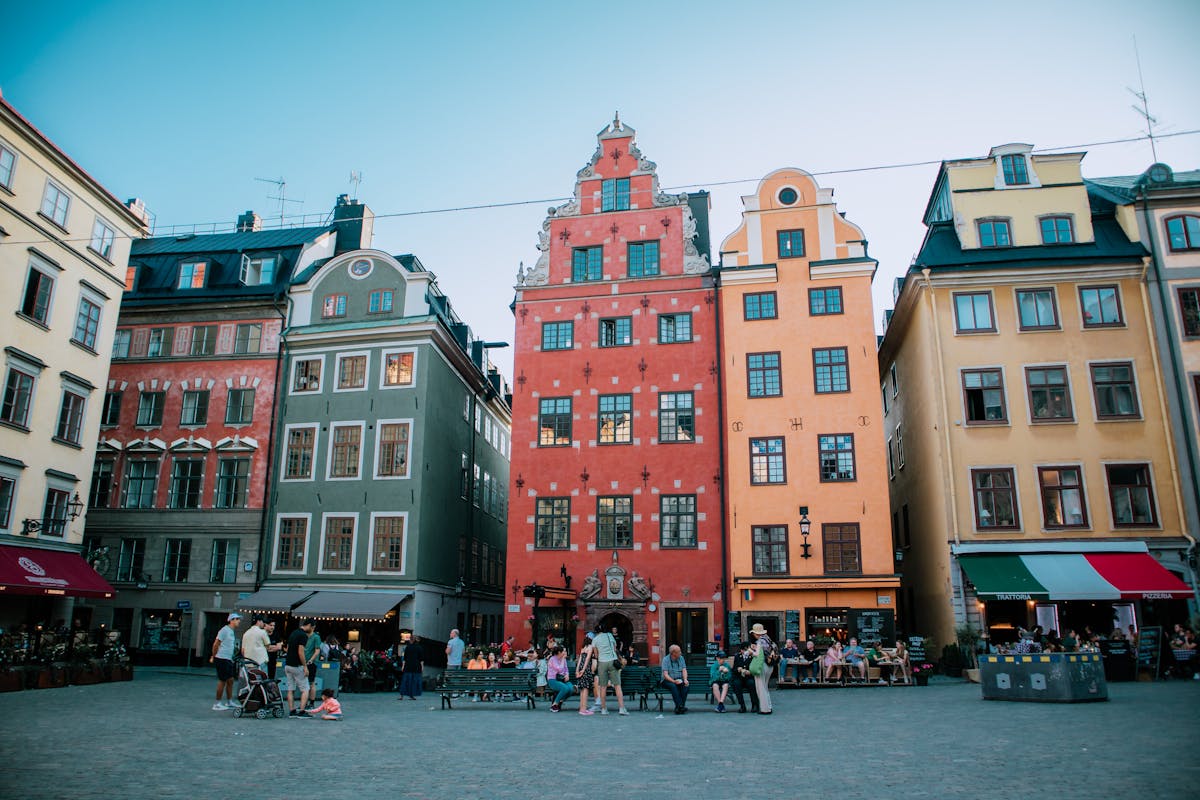
Medieval island with cobblestone alleys, the Royal Palace and Stortorget square. Stunning before 9am; crowded by 11. Stay here for atmosphere, visit in the early morning.
The island south of the old town — this is where Stockholm actually lives. Monteliusvägen cliff path has the best free view in the city. Best neighbourhood restaurants.
Royal park island 15 minutes on foot from the centre. Vasa Museum, Skansen, ABBA Museum, Gröna Lund and the best swimming jetties in central Stockholm.
Elegant residential district with the Östermalms Saluhall food market and Strandvägen boulevard — where the most beautiful boats in the city are moored all summer.
Home to the City Hall and Smedsuddsbadet, one of the most popular urban swimming spots. More authentic and less tourist-oriented than the central islands.
Stockholm's main commercial district — Central Station, Hötorget market, department stores. Practical but not where you spend your days. Good for transit and shopping.
Top Things to Do
🏛 Vasa Museum
A complete 17th-century warship that sank on its maiden voyage in 1628, raised from Stockholm harbour in 1961 and now displayed in a purpose-built museum on Djurgården. It is 98% original — including the carved wooden figures, the paint traces and the personal possessions of the crew who went down with it. One of the most extraordinary things in any museum anywhere. Budget two hours; book online to skip the queue.
🎭 Skansen Open-Air Museum
The world's oldest open-air museum occupies a hillside on Djurgården with historic buildings relocated from across Sweden — farmhouses, workshops, a church, a town quarter. In summer it operates as a living history site with staff in period costume, traditional craft demonstrations and animals in paddocks. The Midsommar celebration here (open to the public, free entry with museum ticket) is the best in the city.
⛵ Archipelago Day Trip
Taking a ferry from Strömkajen into the Stockholm archipelago is the single most memorable thing you can do on a summer visit. Waxholmsbolaget ferries depart throughout the day and connect the city to hundreds of islands. Vaxholm (40 minutes) is the closest and most popular. Sandhamn (3 hours) is where the sailing set summers. Utö and Möja are quieter, wilder choices. Take a picnic, swim off the rocks, return at sunset. No car, no planning beyond checking the timetable.
🌸 Midsommar
The third Friday of June. Sweden's most important celebration — more so than Christmas in many households. Skansen hosts the largest public event with maypole raising and dancing. Rålambshovsparken in Kungsholmen is the local choice, with Stockholmers in flower crowns and picnics spreading across the grass. Read the full guide: Midsommar: How to Celebrate Like a Swede.
📸 Fotografiska Museum
Stockholm's photography museum in a converted customs building on the Södermalm waterfront. The temporary exhibitions change every few months and are consistently among the best contemporary photography shows in Europe. The top-floor café has a panoramic view of the water. Open late on weekends.
🚴 Monteliusvägen Walk
A cliff-edge path in Södermalm running 500 metres above the water, with a continuous view over the waterway to Gamla Stan and Riddarholmen. Completely free. Arrive at sunset for the best light — golden hour hits the old town façades directly. One of the finest free experiences in any European city.
Swimming in the City
Stockholm has some of the cleanest urban water in the world — clean enough to swim in from central city locations. All the spots below are free.
A park island in the middle of the city with bathing rocks, grass areas and summer café. Very popular — arrive by 10am for a good spot in July.
Kungsholmen. Popular with young locals for its floating platform and social atmosphere. Often has food trucks nearby in summer.
Small sandy beach on Södermalm with grassy hill behind. Casual, local atmosphere. Good afternoon sun.
Sheltered bay on Djurgården's inner side. Calm and shallow — good for children and less confident swimmers.
The Archipelago: Day Trips

The Stockholm archipelago has 27,000 islands, skerries and rocks, stretching 80 kilometres east of the city into the Baltic. The ferry network connects them all. Here are the best options by journey time:
Practical notes: All ferries depart from Strömkajen, central Stockholm. Book Waxholmsbolaget tickets online or at the quay. SL travel cards cover some routes in low season; summer tickets are separate. Take food for the outer islands — restaurants fill up fast in July. Return ferries run until evening but check the last boat time before you go.
3-Day Summer Itinerary
- 8:00Gamla Stan before the crowds — Stortorget, Köpmantorget, the alleyways while they're empty
- 9:30Breakfast at a Gamla Stan bakery — rye bread, butter, coffee
- 11:00Ferry or walk to Djurgården
- 11:30Vasa Museum — allow 2 hours, arrive before the tour groups
- 14:00Lunch at Djurgårdsbrunnsviken — waterside spot, swimming after
- 16:00Skansen open-air museum (half the park is enough for one visit)
- 19:30Walk or tram to Södermalm — dinner on Götgatan or Hornstull
- 21:30Monteliusvägen cliff path at sunset — best free view in the city
- 9:00Ferry from Strömkajen — enjoy the 40-minute trip through the inner islands
- 9:45Arrive Vaxholm — walk the old town and wooden streets
- 11:00Vaxholm Fortress — ferry across, explore the 17th-century battlements
- 13:00Lunch at the harbour — prawn baguette is the classic choice
- 14:00Swim off the rocks, rent a kayak, or take the next ferry further out
- 17:00Return ferry — golden light on the water coming back
- 19:00Back in Stockholm for dinner — Östermalm for something special
- 9:00Fika on Södermalm — Götgatan or Hornsgatan café of your choice
- 10:30Östermalms Saluhall food market — browse the fish counters and deli hall
- 12:00Lunch: dagens rätt (daily lunch deal, ~110–130 SEK including salad) at a local restaurant
- 14:00Fotografiska — allow 2 hours for current exhibitions
- 16:30Swim at Långholmen or Smedsuddsbadet
- 19:00Hornstull evening — food market, waterside terrace bars
- 21:00Night light walk along Strandvägen — the boats, the hotels, the late blue sky
Where to Stay
Best Neighbourhoods for Hotels
Södermalm is the recommended base — connected to everything, excellent restaurants, quieter than the centre but not remote. Hotels and guesthouses here tend to be smaller and better value than those on Norrmalm or Östermalm.
Gamla Stan is atmospheric but noisier at night and more expensive. Worth it for the experience if the budget allows — waking up there before the tourists arrive is genuinely special.
Östermalm is elegant, central and has some excellent mid-range and boutique hotels. Good base for Djurgården and the archipelago ferry.
Norrmalm (around Central Station) has the most chain hotels at the widest price range. Practical but not interesting.
Booking Advice
July in Stockholm is one of the tightest hotel markets in Scandinavia. Book three to four months ahead for peak July dates. June and August have more availability. Prices drop significantly after mid-August. Apartments via Airbnb often work better for longer stays and give a more authentic neighbourhood experience.
Food & Drink
Fika
The Swedish coffee-and-cake ritual is non-negotiable. Stockholm has exceptional bakeries. Drop Coffee in Södermalm is the most serious specialty coffee operation. Vete-Katten on Kungsgatan is a 1920s classic. Fabrique (small chain, better than most independents) does the finest cardamom buns.
Dagens lunch (The Daily Lunch Deal)
The best-value meal in Stockholm. Almost every non-tourist restaurant offers a weekday lunch for 110–130 SEK (~£8–10) including a main course, salad, bread and sometimes coffee. Look for dagens rätt signs. This is how Stockholmers eat at midday — join them.
Seafood
In August the kräftskiva (crayfish party) season begins — watch for restaurants and food halls offering crayfish platters. Prawns are excellent year-round at the archipelago island restaurants. Östermalms Saluhall has outstanding fish counters for self-catering.
Eating on a Budget
Picnic culture is legitimate and widely practiced. Stockholm's tap water is excellent (filter straight from the tap), the supermarkets (ICA, Coop, Lidl) stock excellent produce, and eating in Södermalm parks or on the Djurgårdsbrunnsviken waterfront is how locals actually eat in summer. This is not a budget compromise — it's the authentic experience.
Practical Information
| Currency | Swedish Krona (SEK). Cards accepted everywhere — Sweden is nearly cashless. |
| Language | Swedish, but English is universally spoken. No language barrier whatsoever. |
| Airport | Arlanda (ARN) — 40 min by Arlanda Express train to Central Station. Book online for ~290 SEK. |
| Getting around | SL app + day/72hr travel card. Trams, metro and ferries all on one ticket. |
| City bikes | Stockholm City Bikes — cheap, practical, available April–October at docking stations. |
| Archipelago ferries | Waxholmsbolaget from Strömkajen. Check waxholmsbolaget.se for timetables. |
| Tipping | Not expected but rounding up is common. 10% at restaurants is generous and appreciated. |
| Best free things | Swimming, Monteliusvägen, Djurgården cycling, Skeppsholmen island walk, Strandvägen evening |
Getting from the Airport
The Arlanda Express is the fastest option (18 minutes, ~290 SEK each way, book online cheaper). The Flygbussarna coach takes 45 minutes and costs around 130 SEK — fine if you're not in a hurry. The commuter rail (Pendeltåg) takes about 40 minutes and costs less if you already have an SL travel card.
Frequently Asked Questions
When is the best time to visit Stockholm?
June for daylight and Midsommar; July for warmth and the archipelago at its best; August for fewer crowds, the crayfish season and lower prices. All three months are excellent. June is the recommendation for first-time visitors.
How many days do you need in Stockholm?
Three days covers the essential city sights well. Add a fourth day for an archipelago day trip — this is genuinely unmissable. Five days lets you move at a relaxed pace through all the neighbourhoods. Don't rush it.
Can you swim in Stockholm?
Yes — and it's one of the best things about the city in summer. Långholmen, Smedsuddsbadet, Tanto and Djurgårdsbrunnsviken are all free, central and perfectly clean. The water temperature reaches 20°C in July.
Is Stockholm expensive?
Restaurants and hotels are comparable to London and Paris. But free swimming, the day's lunch deal at ~£8, excellent tap water and picnic culture in the parks mean you can control costs. A day at Djurgården costs under £20 all-in if you swim free and bring a picnic.
Do you need a car in Stockholm?
No — not for the city or the archipelago. The public transport system is excellent. The archipelago ferries run from the city centre. A car would be a liability in central Stockholm and is not needed for any of the standard summer itinerary.