The Bohuslän coast runs 270 kilometres north from Gothenburg to the Norwegian border — granite islands, fishing harbours, clear water and the particular culture of a coast that has been living off the sea for a thousand years without ever quite deciding to become a tourist destination. Which is, of course, exactly why it's worth going.
Five days is the right length. Three days isn't enough to get past Gothenburg and feel the coast shift. A week starts to feel repetitive unless you're specifically there to sail or kayak. Five days means a day in the city, two days on the middle coast (Marstrand, Smögen, Fjällbacka), and two days on the far north and islands before returning south.
On renting a car
A car opens up the coast considerably — the smaller villages between the main stops (Kungshamn, Lysekil, Hamburgsund) are not well-served by buses. Gothenburg airport has all the major hire companies; Hertz and Enterprise are consistently competitive. Budget 550–750 SEK per day for a standard car with Nordic winter tyres (standard on all Swedish rentals). If you don't want to drive, Smögen and Marstrand are both reachable by bus from Gothenburg in under 2.5 hours, and the Koster Islands are reachable by ferry from Strömstad which is on the rail line.
Day 1 — Gothenburg: Arrival and City
Fly into Gothenburg, Haga, Feskekôrka, evening harbour
Gothenburg's Landvetter Airport is 25 minutes from the city centre by Flygbussarna bus (119 SEK). The airport bus stops at the central station and at several hotels in the centre.
The afternoon is for Haga — Gothenburg's oldest neighbourhood, a grid of low 18th-century wooden houses that somehow survived the redevelopment that cleared most of the city's equivalent districts. Haga Nygata is the main street: independent shops, good coffee, and Café Husaren's legendary kanelbullar — cinnamon buns the size of a dinner plate, 55 SEK, genuinely worth the queue. Walk north from Haga up to Skansen Kronan, the 17th-century fortress on the hill above, for the city panorama.
The Feskekôrka fish market is a 10-minute walk south — a covered fish market in a building that looks, intentionally, like a church. Open Tuesday to Saturday. Buy cured salmon, prawns, smoked mackerel; the prices are significantly lower than restaurant seafood and the quality is the same supply chain.
For dinner: Familjen on Aschebergsgatan is the benchmark for modern Gothenburg cooking — seasonal, Swedish, serious (250–350 SEK for mains). Alternatively, the string of restaurants along Vasagatan in the Vasastan neighbourhood covers every price point.
Day 2 — Marstrand: The Fortress Island
Drive to Koön ferry, Carlsten Fortress, granite swimming
Pick up the hire car in the morning and drive 60km north on the E6 to the Koön ferry terminal (follow signs to Marstrand). The crossing takes 2 minutes and runs continuously — no booking, free for foot passengers, 60 SEK for a car. Leave the car on the mainland; Marstrand is car-free.
Carlsten Fortress dominates the island from the central hill — built in 1658, with views across the Kattegat sea on one side and the Bohuslän coastline on the other. Admission: 80 SEK. The guided tour (included, runs several times daily in summer) walks you through the prison cells where Sweden's most notorious criminals were held until the 1870s, including the confidence trickster Lasse-Maja who spent 26 years here. Allow 90 minutes.
The swimming is off the flat rocks on the southern side of the island — sheltered from the Atlantic wind by the island's bulk, water temperature reaching 20–22°C in July. There are no facilities; bring a towel and find a flat rock.
Lunch at Brödernas on the main harbour — the fish soup is the reliable choice (185 SEK), served with bread and aioli. The harbour terrace fills by noon in peak summer; arrive before 12:30 or after 14:00.
Drive north in the afternoon. Night in Grebbestad or Lysekil — both have good accommodation options at 800–1,200 SEK per night for a hotel room, and Grebbestad has the better harbour restaurant scene.
Day 3 — Smögen and Fjällbacka
Prawn boats, boardwalk, Ingrid Bergman's village
Drive to Kungshamn and walk across the bridge to Smögen — a fishing village whose boardwalk (Smögenbryggan) has become the default image of the Swedish west coast. The boardwalk runs 600 metres along the inner harbour, lined with painted wooden houses and the boats that supply most of Sweden's commercial prawn catch.
The prawn boats arrive from their overnight runs at around 10am. Buy directly from the boats when they come in — 200–240 SEK per kilo for freshly cooked prawns, served in a paper bag. Take them to the end of the boardwalk, buy bread from the bakery (Smögens Bageri, 10 minutes' walk), and eat on the rocks above the water. This is the experience people come to Smögen for, and it's as good as described.
Drive 25 minutes north to Fjällbacka for the afternoon. The village sits below a dramatic cliff face and has been the summer home of Swedish artists and celebrities for a century — Ingrid Bergman spent every childhood summer here and is buried in the church. The main square (Ingrid Bergmans Torg, inevitably) is surrounded by intact 18th-century merchants' houses. The swimming rock below the square gets afternoon sun and is the best swimming spot on the middle coast.
Drive back to Grebbestad for the night. Dinner at the harbourside restaurant — the oysters are farmed locally and served raw with lemon at 180–240 SEK for a dozen.
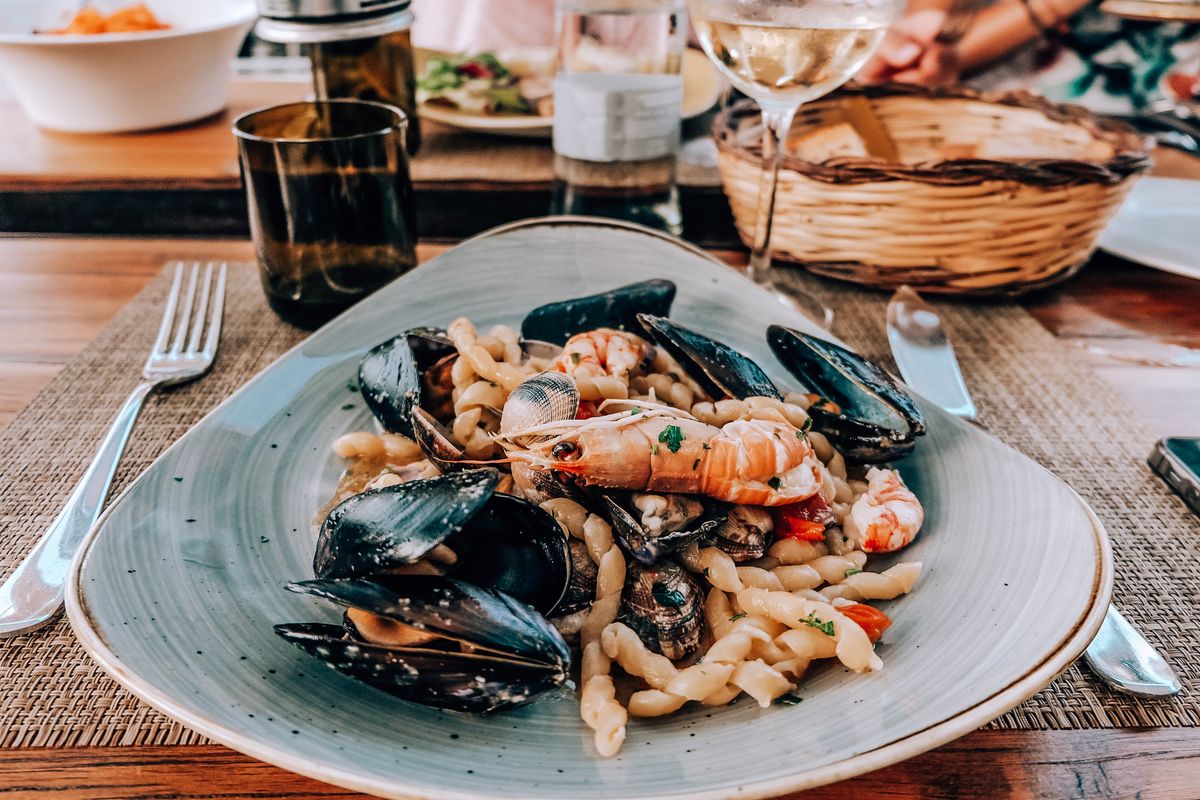
Day 4 — Kosteröarna: Sweden's Car-Free Islands
Drive to Strömstad, ferry to Sydkoster, bicycle the island
Drive 75km north to Strömstad — the northernmost town on the Swedish coast before Norway. The ferry to Sydkoster departs from Strömstad harbour; the crossing takes 35 minutes and costs 130–165 SEK return. The first morning ferry in summer departs at 7:30; a later option at 9:30 is more comfortable.
The Koster Islands — Nordkoster and Sydkoster — are the only car-free inhabited islands in Sweden. Sydkoster is the larger, with a village, a hotel, a restaurant and about 350 permanent residents. Bicycle hire from the quay (150 SEK/day) is the right way to cover the island — it's 9km long and almost entirely flat. The eastern shore has the best swimming: long beaches of fine sand rather than the granite of the middle coast, with the Kosterfjord (which has some of the clearest water in Sweden — it receives cold Atlantic deep water through a trench from the Norwegian coast) at 17–19°C in July.
The Kosters Trädgårdar (the island's kitchen garden restaurant) serves lunch using produce grown on the island — book ahead in July (the dining room is small). The alternative is the ferry terminal café, which does good fish and chips.
Return ferry to Strömstad by 16:30. Drive south toward Gothenburg — the Kungälv area, 15km north of the city, has good budget hotels at 700–900 SEK if you don't want to pay Gothenburg prices for the final night.
Day 5 — Return to Gothenburg and Departure
Gothenburg, Slottsskogen, afternoon flight
Return to Gothenburg and return the hire car. If time allows before the flight: Slottsskogen park in the west of the city is Stockholm-large but less visited — free-range animals (moose, seals, penguins in the outdoor zoo section), good walking, the city's best view from Guldhedsberget. Otherwise: the Liseberg amusement park for families, the Universeum science museum for a rainy morning, or simply the Haga neighbourhood again for coffee and the return trip.
Flygbussarna to Landvetter: every 30 minutes from Nils Ericson Terminalen near the central station, 119 SEK. Allow 45 minutes to the airport, plus standard check-in time.
The Bohuslän Coast Without a Car
Possible but more limited. The Västtrafik bus network covers Gothenburg to Smögen (2.5 hours, ~160 SEK) and Gothenburg to Marstrand via Koön ferry (2 hours, ~140 SEK plus ferry). For the Koster Islands, take the Gothenburg–Strömstad train (1.5 hours, ~240 SEK advance) and walk to the ferry terminal. The middle coast villages (Fjällbacka, Grebbestad, Lysekil) are harder without a car — you'd need to base yourself in Smögen or one town and day-trip, which works but limits range.
When to Go
The crayfish season opens in August and the west coast celebrates it with a particular enthusiasm — kräftskiva parties on the harbour, crayfish sold directly from boats, schnapps and lanterns. If the dates align, August is the best month for the cultural experience as well as the swimming. July is peak season for volume; June and late August are less crowded at the same temperatures.