This is the route that covers the full Swedish winter in seven days: the overnight train to Kiruna, three days in the aurora belt of Abisko and northern Lapland, one full day of dog sledding or snowmobile, two days skiing at Åre on the way back, and a final Stockholm night before the flight home. It is not a slow itinerary — each day has a purpose — but nothing in it requires rushing.
The route works best arriving on a Friday and leaving the following Friday, giving a full week that uses both weekends sensibly. It costs more than the summer route — the Northern Lights experiences and Icehotel admission are not cheap — but the cost is transparent and there is very little waste in the budget.
Book these well in advance
The Abisko Aurora Sky Station fills weeks ahead in December–February — book this first, before anything else. The Icehotel's ice rooms sell out for peak dates (Christmas, New Year, February sportlov week) months ahead. The overnight train Stockholm–Kiruna private cabins book out fast in winter. Book in this order: Aurora Sky Station → Icehotel (if staying overnight) → overnight train → Åre accommodation → everything else.
Day 1 (Friday) — Arrive Stockholm
Stockholm arrival, city evening
Fly into Arlanda — the Arlanda Express to Stockholm Central takes 20 minutes (299 SEK). Stockholm in winter has a particular quality: low light, frosted air, the city illuminated in the late afternoon from around 2:30pm onward. This is not a problem; the early dark just shifts the day's rhythm.
Check in and walk Gamla Stan in the afternoon light. The Christmas market on Stortorget runs from late November through December — one of the oldest and most intact traditional Christmas markets in Scandinavia. January and February, the square is quiet and cold and considerably more photogenic without the market crowds.
Dinner in Östermalm or Södermalm. Sleep well: tomorrow night you'll be on the overnight train, and you want to be rested enough to stay up and watch the landscape pass in the dark as you cross into the Arctic.
Day 2 (Saturday) — Stockholm to Kiruna: The Overnight Train
Day in Stockholm, board 17:45 train north
One day in Stockholm — use it for the Vasa Museum (195 SEK, the only preserved 17th-century warship in the world, and genuinely impressive in a way the description doesn't convey), or the ABBA Museum if that's relevant to someone in your group (250 SEK). The afternoon: Djurgården island on foot, the canal views from Strandvägen, a final coffee in Östermalm's food hall.
Board the SJ overnight train from Stockholm Central at 17:45. It arrives in Kiruna at approximately 09:30 the following morning — nearly 16 hours, covering the full length of Sweden through the night. Book a private cabin (2-berth or 4-berth) rather than an open couchette: the supplement costs 600–1,100 SEK per person above the base fare, and the difference in sleep quality is significant. The train passes through Jokkmokk and across the Arctic Circle overnight. If you wake around 3am and look out the window, you'll be in darkness above 66°N.
Base fare Stockholm–Kiruna: from 450 SEK advance. Private cabin supplement: 600–900 SEK per person. Book through SJ's website or app.
Day 3 (Sunday) — Kiruna and the Icehotel
Arrive Kiruna, Jukkasjärvi, first aurora hunt
The train arrives Kiruna at 09:30. The Icehotel is 18km east in Jukkasjärvi village — the hotel runs a shuttle from Kiruna station (check the current schedule when booking; taxis also run for around 300 SEK one-way).
The Icehotel day visit (195 SEK) lets you walk through the ice rooms and galleries without sleeping there. The sculpted rooms change every year — each room is designed and built by a different artist, and the results range from beautiful to extraordinary. The temperature inside the ice structure is maintained at −5°C regardless of the temperature outside, which makes it paradoxically comfortable on the coldest days.
The overnight ice room experience (from 3,500 SEK per person) means sleeping in a sleeping bag rated to −30°C on a bed made of compressed snow. The experience is exactly as unusual as it sounds and is worth doing once. The warm rooms at the adjacent hotel are available from the same price point without the novelty. Book the ice room at least 8 weeks ahead for any winter date.
Evening: return to Kiruna (cheaper accommodation base than Jukkasjärvi). Aurora hunting begins. At Kiruna's latitude, the Northern Lights are visible on any clear night with a Kp index above 2. Download the SpaceWeatherLive app before you travel — it gives 24–48 hour KP forecasts and alerts. Walk 10 minutes from the town centre to reduce light pollution. Temperature: −10°C to −25°C; dress accordingly.
Day 4 (Monday) — Abisko: The Aurora Capital
Bus to Abisko, Aurora Sky Station, snowshoe trail
Bus from Kiruna to Abisko Tourist Station takes around 1.5 hours and costs approximately 130 SEK. Abisko sits in a unique microclimate: the surrounding mountains create a rain shadow that gives the area significantly more clear nights than anywhere else at this latitude — around 13,000 hours of clear sky per year. The Aurora Sky Station observation platform, accessible via chairlift (895 SEK return) and located at 900 metres above sea level, is the best aurora viewing structure in Europe.
Book the Sky Station in advance — it has limited capacity and fills weeks ahead in peak winter. The station opens at 21:00 and runs through to roughly 01:00, serving warming drinks and providing heated viewing shelters on the clearest nights. If the Kp index is above 3 and the sky is clear from Abisko, this is where you will see the Northern Lights at their most intense.
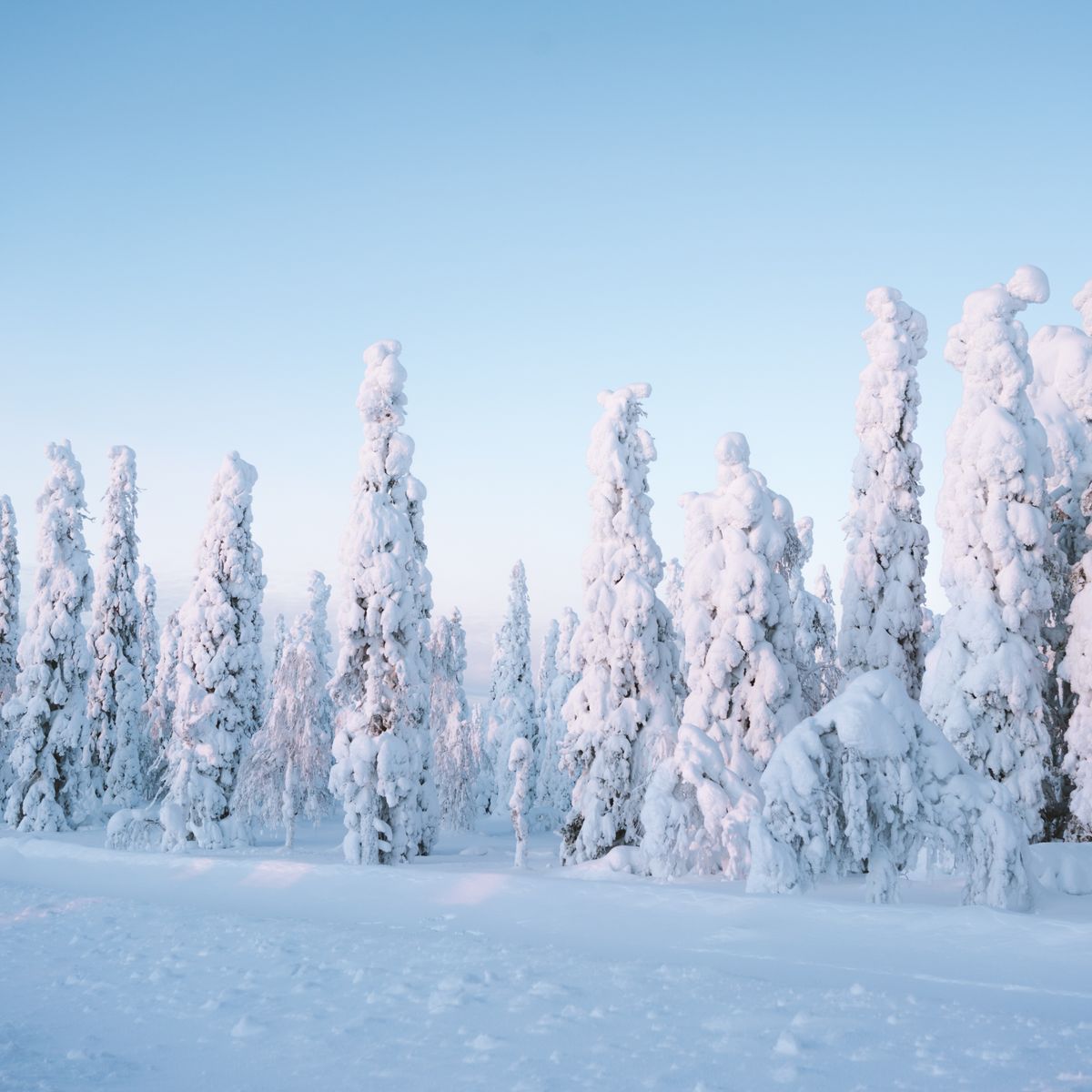
Daytime: snowshoe trail along the southern shore of Lake Torneträsk, which stretches 70km north into the mountains. Snowshoe hire from the tourist station (150 SEK). The lake is frozen from December through March and the walk across the ice toward the mountains is a particular experience — absolute silence, −15°C, the light arriving at the horizon at 10am and leaving by 2pm in December.
Day 5 (Tuesday) — Dog Sledding or Snowmobile
Full-day guided experience through Lapland wilderness
This is the day for the guided wilderness experience. Two main options:
Dog sledding (recommended). A full-day dog sled tour from Abisko or Kiruna runs 6–8 hours through birch forest and across the frozen lake. You drive your own sled (with instruction), following the guide through terrain that is entirely inaccessible in any other way. Lunch is a hot meal cooked over an open fire, usually reindeer stew. Cost: 2,500–3,500 SEK per person. Book with one of the established local operators — Abisko Aktiviteter or the Icehotel's dog sled programme are the most consistently well-reviewed.
Snowmobile safari. Faster, more mechanically thrilling, covers more ground. A full-day snowmobile tour to the Norwegian border and back costs 2,200–2,800 SEK. Requires a driving licence. The scenery — open fell, mountains, the border crossing at Riksgränsen — is exceptional. Less intimate than dog sledding but more spatially dramatic.
Both include thermal clothing, guides and lunch. Neither requires previous experience. Book at least 3–4 weeks ahead for peak winter dates.
Day 6 (Wednesday) — South to Åre: Skiing
Fly or train to Östersund, transfer to Åre, afternoon skiing
The most efficient return route from Lapland to Åre is by air: Amapola Flyg and SAS operate flights from Kiruna to Östersund (1h, from 700 SEK). Alternatively, the train from Kiruna to Östersund takes around 4.5 hours (from 300 SEK, one change at Ånge). From Östersund, Åre is 1 hour by train (from 120 SEK) — the same Inlandsbanan line that connects much of interior northern Sweden.
Arrive Åre by early afternoon — the ski slopes are still open until 16:00–17:00. Buy an afternoon pass (around 450–550 SEK) rather than a full day, collect hire equipment (hire shop at the base of the gondola), and get two to three hours on the mountain before dark. Åre at night in February has 10 hours of light; the afternoon skiing is in the best light of the day, the low sun turning the snow gold from around 14:30 onward.
Åre village for dinner — Broken does the pizza and the atmosphere of the après-ski, Bygget does the craft beer. If budget allows, dinner at the Grand Hôtel Åre's restaurant is a meaningful step up from the mountain-town usual.
Day 7 (Thursday) — Full Day Skiing at Åre, Return
Full day on the mountain, evening train to Stockholm
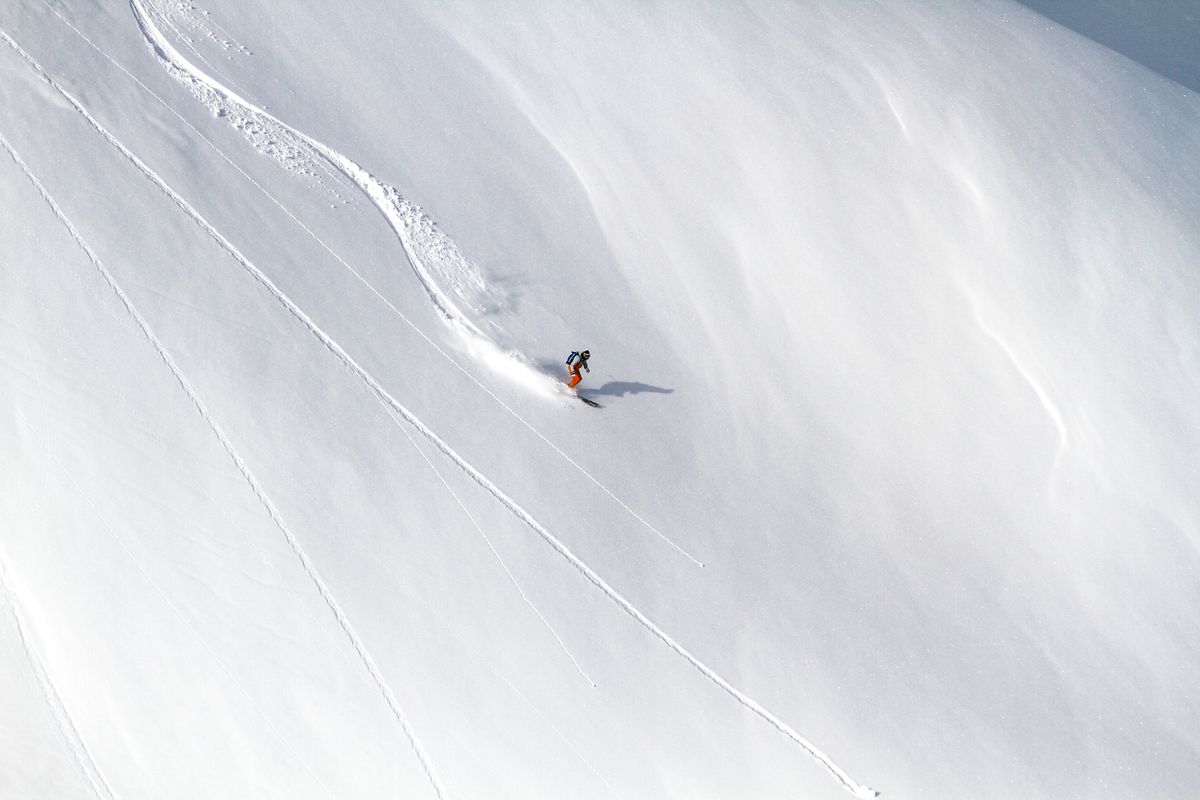
Full ski day at Åre. Day pass: 795–950 SEK. The mountain is best understood in three sectors: Åre By above the village (steeper, including genuine black-run terrain from the summit cable car), Åre Björnen (intermediate cruising, most varied skiing, best for groups at mixed ability levels), and Duved down the valley (quieter, easier, good for those wanting to consolidate technique without traffic). In February the mountain gets 9 hours of clear daylight and the light across the snowfields at midday is the particular blue-white of mountain winter at latitude.
Return equipment at 15:30. Catch the 16:40 or 17:50 train from Åre station to Stockholm (6.5 hours, arriving Stockholm 23:10 or 00:30 respectively — manageable for a late-night hotel check-in or early morning airport connection). Or: take the early morning train next day and add a final Stockholm night.
What It Costs
| Category | Estimated cost (SEK, 7 days) |
|---|---|
| Flights (return, European origin) | 1,500–3,000 |
| Overnight train Stockholm–Kiruna (with cabin) | 1,000–1,700 |
| Accommodation (6 nights) | 4,500–9,000 |
| Icehotel day visit + Aurora Sky Station | 1,090 |
| Dog sledding or snowmobile (1 day) | 2,500–3,500 |
| Åre ski passes + hire (1.5 days) | 2,000–2,500 |
| Food, local transport, miscellaneous | 3,500–5,000 |
| Total per person | 16,000–25,800 SEK (€1,400–2,280) |
The range is wide because accommodation choices dominate the variance. A hostel in Kiruna plus a basic guesthouse in Abisko is 600–900 SEK per person per night. The Icehotel ice room plus a SkiStar hotel in Åre is 3,500–5,000 SEK per person per night. The experiences in between — the train, the dog sled, the Sky Station — cost the same regardless.
Northern Lights: Managing Expectations
The Northern Lights are not guaranteed on any night. They require both solar activity (Kp ≥ 2 for basic visibility, Kp ≥ 4 for the dramatic displays seen in photographs) and a clear sky. Abisko's microclimate gives it more clear nights than anywhere else in Europe at this latitude, but clouds do arrive and they do cancel the show.
The three nights in Abisko and Kiruna give you three separate chances. Most visitors who spend three clear nights in Abisko between December and February see the Northern Lights at least once. Statistically, February is the best month — darker than December but with returning daylight, higher solar activity on average, and the coldest temperatures (which correlate with the clearest skies).
If you arrive and the first two nights are clouded over: the Aurora Sky Station staff check forecasts obsessively and will tell you honestly whether tonight is worth staying up for. Trust them.
What to Wear: Layering for Arctic Cold
Operators in Lapland provide outer thermal suits rated to −40°C, which means your personal clothing requirements are primarily the layers underneath. The system that works: a merino wool or synthetic base layer (avoid cotton — it retains moisture and loses warmth when wet), a mid-layer fleece or down jacket, and the operator's suit over the top. This covers the active portions of the day — the snowmobile ride, the aurora hunt, the dog sled tour.
For the intervals — walking between vehicles, standing outside after dark waiting for the aurora — add a balaclava (most operators provide this), warm gloves rated to at least −20°C (liner gloves plus outer mitts), and wool socks in boots rated to −30°C or colder. Many operators loan the boots as part of the experience; confirm this when booking rather than buying before you arrive.
At Åre, standard ski rental from the base lodge includes boots. The on-piste temperature in February is typically −5°C to −15°C, significantly warmer than Lapland — ski jacket, thermals and the base layers described above are adequate. The drop in severity between Lapland and Åre is meaningful: Åre is a cold but normal ski resort, not an Arctic expedition.
Frequently Asked Questions
Is the overnight train comfortable?
In a private 2-berth cabin, yes. The cabins are small — two fold-down bunks, a fold-out table, a small window — but they have a fold-out sink, bedding is provided, and the rhythm of the train and the darkness outside the window once you are above Jokkmokk is genuinely pleasant. The shared restaurant car serves dinner and breakfast at reasonable prices. In an open couchette (6-berth), comfort depends on your travelling companions. Book private whenever available.
What if the Northern Lights don't appear?
This is the right question to ask before booking rather than after arriving. The Northern Lights require two conditions simultaneously: solar activity above Kp 2, and a clear sky. Abisko's microclimate maximises the second condition. The first is determined by the sun's activity cycle, which is not predictable more than 72 hours ahead. Three nights in Abisko in February gives you three chances. The historical probability of seeing some aurora activity over three clear February nights in Abisko is high — typically above 80% — but it is never a guarantee. If this is a deal-breaker, consider travel insurance that covers "natural phenomenon not occurring."
Is this itinerary suitable for first-time Arctic travellers?
Yes. All activities include instruction and guiding. Snowmobile rides are led by experienced operators with safety briefings. Dog sled tours are designed for participants with no prior experience. The Aurora Sky Station provides heated observation decks and professional guides who will explain what you're seeing. The only physical demands are tolerating cold (which is managed by equipment) and the stamina for full days of activity.
Can I do Lapland in December?
Yes, with the caveat that December has the least daylight — around 2–3 hours of usable light per day at Kiruna's latitude. Activities that rely on light (photography, fell routes, outdoor walks) are limited. The aurora is most accessible in December because of the long dark period. February has more daylight, colder temperatures on average (which correlates with clearer skies), and is widely considered the best overall month for the combination of aurora probability and activity range.