The Reality: What I've Learned Chasing the Aurora
You cannot book the Northern Lights. This is the first thing to understand, and after chasing them across multiple Swedish winters, it's the single most important lesson I've learned. You can book a flight to Kiruna, a room in Abisko, a Northern Lights safari with an experienced guide in a heated vehicle. You can download the apps, check the Kp-index obsessively, go to bed at eleven and set your alarm for 1am. And then the clouds roll in from Norway, and you see nothing. Or the solar activity is low that week. Or it's too warm and the sky has a haze that kills the contrast.
Or – and this is what makes the whole enterprise worthwhile – the sky performs. And when it performs, there is nothing remotely like it in human experience. This is why I keep coming back.
Here's something that changed in 2026: The Northern Lights are visible further south than they used to be. Historically, reliable aurora viewing required a trip to Swedish Lapland. But in recent years – and especially in 2026 – the northern lights have been visible as far south as Skåne on strong activity nights. This opens up possibilities for aurora hunting that didn't exist before. You no longer absolutely need to commit to the cold extremes of Kiruna or Abisko. Though I'll be honest: the most spectacular displays still happen in the far north.
I saw my first proper aurora on the fourth night of a five-night trip to Abisko. The first three nights had been overcast. On the fourth, the guide from our lodge knocked on cabin doors at 11:30pm. We piled into a minibus in minus eighteen degrees, drove fifteen minutes to a clearing on the shore of Lake Torneträsk, and stepped out into a sky that was doing things I had no category for.
Why Abisko is the Best Place in Sweden
Swedish Lapland has excellent aurora viewing across its entire extent, but Abisko has a specific advantage that makes it the most reliable spot in the country. The mountain topography around Lake Torneträsk creates a persistent microclimate – a "blue hole" of consistently clearer skies compared to the surrounding region. On nights when clouds cover Kiruna and the Norwegian coast, Abisko often stays open. According to aurora experts who study this phenomenon, "Abisko's clear-sky frequency is scientifically exceptional. The surrounding mountains funnel weather patterns in a way that creates a microclimate with some of the highest auroral visibility rates in the northern hemisphere."
The Aurora Sky Station takes this further. A cable car runs from the village up to a viewing platform at 900 metres altitude, above the cloud layer on most nights. When it works – when you're standing at nine hundred metres in clear air with the Northern Lights overhead – it is probably the best aurora viewing location in the world outside the Svalbard archipelago. Book the Sky Station separately; it operates on its own schedule dependent on conditions.
The STF Abisko Mountain Station is the main accommodation hub in the village, offering everything from hostel dormitories to private rooms. It's comfortable, unpretentious, run by the Swedish Tourist Association, and positioned extremely well for both the Sky Station cable car and the trail network around the lake. Book months ahead for any dates in January, February or March.
📱 The App That Actually Works
My Aurora Forecast (iOS/Android) combines the NOAA solar weather data with clear sky forecasts for your specific location. It shows a twenty-four hour probability rating and alerts you when conditions spike. Use it alongside the Space Weather Live website, which gives you the raw Kp-index and solar wind data in real time. A Kp of 3 or above gives good viewing from Abisko; a Kp of 5+ is spectacular.

The Other Lapland Towns
Kiruna, twenty minutes from Abisko by train or car, is the largest base for Lapland travel. It has a proper airport (daily flights from Stockholm Arlanda), more accommodation options at more price points, and the extraordinary ICEHOTEL in nearby Jukkasjärvi. Kiruna is also currently the site of one of the strangest urban planning operations in modern history: the entire city centre is being physically relocated two kilometres east to make way for the expanding LKAB iron ore mine beneath it. Watching a whole city move is its own kind of spectacle.
Gällivare, an hour south of Kiruna by train, is quieter and cheaper, with good aurora access and the starting point for several Kungsleden sections. Björkliden, a small ski resort between Abisko and Riksgränsen on the Norwegian border, has some of the best backcountry skiing in Scandinavia and outstanding aurora odds from its hillside cabins.

What to Do While Waiting for the Sky
The key logistical truth about aurora hunting is that you're going to spend most of your waking hours in the daytime, waiting for clear nights that may or may not arrive. The wise approach is to book a trip with enough daytime content that the holiday is excellent regardless of what the sky does.
Dog sledding is the obvious candidate. In and around Abisko and Kiruna there are a dozen reputable kennel operations offering everything from two-hour taster sessions to five-day expedition routes sleeping in wilderness cabins. The multi-day trips are transformative in a way that's difficult to describe: the relationship between musher and dogs, the silence of the boreal forest at minus twenty, the physical simplicity of the task. Book these as far in advance as you book accommodation.
Snowmobile tours, reindeer sled experiences with Sami guides, ice fishing on frozen lakes, and guided snowshoe hikes into the national park fill the days effectively. Most lodges and the Aurora Sky Station offer Northern Lights safaris that combine a heated vehicle, experienced guide, hot drinks and the strategic knowledge of local conditions that significantly improves your odds.
📷 Photographing the Aurora
Manual mode, wide-angle lens, ISO 1600–3200, aperture f/2.8 or as wide as your lens allows, shutter speed 5–15 seconds depending on aurora intensity. Put your camera on a tripod – there is no handheld solution at these shutter speeds. Turn off image stabilisation when using a tripod. Wear thin liner gloves inside big mitts so you can operate the controls without removing your hand protection. And take one shot just for yourself, not to post anywhere, and actually look at the thing you're standing under.
The Aurora Season and Honest Expectations
The aurora season in northern Sweden runs September through March – any time the sky is dark enough. The equinoxes in September and March are traditionally associated with elevated solar activity, though the science on this is contested. February and March offer the best combination of: reliable snow cover, improving daylight hours for daytime activities, manageable temperatures (minus ten to minus twenty rather than the minus thirty of January), and good aurora probability.
Plan for five nights minimum. On a five-night trip, statistically, you will see the aurora at least once if conditions are reasonable. On three nights, you might not. I know people who went for three nights, saw clouds every night, and have never gone back. I know others who went for a week, saw extraordinary shows on four separate nights, and have been back every winter since. The variability is real. Build in the buffer.
The aurora is not guaranteed. Nothing in nature is guaranteed. That's precisely the point. Something you can book and predict holds a different kind of value than something the planet decides to show you on its own schedule, when conditions align in ways no algorithm fully controls. The ones who come back year after year aren't chasing certainty. They're chasing the particular quality of a thing that cannot be produced on demand.
🧳 Read our full winter packing guide before travelling to Lapland.

How to Photograph the Northern Lights
Aurora photography rewards preparation more than luck. The camera settings are consistent: manual mode, ISO 1600–3200, aperture as wide as your lens allows (f/1.8 to f/2.8 is ideal), shutter speed 5–15 seconds. Shorter exposures freeze movement in the aurora and capture structure; longer ones give brighter images but blur the detail in fast-moving displays. Try both and see what the aurora is doing — on a slow, hazy display a 15-second exposure is fine; on a fast, dancing curtain a 5-second one gives sharper results.
The other requirement is darkness. Kiruna, Abisko and the smaller villages nearby offer genuinely dark skies on clear nights away from the town centre. Snowmobile tours run to remote lake positions specifically to escape the limited light pollution. A good aurora display from a dark sky position is a completely different experience from one viewed with a lamp post behind you.
A tripod is non-negotiable. Bring hand warmers for your batteries — cold kills them fast. The AuroraMax app and SpaceWeatherLive give reliable Kp-index forecasts; aim for Kp3 minimum and treat anything above Kp5 as exceptional.
The Sound of the Northern Lights
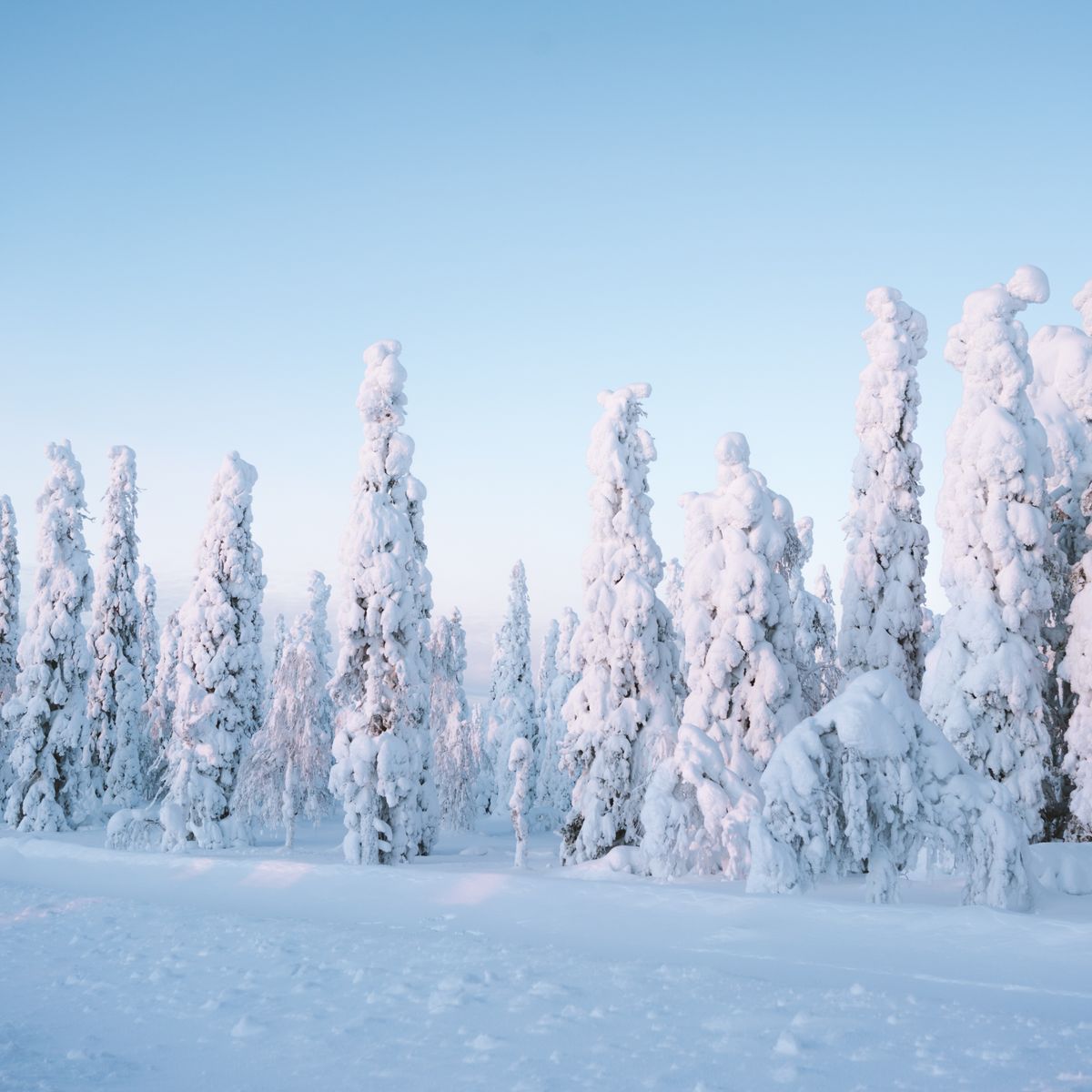
Finnish and Sámi oral tradition describes a sound associated with the aurora — a soft crackling or hissing. For most of recorded history this was treated as folklore. Finnish researchers at Aalto University confirmed in 2016 that the aurora does produce audible sounds: electrostatic discharges between air layers of different temperature, occurring about 70 metres above the ground. The sound is faint and requires very quiet conditions to hear. Most visitors do not hear it. But if you are standing in a forest in Lapland on a night of strong aurora, in complete silence, it is worth listening for.
Northern Lights Viewing: Honest Probability Guide
| Location | Best Months | Clear Sky Odds | Aurora Odds (clear night) | Practical Access |
|---|---|---|---|---|
| Abisko | Oct–Mar | High (microclimate) | Very high at Kp3+ | Overnight train from Stockholm |
| Kiruna | Nov–Mar | Good (less than Abisko) | High at Kp3+ | Flights from Stockholm 50 min |
| Jukkasjärvi | Nov–Mar | Good | High at Kp3+ | 20 min from Kiruna, ICEHOTEL |
| Gällivare/Jokkmokk | Oct–Mar | Medium | High at Kp3+ | Train or drive from Kiruna |
| Stockholm (rare) | Oct–Mar (strong events) | Variable | Rare (needs Kp5+) | Light pollution limits viewing |

Mistakes Tourists Make Aurora Hunting
❌ Booking a single night and expecting guaranteed aurora
The northern lights are a natural phenomenon driven by solar activity and clear skies (Sweden's weather by region) — neither of which is within anyone's control. A single night in Abisko might produce a spectacular display or nothing. Three nights gives you a statistically reasonable chance of at least one good event. Experienced aurora hunters book at least 4–5 nights. If you only have one night, manage your expectations and enjoy the landscape regardless.
❌ Looking at the sky from your hotel window
Light pollution, even from a small town like Kiruna, washes out fainter aurora. The best displays happen away from any artificial light. Drive or snowmobile 15 minutes from town to a dark area — a frozen lake, an open fell, a forest clearing. The Aurora Sky Station above Abisko (reached by chairlift) eliminates this problem with a purpose-built dark-sky viewing platform. The effort to leave the town is always rewarded.
❌ Not checking the forecast before going out
NOAA's 3-day aurora forecast (swpc.noaa.gov) and the SpaceWeatherLive app give Kp index predictions that tell you whether solar activity is high enough to produce visible aurora. A Kp of 3 or above at Abisko latitude is typically enough. Going out on a Kp 0 night in overcast conditions is a cold waste of time. Check the forecast, check the cloud cover (SMHI cloud app), and only make the effort when the odds are meaningful.
Frequently Asked Questions: Northern Lights in Sweden
Where is the best place to see the northern lights in Sweden?
Abisko, in Swedish Lapland, is consistently rated among the best aurora viewing locations in the world. A localised microclimate created by Lake Torneträsk results in significantly more clear nights than the surrounding region. The Aurora Sky Station above Abisko (reached by chairlift) operates on nights with aurora activity and offers unobstructed 360-degree views. Kiruna and the Torneträsk area are also excellent. Anywhere above the Arctic Circle in a dark location on a clear night is viable.
When is the best time to see the northern lights in Sweden?
September through March, when nights are long enough and dark enough. The aurora is present year-round but invisible in the midnight sun of summer. February and March combine good aurora activity with returning daylight — you can sleep, see daylight activities and still have 6–8 hours of darkness. Late September and October are excellent and underrated. The aurora cannot be guaranteed on any specific night — it is a natural phenomenon dependent on solar activity and cloud cover.
How can I predict when the northern lights will appear?
NOAA's Space Weather Prediction Center (swpc.noaa.gov) publishes aurora forecasts up to 3 days ahead. The Kp index measures geomagnetic activity — for Swedish Lapland, Kp 3 or above is typically enough for a visible aurora. Several apps (Aurora Forecast, SpaceWeatherLive) send alerts when activity increases. Local knowledge matters: your accommodation or guide will often have the best read on whether the sky will be clear that night.
What else can I do in Swedish Lapland besides aurora watching?
Dog sledding, snowmobile safaris, ice fishing, reindeer experiences with Sámi families, cross-country skiing and snowshoeing are all available throughout winter. The ICEHOTEL in Jukkasjärvi is 20 minutes from Kiruna. Kebnekaise, Sweden's highest mountain, is accessible for winter skiing and summer hiking. The combination of aurora viewing with dog sledding is the most popular Lapland itinerary and for good reason — both are extraordinary.
How much does an aurora trip to Swedish Lapland cost?
A week in Abisko or Kiruna — flights from Stockholm (around €100–200 return), accommodation (1,200–2,500 kr per night), food and one or two activities — runs approximately €1,200–2,000 per person. The ICEHOTEL adds significantly to costs. A budget approach — flights, STF hostel at Abisko Tourist Station (from around 700 kr per night), self-catered meals — can bring a week under €800. Book 3–4 months ahead for February and March.
→ Also see our Sámi culture and Jokkmokk guide.