The village of Jukkasjärvi is seventeen kilometres east of Kiruna, which is itself 145 kilometres above the Arctic Circle. In summer it's a quiet collection of wooden houses beside the Torne River. In winter, it becomes the site of something that has no real parallel anywhere in Europe: a hotel made entirely of ice and snow that is rebuilt from scratch every single year, then surrendered back to the river when spring comes.
The History
The ICEHOTEL opened in 1990. A Japanese art exhibition had been staged inside an igloo near the river, and visitors asked if they could sleep there. The staff gave them reindeer hides. They woke up fine. A concept was born. Thirty-five years later, the hotel draws guests from over sixty countries, and the ice rooms sell out within hours of going on sale each autumn.
I booked ten months in advance and still almost missed out. The room I got was called "Arctic Coral" – two metres of sculpted ice overhead, walls carved into shapes that suggested sea anemones and deep-water formations, lit from within by a pale blue-green glow. The artist who designed it was from Brazil. She'd never seen snow before her first ICEHOTEL commission.
Arriving and Getting Your Bearings
You fly into Kiruna – a small airport that feels like a ski lodge, serving Stockholm Arlanda daily via SAS and occasionally other routes. From Kiruna, the hotel runs transfers, or you rent a car (strongly recommended – Lapland rewards having wheels). The road to Jukkasjärvi runs through birch forest and over frozen marshland, and in February it's dark before 3pm.
Check-in happens in the warm building, not the ice structure. This is where you'll spend most of your daylight hours – eating, warming up, using the facilities. The ice hotel itself is kept at a constant minus five degrees Celsius. The surrounding air in February is typically minus twenty to minus twenty-five. Inside the ice building, that minus five feels almost cosy by comparison.
Before you're allowed to sleep in the ice rooms, staff run a forty-five minute briefing. They show you how the Arctic sleeping bag works (it zips around you completely; only your face is exposed), explain that your valuables and regular clothes live in a heated locker room, and answer the question everyone has: what happens if I need the toilet at 3am? You pull on the emergency overalls left in your room, shuffle to the warm facilities block about thirty metres away, and shuffle back. Most people do it once, find it manageable, and sleep straight through the rest of the night.
🧊 What to Wear to Bed
The hotel gives you a full briefing, but the consensus among experienced guests is: thermal base layer, wool socks, and nothing more. The sleeping bag does the rest. More layers make you sweat, which makes you colder. Trust the bag – it's rated to minus forty.
The Art Rooms
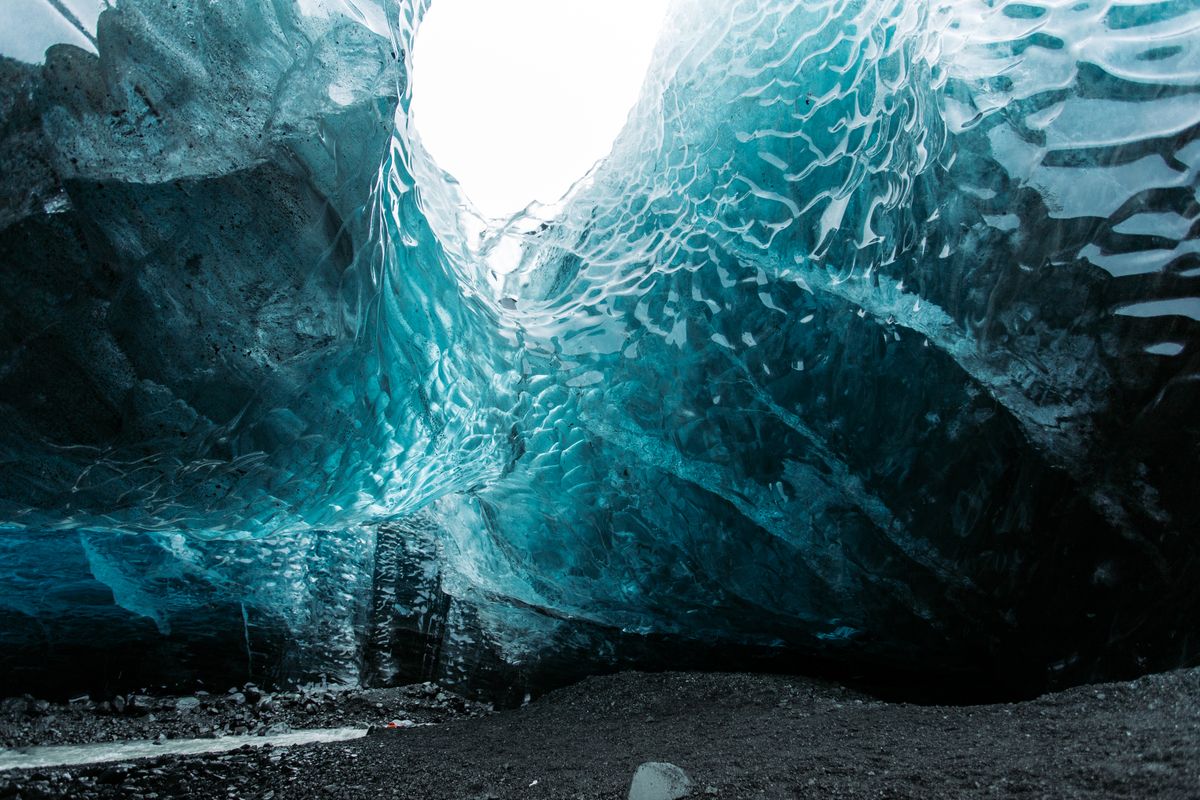
There are roughly twenty art suites and a further forty standard "cold rooms" (less ornate, lower price point) in a typical season. The art suites are the ones that make the Instagram posts that make you book the flight. They are, genuinely, extraordinary things.
Each suite is designed by a different artist selected through a competitive application process. The theme changes every year. Past themes have included Norse mythology, deep ocean life, celestial bodies, and abstract geometry. Artists arrive in November with a design and access to the ice harvested from the frozen Torne River – blocks so pure that when you hold a torch behind them, they glow like opaque blue glass.
Walking the corridors of the ice hotel after the other guests have gone to sleep – around midnight, with a headlamp, in near-silence – is the strangest and most memorable museum experience I've ever had. The scale is human but the material is alien. Your breath makes small clouds. The sculptures feel both impossibly delicate and weirdly permanent, even though you know they'll melt in four months.
The Sleep Itself
The silence inside an ice structure is unlike any silence you've experienced before. Sound doesn't just stop – it seems to have never existed at all. Ice absorbs sound the way almost no other building material does. I woke once in the night – not from cold, but from the sheer strangeness of the quiet – and lay there for a few minutes listening to absolutely nothing.
The cold becomes abstract quite quickly once you're inside the bag. You're aware of it on your face, and the tip of your nose if you're not careful, but the rest of you is warm. The reindeer hide beneath you provides insulation from the ice platform. Most guests report sleeping better than expected. I slept eight hours, which surprised me considerably.
Morning and the Sauna
At 8am, a member of staff brings a warm cup of lingonberry juice to your room. It arrives through a small door, placed inside the entrance, and the knock that announces it is the first sound you'll have heard in eight hours. You have about twenty minutes before breakfast service begins in the warm building.
The transition sequence – ice room to outdoor air to warm building to sauna to hot breakfast – is one of the most satisfying physical experiences I've ever had. The contrast is extreme in the best possible way. By the time you're eating scrambled eggs and reindeer sausage at a wooden table with a fire crackling nearby, the ice room already feels like something you dreamed.
📅 Year-Round Rooms
Since 2016, ICEHOTEL has also operated "ICEHOTEL 365" – permanent ice suites kept at minus five degrees by industrial refrigeration, available year-round. These are the only way to experience ice rooms in summer, which has its own surreal quality given the midnight sun outside. They're priced higher than the seasonal rooms but are available with more notice.
Beyond the Hotel
Jukkasjärvi is not just the ICEHOTEL. The village's eighteenth-century church is one of the oldest wooden churches in Lapland, and the altarpiece – a vivid painted work by the Sami artist Bror Hjort – is worth the visit alone. The Torne River, frozen solid in winter, is used for ice fishing, snowmobile routes and the ice-harvesting operation that supplies the hotel.
Kiruna itself, seventeen kilometres away, is a city in the middle of a genuinely extraordinary process: the entire urban centre is being moved, building by building, two kilometres east to make way for the expanding iron ore mine beneath it. The LKAB mine is one of the largest and deepest underground iron ore mines in the world, and the city's slow migration is a strange spectacle that has no real equivalent anywhere in Europe.
Dog sled tours, snowmobile expeditions, Northern Lights safaris and reindeer sleigh rides are all available from the hotel or from operators in Kiruna. Plan a minimum of three nights to do the area justice – ideally five if you want a real chance at the Northern Lights, which require both clear skies and solar activity that cannot be guaranteed.
Practical Details
Fly Kiruna (KRN) from Stockholm Arlanda – the route takes about ninety minutes and operates daily. The ICEHOTEL website opens bookings in September for the coming winter season; art suites sell out within days. Standard cold rooms last a week or two longer. The ICEHOTEL 365 rooms are available with normal notice. The hotel's own restaurant serves an excellent tasting menu focused on Lapland ingredients – reindeer, Arctic char, cloudberries – and the ice bar serves cocktails in glasses made of ice that you take as a souvenir. Budget for extras: the experiences stack up, and all of them are worth doing.
The Warm Rooms: A Different Kind of ICEHOTEL Night
The ICEHOTEL is not only cold rooms. The complex also contains warm timber cabins and hotel-standard rooms in the permanent building — and understanding the difference matters for booking. The ice art suites (−5°C inside, reindeer hides over the ice bed, a thermal sleeping bag) are the celebrated experience and worth doing once. But a two-night stay combining one ice night with one warm night gives you the full spectrum without losing circulation in your extremities for the entire trip.
The warm accommodation is genuinely good — well-designed, quiet, with underfloor heating and proper bathrooms. Breakfast is served in the main building and the sauna complex (with a plunge through the ice into the river in winter) is one of the best things on offer regardless of where you sleep. The ice bar serves cocktails in cups made of ice; this is less gimmick than it sounds — the cold suppresses sweetness and makes the aquavit-based drinks taste cleaner than they would in a glass.
What the Ice Artists Actually Do
Each year the ICEHOTEL issues a call for artists and architects to design individual art suites. Around 35 artists are selected from several hundred applicants worldwide; they arrive in November and spend three weeks carving their room from the ice before the hotel opens in December. The brief is simple: one room, approximately 16 square metres, carved entirely from ice and snow. What they do within that brief ranges from delicate bas-relief to full architectural sculpture — rooms that look like frozen forests, abstract geometric voids, or narrative tableaux.
The artists are not paid. They receive accommodation, materials and tools in exchange for the work. Many return multiple times. The best suites are booked within hours of the booking window opening; checking the artist line-up before you book is worthwhile if the design matters to you.
❄️ ICEHOTEL 365
Since 2016 the ICEHOTEL has operated a year-round version (ICEHOTEL 365) kept cold by solar-powered refrigeration. This means you can visit in July — which has a particular surreal quality: stepping from 20°C midnight-sun warmth into a −5°C room of sculpted ice. The summer art suites are a different selection from the winter ones and the experience of visiting in both seasons is genuinely different.
ICEHOTEL Room Types at a Glance
| Room Type | Temperature | Price (per person) | Best For |
|---|---|---|---|
| Ice Room | −5 to −8°C | 2,500–4,500 kr/night | The ice experience on a budget |
| Art Suite | −5 to −8°C | 5,000–9,000 kr/night | Unique artistic design; special occasion |
| Warm room | Normal hotel temp | 1,800–2,800 kr/night | Warmth base + ice bar/experience |
| Warm chalet | Normal | 2,200–3,500 kr/night | Families; more space |
Mistakes Visitors Make at the ICEHOTEL
❌ Booking for December expecting a complete hotel
The ICEHOTEL is built each autumn from ice harvested from the Torne River, and construction runs through November. In early December the hotel is partially complete — some art suites aren't finished, some sections are still being carved. February and March are when the hotel is fully realised and at its most spectacular. December has the deepest dark and the best aurora odds but a less complete product.
❌ Spending the whole stay in the hotel
The ICEHOTEL is a base, not the destination. Jukkasjärvi village has a beautifully preserved wooden church. The Torne River is extraordinary in winter — frozen solid, blue-white, completely silent. Dog sledding, snowmobile trips and aurora safaris are all better experienced from here than from any Kiruna hotel. The hotel's activity desk organises everything; use it. Don't stay indoors.
❌ Expecting the ice rooms to be impossibly cold
The rooms are kept at −5 to −8°C — cold enough to preserve the ice, not cold enough to be dangerous. The Arctic sleeping bag rated to −35°C, the reindeer skin mattress and the dry still air combine to make sleeping here surprisingly comfortable. Most guests sleep better than expected. The transition from the warm locker rooms (where you leave your normal clothes) into the ice corridor is the most challenging moment; the room itself is fine.
Frequently Asked Questions: The ICEHOTEL
How cold is it inside the ICEHOTEL?
The ice rooms and suites are kept at between −5°C and −8°C year-round. The hotel provides Arctic sleeping bags rated to −35°C, and you sleep in a cocoon of insulated bedding on a reindeer-skin mattress on a block of ice. Most guests sleep better than expected — the cold air is remarkably dry and still, and the sleeping bag does its job. The warm rooms (in a separate building) are available for those who want a warm base alongside an ice experience.
How much does the ICEHOTEL cost?
Ice rooms (the basic cold accommodation) run approximately 2,500–4,500 kr per person per night. Art Suites — uniquely designed rooms by invited artists — cost 5,000–9,000 kr per person per night. Warm rooms and chalets start at around 1,800 kr per person. Packages including activities (dog sledding, snowmobile, aurora safari) add significantly to the total. A couple spending two nights in a standard ice room with one activity each should budget around 15,000–20,000 kr total.
When is the best time to visit the ICEHOTEL?
February and March are ideal: the hotel is complete and at its most spectacular, daylight has returned to a useful length (5–8 hours near Kiruna), temperatures are cold but manageable, and the chance of northern lights is high. December is the most dramatic for atmosphere (polar night, deep cold, aurora) but limited daylight and the hotel is still being built. April brings longer days but the hotel begins to melt by late April — not ideal. The ICEHOTEL 365 is open year-round using refrigeration.
What activities can I do at the ICEHOTEL?
Dog sledding, snowmobile safaris, northern lights tours, ice sculpting classes, reindeer experiences, cross-country skiing and snowshoeing are all available through the hotel or local operators in nearby Kiruna and Jukkasjärvi. The ICEHOTEL bar — where drinks are served in glasses carved from ice — is an experience in itself. The village of Jukkasjärvi has a beautifully preserved wooden church that is worth visiting regardless of the season.
Is the ICEHOTEL worth the price?
For most people who go, yes — but it's worth understanding what you're paying for. The ice architecture is genuinely extraordinary; the art suites in particular represent serious artistic work by international artists. The experience of sleeping in a room made entirely of ice and snow is unlike anything else and produces the particular clarity of memory that comes from genuinely novel experiences. If budget is the primary concern, a single night in an ice room rather than multiple nights is a reasonable compromise. Sweden is an ideal choice if you are looking to escape the heat — for the full argument, read our Escape45 — the case for a cool-climate holiday.
→ Also see our Sámi culture and Jokkmokk guide.
→ Also see our Swedish sauna culture guide — the heat-cold ritual that defines Swedish wellness.