Every country has a region that functions as its own self-image — the place that produces its symbols, tells its stories, and holds the version of the national character that the country wants to remember. For Sweden, that place is Dalarna.
The brightly painted Dala horse, that squat wooden toy in red and gold that appears on everything from key rings to museum exhibitions, was made here. The most photographed Midsommar celebrations in Sweden — the ones with the enormous maypoles and the Leksand folk dancers in traditional dress that appear on every Visit Sweden poster — happen on the shores of Lake Siljan in Dalarna. The Falun red paint that defines Swedish rural architecture across the entire country comes from the copper mine at Falun, which operated for 600 uninterrupted years in Dalarna's capital.
This concentration of national symbolism can make Dalarna sound kitsch. It isn't. The symbols emerged from the landscape, not the tourist board. The red cottages really are red because of the Falun mine. The Dala horse really was carved by farmers in long winters. The Midsommar at Leksand has been continuous tradition for longer than most European countries have existed. What makes Dalarna extraordinary is that the symbols are still attached to the reality that produced them.
The Landscape: Forests, Lakes and the Plateau
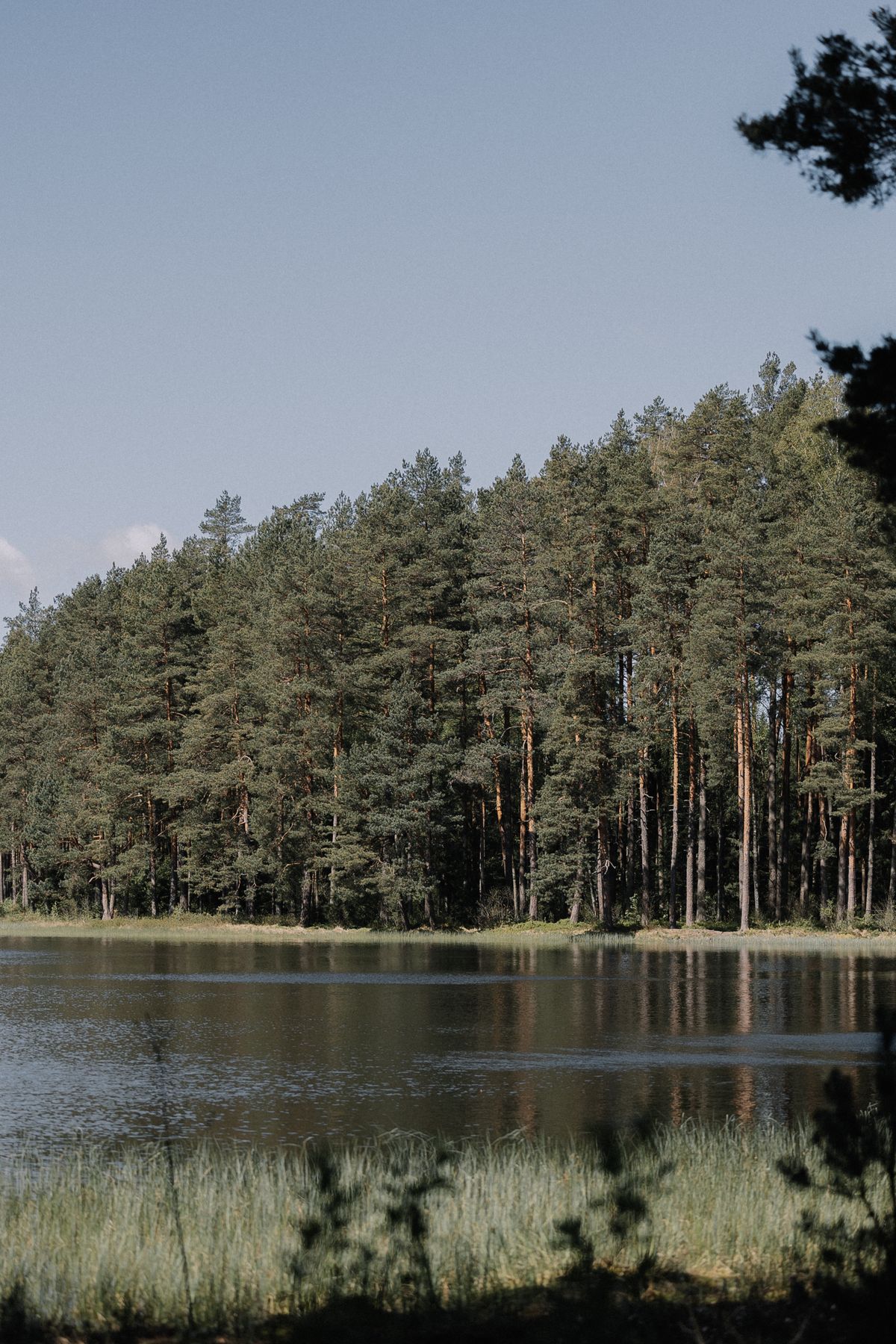
Dalarna covers roughly 28,000 square kilometres in central Sweden — about the size of Belgium. The landscape shifts from the agricultural lowlands in the east, through the great birch and pine forests of the central plateau, to the mountains along the Norwegian border in the west. Lake Siljan, a circular lake created by an ancient meteor impact, sits at the heart of the region and organises the towns, the traditions and the tourist routes.
The landscape is not dramatic in the Lapland sense. There are no Arctic fjells, no midnight sun, no Northern Lights in meaningful quantities. What Dalarna has instead is the particular quality of Swedish central-country scenery: the deep forest, the birch-fringed lakes, the red farmhouses appearing at intervals through the trees, the sense of a landscape that has been worked and known for centuries without being urbanised or industrialised beyond recognition.
Lake Siljan and Its Villages
Lake Siljan is 75 kilometres in circumference and forms the social and scenic heart of the region. Several distinct towns sit on its shores, each with its own character and each worth understanding separately before you decide where to base yourself.
Leksand
The most famous Midsommar location in Sweden. Large, well-serviced, with excellent lake swimming and a folk music tradition that goes back centuries. The Leksand Midsommar draws tens of thousands of visitors. The rest of the year it is a quiet town with good cycling and the striking Leksand church right on the water.
Rättvik
Smaller and more intimate than Leksand. The Rättvik Midsommar is considered by some to be more atmospheric. The long jetty that extends into Lake Siljan is one of the most photographed structures in Swedish summer. Rättvik also hosts Musik vid Siljan, one of Sweden's most important folk music festivals, in early July.
Mora
The northern Siljan town and the northern endpoint of the Vasaloppet ski race. Strong artistic tradition — the painter Anders Zorn was born here and his home, studio and collection form one of the best small museums in Sweden. The Mora knife, a high-quality fixed-blade knife, is made here and can be bought directly from the manufacturer.
Tällberg
The most well-preserved village on Lake Siljan — a hillside of traditional red wooden buildings above the lake, visible on every Dalarna postcard. Very small, dominated by hotels and a few restaurants. The view from the hillside over the lake in summer light is genuinely extraordinary. Worth a morning even if you're based elsewhere.
Midsommar in Dalarna: Why This Specifically
Sweden celebrates Midsommar everywhere, but Dalarna is where the celebration retains its original character most completely. The Leksand ceremony has been documented continuously since the 17th century. The maypole at Leksand is enormous — 20 metres tall, decorated with birch branches and flowers, raised by teams working in coordinated tradition. The folk dancing around it, performed by groups in regional costume whose cut and colour vary by village origin, is not performance for tourists. It is something that the same families have done on the same ground for generations.
The full experience is worth planning around. The Friday of Midsommar week, the pole-raising takes place in late afternoon. By evening, the celebrations have spread to every garden and lake shore — the food (pickled herring, new potatoes with dill, strawberries and cream), the snaps, the songs, the particular quality of a Swedish summer evening that refuses to go dark. Read our full Midsommar guide for the ritual details; Dalarna is specifically where to do it.
📅 Midsommar Practical Notes
Book accommodation in Leksand or Rättvik 3–4 months ahead for Midsommar — this is the busiest week of the year in Dalarna, and options fill fast. Arriving by train from Stockholm is practical and avoids parking difficulties. The Midsommar celebrations are free and public — simply arrive at the village green or lake shore by mid-afternoon on the Friday and follow the crowd.
The Dala Horse: A Craft With Deep Roots
The Dala horse — Dalahäst — is one of the most recognisable objects in Scandinavian craft. A squat, simplified wooden horse painted in bright colours on a white ground with traditional floral patterns in red, green, yellow and blue, it was originally made in the Nusnäs area near Mora as a toy and as a modest trade item at winter markets. By the mid-20th century it had become an internationally recognised symbol of Sweden.
The traditional form has remained essentially unchanged for two centuries. The wood is carved from soft pine in a specific regional style. The painting — called kurbits painting — follows traditional patterns that can indicate which workshop produced the horse. The two major producers, Grannas A Olsson and Nils Olsson Hemslöjd, both based in Nusnäs near Mora, still operate and can be visited. Watching the carving and painting process is fascinating: the forms are cut in precise sequences, the painting is freehand from memory, and the whole operation has not fundamentally changed since the 18th century.
The horses on sale in tourist shops in Stockholm are often not from Dalarna. The authentic ones — with the kurbits marking and the specific proportions of the traditional form — are worth buying directly from the Nusnäs workshops, where the price includes the knowledge of what you're looking at.
Falun and the Red Mine
Falun is the regional capital and home to the Falun copper mine — a UNESCO World Heritage Site and one of the most important industrial sites in European history. The mine operated continuously from the 10th century until 1992. At its peak in the 17th century it produced two-thirds of the world's copper supply and funded much of the Swedish empire's military expansion. The distinctive red-orange iron oxide waste product from copper smelting — falurött, Falun red — was distributed across Sweden as a cheap preservative paint for wooden structures, producing the colour palette that defines Swedish rural architecture.
The mine tour descends into the actual working levels — dramatically lit, vertiginously deep, with the landscape of ore extraction intact. Above ground, the Great Pit (the result of a catastrophic collapse in 1687) is one of the most strange and compelling industrial landscapes in Sweden: a vast crater of rusted red rock in the middle of a small city. The workers' village around the mine — Falun World Heritage* area — is preserved with its 17th and 18th-century buildings intact and painted, inevitably, in Falun red.
The Vasaloppet: When Dalarna Skis
On the first Sunday of March every year, 15,800 skiers start simultaneously in Sälen and ski 90 kilometres through the Dalarna forest to Mora. The Vasaloppet is the world's oldest and largest cross-country ski race, held since 1922. It commemorates the 1521 journey of Gustav Vasa, who skied (or according to some historians, walked) this route while fleeing Danish troops — and was overtaken by messengers who had decided to support his cause.
The race is not a spectator sport in the conventional sense — the skiers spread out over 90 kilometres of forest trail. But the start in Sälen and the finish in Mora are extraordinary: the start, with 15,000 people launching simultaneously, is one of the most dramatic things in Swedish sport. The finish in Mora, where skiers arrive over six to seven hours from first to last, is a sustained celebration. For those who ski, the Vasaloppet is a bucket-list Nordic event.
The Dalarna Wilderness: Bears and Fells
The western part of Dalarna — beyond the Siljan villages, up towards the Norwegian border — is genuine wilderness. The Fulufjället National Park, home to Sweden's highest verified waterfall (Njupeskär, 93 metres), has one of the largest brown bear populations in Sweden. The park has no road access to its interior — it is accessible only on foot — and the combination of ancient forest, high fell, waterfall and accessible trail system makes it one of the best national parks in central Sweden for a one- or two-day hike.
The Sälen ski resort, which hosts the Vasaloppet start and has Sweden's largest ski area (Lindvallen/Högfjället complex), is also in this western area. In summer, the same mountains become excellent hiking terrain — the ski lifts often run for mountain bikers and walkers, and the summit views extend across the Norwegian border. The Coldcation argument for Dalarna's mountains is simple: reliable snow in winter, wildflower-covered fells in summer, and none of the crowds that comparable Alpine terrain attracts.
Where to Stay: Cottages, Lakeside and Village Hotels
The stuga — the Swedish cottage — is the correct accommodation format for Dalarna. Spending a week in a lakeside cabin somewhere along the Siljan shore, with a wood-fired sauna, a dock into the water and a firepit for evenings, is the experience the region is actually designed for. Cottage rental costs 800–1,500 SEK per night for a two-person cabin; larger family stugor run 1,500–3,000 SEK. The best booking windows are January for summer stays and September for the following summer's peak weeks.
Rättvik and Leksand have the best selection of lakeside options. Mora is the practical base if you want a town centre with shops and restaurants within walking distance. Tällberg — a tiny village on the eastern shore of Siljan with dramatically positioned hotels built into the hillside above the water — is the choice if budget is secondary to atmosphere: the Siljansgården hotel and the Green Hotel both have extraordinary lake views and charge accordingly, from 1,500–3,000 SEK per room per night.
Camping and free pitching under Allemansrätten is also genuinely good in Dalarna. The lakeshores, the forested headlands between villages and the trails above the valley are all legally open to overnight camping. A good tent, a sleeping bag rated to 5°C or colder, and a camping stove make a week in Dalarna cost almost nothing beyond food.
Food in Dalarna: What to Eat and Where
The food culture in Dalarna is more distinctive than the region's reputation suggests. Locally: knäckebröd from the wood-fired bakeries around Leksand (Leksandsbrödet is the benchmark product — a crispbread made to a recipe unchanged since the 17th century, and the version from a local bakery bears almost no resemblance to the supermarket alternative); freshwater crayfish from the lakes in August, eaten at the traditional kräftskiva with schnapps and singing; lingonberries and cloudberries foraged in the forests from August onward; and venison, particularly elk, which appears on menus across the region in autumn and winter.
Specific recommendations that hold across seasons: Kaffestugan Sommaren in Tällberg for the kind of Swedish summer fika that becomes a two-hour sit rather than a coffee stop; Stiftsgården in Rättvik for dinner with lake views and a menu that takes local produce seriously (250–380 SEK for mains); and Moratandems hembageri in Mora for bread and pastries worth stopping for on a drive day.
The Dalarna Food Festival in early September is worth timing a visit around if the dates align — it brings producers, restaurants and foraging guides to the Siljan area for a week, and gives access to small producers who don't ordinarily sell to visitors.
When to Visit Dalarna
June (Midsommar): The single best time if you want the cultural experience at its peak. Book accommodation months ahead. The evenings are 20+ hours long, the lake swimming is cold but swimmable, the forests are at their most vivid green.
July–August: Peak summer. Warm, busy, excellent for lake swimming. The folk music festivals (Musik vid Siljan in early July, Falun Folkmusik in late July) add cultural depth to summer visits. Wild swimming in the lakes is at its best in late July.
September: The underrated choice. Autumn colour begins in the forests — Dalarna's birch forests in September are gold and amber, and the mosquitoes have gone. Mushroom foraging season is excellent. Accommodation is easy and cheaper. The landscape is arguably at its most beautiful.
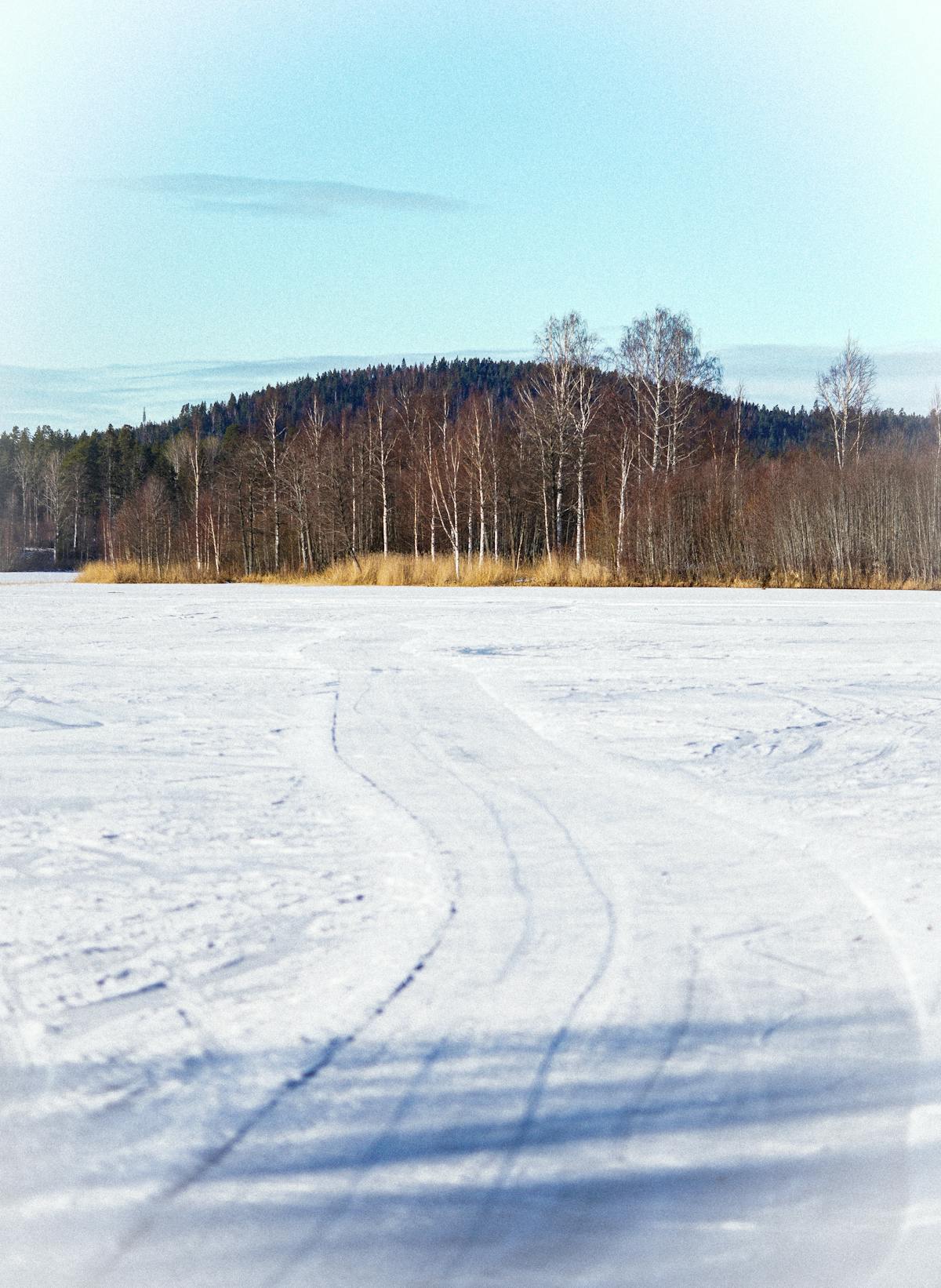
February–March: For skiing (Sälen, Idre Fjäll) and the Vasaloppet. Reliable snow, long days by March, quiet except around race weekend. The winter landscape is beautiful — the frozen lake, the snow-covered red cottages, the birch forest under a still grey sky.
🚂 Getting to Dalarna from Stockholm
Train from Stockholm Central to Falun or Borlänge takes 1.5–2 hours — one of Sweden's most useful regional rail connections. Car is also easy: the E16 from Stockholm takes about 2.5 hours to Falun. For Leksand or Rättvik, change trains at Borlänge or take the bus from Falun. For the western mountains (Sälen, Idre), a car is essentially necessary — public transport is infrequent.
→ Also see our Swedish sauna culture guide — the heat-cold ritual that defines Swedish wellness.
→ Also see our fishing in Sweden guide — salmon, pike, sea trout and ice fishing across the country.