There are around eight million indigenous people in Europe. Almost all of them are Sámi. This is not a historical footnote — it is a present reality. The Sámi have inhabited the Arctic and sub-Arctic regions of Scandinavia for at least ten thousand years, herded reindeer across the same seasonal migration routes for centuries, and maintained a relationship with the northern landscape that is unlike anything else on the continent.
Yet most visitors to Swedish Lapland — even those who spend a week in Kiruna, stay at the ICEHOTEL, go dog sledding and see the Northern Lights — leave without meaningfully engaging with Sámi culture. This is partly logistics, partly awareness, and partly the way the tourism industry has historically packaged Lapland as a winter activity resort rather than a living cultural landscape.
This guide is about changing that. Specifically, it is about Jokkmokk — a small town 200 kilometres north of the Arctic Circle that is the acknowledged cultural capital of Swedish Sámi life — and about how to experience Sámi culture in a way that is genuine, respectful and genuinely interesting.
Who the Sámi Are
The Sámi (also written Saami, formerly Lapp — a term now considered offensive) are the indigenous people of Sápmi, a territory that spans the northern parts of Norway, Sweden, Finland and the Kola Peninsula of Russia. In Sweden, there are estimated to be between 20,000 and 40,000 Sámi — the range reflects both identification complexities and the fact that Swedish authorities do not collect ethnicity data.
Sámi culture is not monolithic. There are several distinct Sámi groups — Southern Sámi (Sydsamerna), Lule Sámi (Lulesamer), Northern Sámi (Nordsamerna), and others — with different languages, different traditional practices and different histories. The reindeer herding that most visitors associate with Sámi culture is practiced by approximately 2,500 Swedish Sámi, organised into around 50 sameby (reindeer herding villages). These groups retain legal rights to herd reindeer across land that includes privately and state-owned territory — a right that has been the subject of significant legal battles over the past decades.
The Sámi relationship with the Swedish state has been complicated and, in many respects, damaging. Forced assimilation policies in the 19th and early 20th centuries — including boarding schools that banned Sámi languages — fractured cultural transmission. Land rights disputes continue. But Sámi culture has proven remarkably resilient: the languages are being revitalised, traditional crafts (collectively called duodji) are experiencing a renaissance, and Sámi political representation has grown through the Sámi Parliament (Sametinget), established in 1993.
Jokkmokk: The Cultural Capital
Jokkmokk sits on the Arctic Circle in Swedish Lapland, a town of around 5,000 people in a municipality about the size of Belgium. It has been the centre of Sámi life in the Lule Sámi area for centuries — the winter market that takes place here every February has been running, largely uninterrupted, since 1605.
The town itself is quiet for most of the year. A main street, a supermarket, a few hotels, the extraordinary Ájtte museum, a Sámi cultural centre, and the surrounding wilderness. In summer, Jokkmokk is a gateway to Padjelanta and Sarek national parks — two of the most remote and dramatic wilderness areas in Sweden. In February, for three days, it becomes one of the most extraordinary gatherings in Scandinavia.
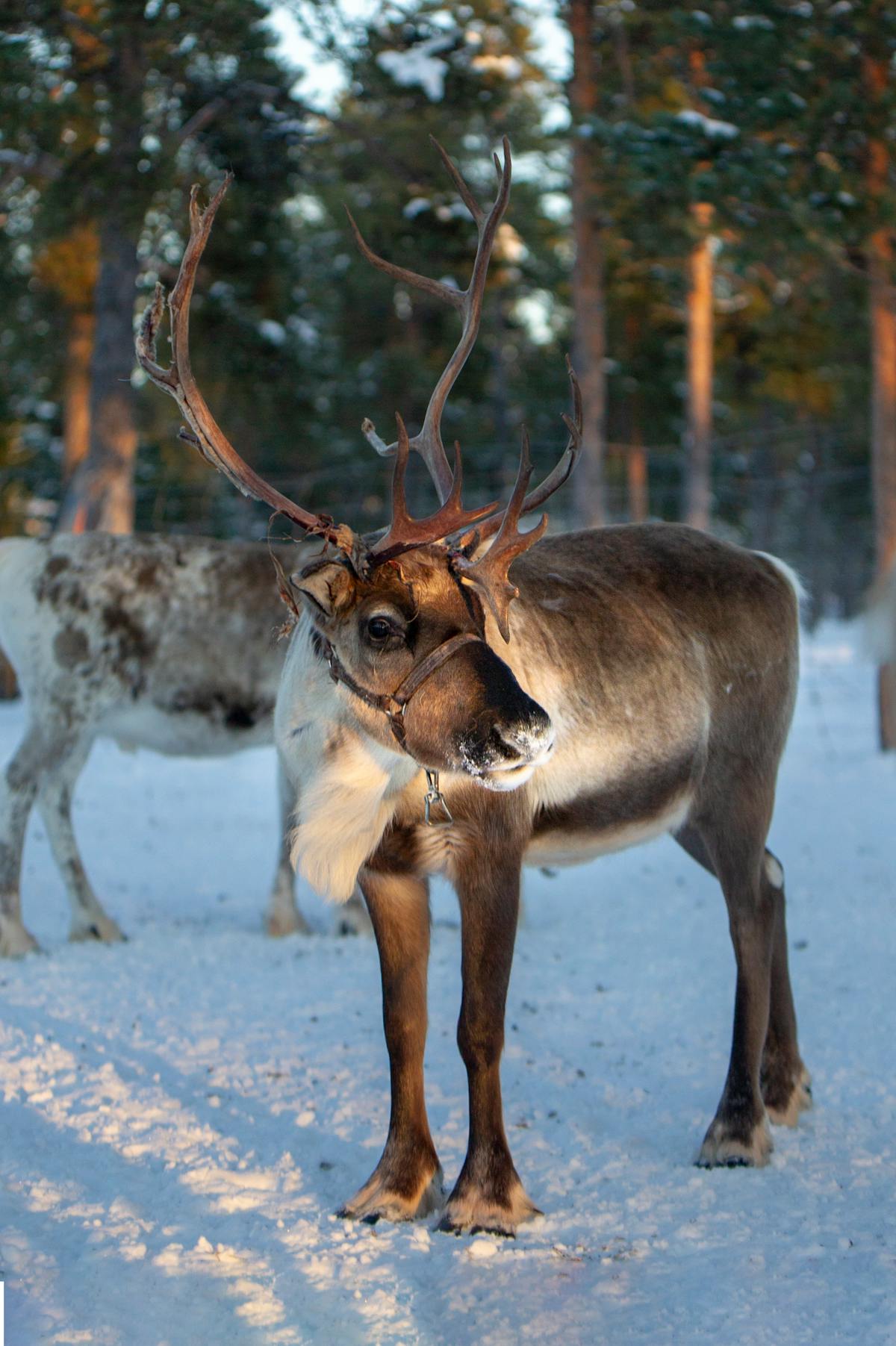
The Jokkmokk Winter Market
The Jokkmokk Winter Market — Jokkmokks marknad in Swedish — is one of the oldest markets in the world. It has taken place on the first Thursday, Friday and Saturday of February every year since 1605, when King Karl IX issued a decree establishing trading posts for Sámi communities in the north. The dates have never changed. Four hundred years of the same weekend.
Around 30,000 people attend over the three days — an extraordinary number for a town of 5,000. They come from across Sweden and Scandinavia, from Germany, the Netherlands, Japan. The market fills the town centre with stalls selling duodji (traditional Sámi crafts), reindeer products, Arctic knives, clothing, furs and food. There are joik performances (the traditional Sámi form of song, an intensely personal and improvisational vocal art), reindeer racing on the frozen lake, guided tours of reindeer herding camps, and an immersive sense of a living culture on deliberate, confident display.
The duodji work at the market is extraordinary. Traditional Sámi craft encompasses leatherwork, bone and antler carving, textile weaving, and the distinctive gákti — the formal Sámi clothing whose cut and colour vary by region, indicating where the wearer is from and their social status. The craft is functional as well as beautiful: Sámi knives are tools, not decorations; Sámi bags and pouches are made to survive Arctic conditions. Buying duodji directly from Sámi artisans at the market — rather than from tourist shops selling imitations — is both the appropriate way to engage and the only way to get the real thing.
📅 Booking Jokkmokk Market
The market runs the first Thursday–Saturday of February. Jokkmokk has very limited accommodation — book 6 months ahead minimum. Many visitors base themselves in Gällivare (90km south, train connections) or Arvidsjaur and drive in. The nights before and during the market are the coldest of the Lapland winter: expect −20°C to −30°C. Dress accordingly — this is not tourist cold, it is working Arctic cold.
Ájtte: The Swedish Mountain and Sámi Museum
If you visit Jokkmokk outside market season, or want depth before or after the market, Ájtte is essential. It is one of the most significant cultural museums in northern Sweden — jointly managed by the Swedish state and the Sámi Parliament — and it presents Sámi history, culture and contemporary life from an insider perspective rather than an anthropological one.
The permanent exhibition spans traditional seasonal life, the impact of Swedish colonisation and assimilation policies, contemporary Sámi art and politics, and the reindeer herding cycle in detail. The building itself is notable: low, dark-wood architecture that sits in the landscape rather than imposing on it. The surrounding outdoor museum — Lappstaden, a preserved collection of traditional wooden storage buildings used during the winter market — is immediately adjacent and adds a physical dimension to the interior exhibitions.
Ájtte also has a strong programme of temporary exhibitions and cultural events throughout the year. The shop sells genuine duodji and Sámi literature — one of the better places outside the winter market to buy authentic craft.
Experiencing the Reindeer Migration
The reindeer herding cycle is central to Sámi culture and the most direct way for visitors to engage with it in practice. The seasonal movement is roughly as follows: winter grazing grounds in the forests (where the reindeer dig through snow to reach lichen), spring migration to the mountains as the snow melts (a journey that can cover hundreds of kilometres), summer in the high fells above the treeline, and autumn return to the forest as winter closes in. The herders — who own the reindeer but do not confine them — follow this movement, managing the herd through each season.
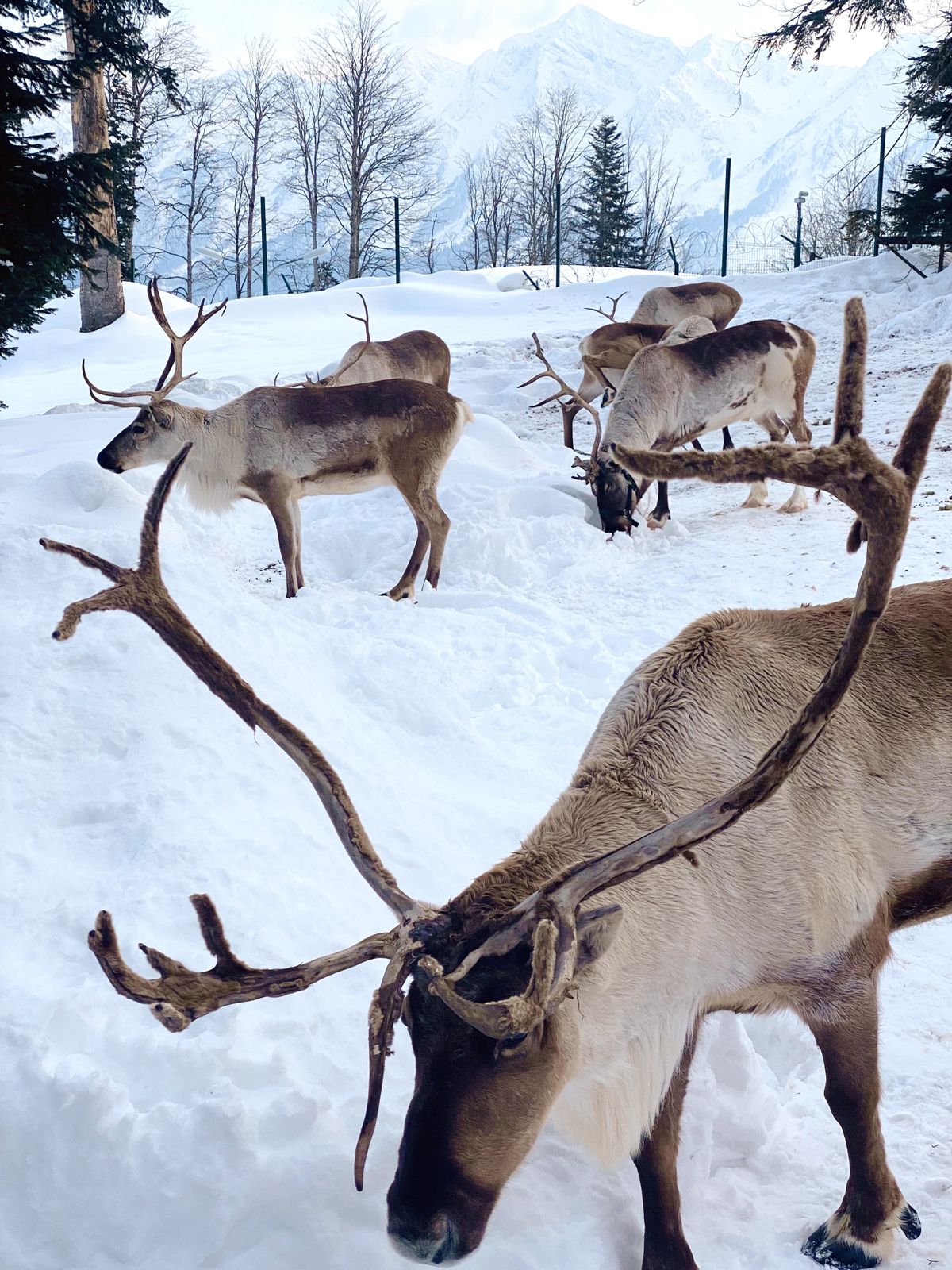
Several Sámi-run operators in the Jokkmokk and Gällivare areas offer genuine engagement with reindeer herding: visiting a reindeer camp, learning to lasso, feeding reindeer by hand, and hearing from herders about the contemporary realities of the work. These are not zoo experiences — you are visiting a working operation, and the tone is correspondingly serious. They are among the most memorable experiences available in Swedish Lapland, precisely because they are not packaged.
The best-known operator in the area is Naturguide Lars-Åke in Jokkmokk, a licensed Sámi guide whose family has herded reindeer for generations. Advance booking is essential; the operation is small and takes few guests. Similar experiences are available through the Sámi tourism network — look for operators whose websites are in both Sámi and Swedish, and whose guides are from the community rather than about it.
Joik: The Voice of the Arctic
Joik (juoigan in Northern Sámi) is the traditional Sámi vocal form — improvised, intensely personal, somewhere between song and chant. A joik is not a song about something; it is the thing itself, summoned in voice. A joik for a person attempts to capture their essence; a joik for a place does the same. The form is cyclical rather than linear — it does not have a conventional beginning, middle and end — and it is deeply connected to Sámi spiritual and cultural life.
Joik was suppressed under Christian missionary activity in the 17th and 18th centuries and nearly died out. Its revival since the 1970s — particularly through artists like Nils-Aslak Valkeapää and, more recently, the internationally known Mari Boine — has been one of the most significant cultural acts of modern Sámi life. At the Jokkmokk market you will hear joik performed in the streets and at the dedicated cultural events. It is unmistakeable — and unlike anything else you will hear in Europe.
🎵 Sámi Artists to Listen To Before You Visit
Nils-Aslak Valkeapää — the poet and artist who led the joik revival. Mari Boine — Norwegian Sámi singer who brings joik to international audiences. Sofia Jannok — Swedish Sámi artist with a political and personal voice. Máddji — contemporary Sámi electronic/joik fusion from Gällivare. Listening before you arrive gives the live performances a different depth.
Padjelanta and Sarek: The Wilderness Context
Jokkmokk is also the gateway to two of Sweden's most extraordinary national parks — Padjelanta and Sarek — which together with Muddus and Stora Sjöfallet form the Laponian Area, a UNESCO World Heritage Site of 9,400 square kilometres.
Sarek has no marked trails, no mountain huts, and no services. It is for experienced wilderness hikers only, and it is genuinely remote — the nearest road is several days' walking from the park centre. Padjelanta is more accessible, with a well-marked trail (the Padjelantaleden) and STF huts at intervals. Both parks contain the same landscape that Sámi herders have worked for centuries: high fells, braided river valleys, deep lakes and the particular silence of a landscape that has never been industrialised.
Understanding that this wilderness is not empty — that it is actively managed as reindeer grazing land by Sámi communities — changes how you experience it. The trails you walk are the same routes reindeer follow. The huts you sleep in sit in landscapes that specific families know as intimately as you know your neighbourhood.
Sámi Craft: Duodji
Duodji is the Sámi term for traditional craft — specifically the making of functional objects from reindeer hide, bone, sinew and wood. It is not decorative art in the Western sense: the knives, belts, bags and clothing that duodji produces are objects designed for use in the fell environment, where durability and practicality under extreme conditions are the measure of quality. The craft is also a living cultural practice, not a heritage performance — contemporary Sámi artists and craftspeople work within the duodji tradition and extend it.
Áhkkám Duodjár in Jokkmokk is the most accessible place to see and purchase duodji — the workshop sells work directly from Sámi craftspeople and can explain the provenance and technique of specific pieces. Prices reflect the labour involved: a duodji knife with a reindeer-bone handle costs 800–2,500 SEK; a full belt or bag significantly more. These are not souvenirs in the conventional sense. They are handmade objects that last decades.
Be cautious of imitation products. Mass-produced "Sámi-style" items sold at tourist shops throughout Lapland are not duodji and carry no cultural authenticity. The Duodji Institute's official trademark is a knotted rope symbol — this guarantees the object was made by a Sámi craftsperson following traditional techniques. Buy directly from workshops or from shops that carry the trademark.
The Sámi Relationship with the Land
The Sámi have inhabited the area now divided between Norway, Sweden, Finland and Russia for at least 10,000 years — predating the nation states that now govern their territory by several thousand years. Their traditional land rights have been consistently contested and frequently violated since Scandinavian kingdoms began asserting control over the Arctic regions in the 17th and 18th centuries. Swedish policy toward the Sámi included forced relocation of semi-nomadic communities, prohibition of the Sámi languages in schools (enforced through the mid-20th century), and the breaking up of reindeer herding rights across generations.
The current legal situation is complex. Sámi reindeer herders have specific rights under Swedish law to graze animals across large areas of northern Sweden, including private and state-owned land. These rights are regularly disputed in court by landowners and forestry companies. The ongoing legal battles over grazing rights — most recently the 2020 Girjas Supreme Court case, in which the Girjas Sámi village won the right to manage hunting and fishing in their traditional territory — are watched closely as tests of how far Swedish law will go in recognising indigenous rights.
Understanding this background matters when visiting. Sámi cultural sites, ceremonies and experiences are not theme park attractions. They are the living practices of a people who have maintained their culture and identity despite sustained pressure to abandon both.
How to Visit Responsibly
Sámi tourism has a complicated history. For decades, non-Sámi operators marketed Sámi aesthetics — the clothing, the reindeer, the joik — without involvement or benefit to Sámi communities. This is changing, but slowly. The guidelines for responsible engagement are not complicated:
Book Sámi-run experiences. The Sámi tourism association (Sáminuorra) maintains a list of member operators. Ask explicitly whether the guide is Sámi and whether the operation is Sámi-owned before booking.
Buy authentic duodji. Mass-produced imitations of Sámi craft are sold in tourist shops across Lapland. Authentic duodji is marked by the Sámi Duodji trademark — a needle with thread through it. Pieces from the Jokkmokk market, from Ájtte, or directly from named artisans are genuine.
Ask permission before photographing people. Photographing Sámi people in traditional dress without consent is not appropriate. At the market, ask first.
Engage with the political context. Sámi rights — to land, water and cultural expression — are an active political issue in Sweden. Reading even a brief account of the history before you arrive makes the experience richer and your engagement more meaningful.