The first thing you notice is the silence. Not the silence you expected — because before departure there was noise: the clatter of helmets being handed out, the engine check, the briefing about throttle control and how to read ice. But once you're on the lake, moving at speed across a surface that was liquid water eight weeks ago and is now a highway smooth enough to run at 80km/h, the noise of all of that drops away. Snowmobiling in Lapland is genuinely fun — more fun than I expected it to be. The combination of speed, landscape, and the physical sensation of controlling a machine in an alien environment creates something that most recreational activities don't offer.
Snowmobiling in Swedish Lapland is not the same activity as snowmobiling in a resort ski area. It is faster, more remote, more demanding, and more interesting. According to winter sports guides who work year-round in Lapland, "Snowmobiling here is unique because the terrain is genuinely wild — you're not on marked resort runs, you're crossing actual frozen lakes and navigating real wilderness. The adrenaline factor is significantly higher than stateside snowmobiling." A half-day guided safari out of Kiruna or Abisko can cover 80–120 kilometres through terrain that no road reaches — across frozen lakes, through spruce forests, up onto exposed mountain plateaus where the light in February does things to snow that you will struggle to describe afterwards.
This guide covers everything you need to know to plan a snowmobile safari in Swedish Lapland — from the honest practical realities to the decisions that will shape the experience most.
What a Snowmobile Safari Actually Involves
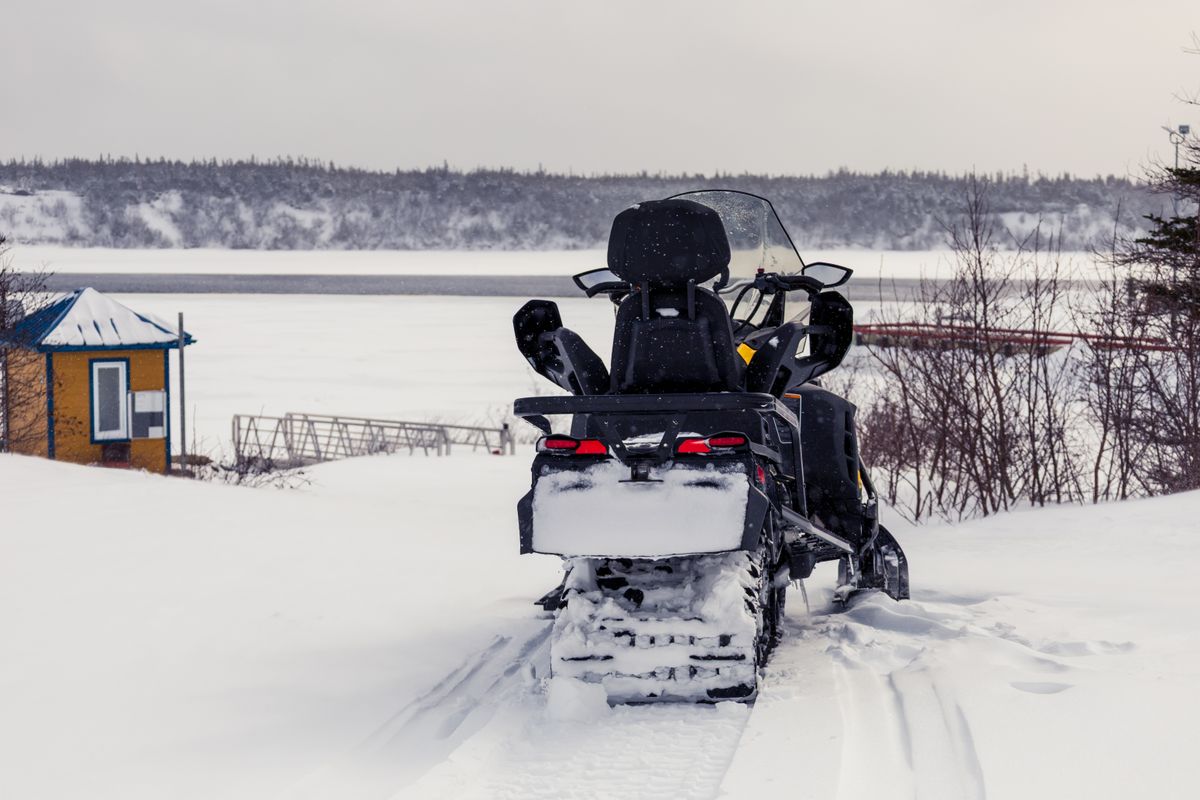
The standard format is a guided group safari. You are collected from your accommodation in Kiruna, Abisko or a nearby village; kitted out with a complete expedition suit (coverall, helmet, goggles, gloves, boots — all provided); given a 20–30 minute safety and technique briefing; and then you ride.
The guide leads. You follow. On a half-day trip, typical distance is 60–100 kilometres over 3–4 hours of riding, with a stop at a wilderness hut or open fire for coffee, hot berry juice and something to eat. The pace is set by the guide and the terrain rather than your preference — on frozen lakes you will reach 70–80 km/h without effort; in forest sections, speeds drop to 30–40 km/h as the trail narrows and twists.
Full-day safaris cover more ground — typically 150–200 kilometres — and may include a longer lunch stop, a visit to a reindeer camp, or a segment above the treeline where the landscape opens into the bare fell plateau. Multi-day expeditions, which run 3–7 days and cover up to 400–500 kilometres in total, follow routes between wilderness cabins and represent a completely different depth of experience.
Snowmobile vs Dog Sledding: Which to Choose
Both are excellent. They are very different. The right choice depends on what you want from the wilderness.
🏔️ Snowmobile
Speed, distance, adrenaline, the sense of covering the landscape rather than being in it. You can reach places no dog sled could cover in a day. The machine does the physical work. Louder, faster, more mechanical — but the landscape you cover is extraordinary. Best for people who want to see maximum terrain, or who want the sensation of power in a wild environment.
🐕 Dog Sled
Silence, relationship with animals, slow immersion in the landscape. You are moving at the speed of dogs — fast enough to cover ground, slow enough to notice everything. More physical, more weather-exposed, more emotionally involving for many people. Best for those who want depth of experience over range of terrain. Read our dog sledding guide for the full comparison.
Many visitors to Lapland do both — typically dog sledding on one day and a snowmobile safari on another. The contrast is instructive: after the silence of the dog sled, the snowmobile feels aggressive; after the snowmobile, the dog sled feels meditative. Together they give a more complete picture of what Lapland winter is and can be.
The Terrain: What You Will Ride Through
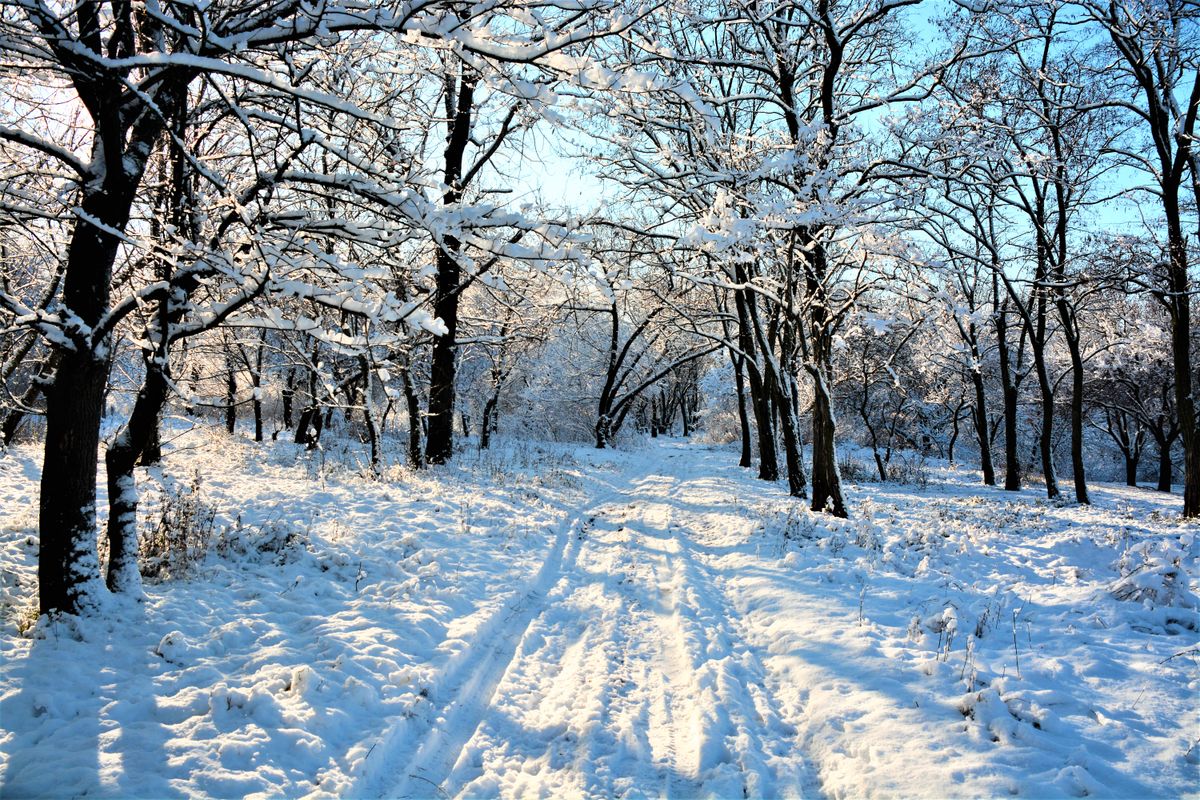
Frozen lakes. Swedish Lapland has thousands of them. In February, lake ice is typically 60–80cm thick — sufficient for vehicles far heavier than a snowmobile. Crossing a large lake at speed is the signature experience of a Lapland safari: the vast flat white, the machine responding to slight steering inputs, the treeline receding behind you, nothing between you and the horizon.
Forest trails. The boreal forest sections of a Lapland safari are entirely different in character. The trail narrows to a corridor through spruce and pine, the speed drops, and you're navigating between trees in a landscape that feels simultaneously enclosed and endless. These sections require more attention — the guide's hand signals for slow down, stop, and turn matter here.
Mountain plateaus. On longer safaris, the route climbs above the treeline onto the open fell. Wind increases, visibility can change quickly, and the sense of exposure is significant. The views, on clear days, extend for 40–50 kilometres in every direction — to the Norwegian mountains in the west and the forested lowlands in the east. This is where most participants take their best photographs.
River valleys. Some routes follow frozen river courses between the lakes — narrower than lakes, more dynamic, with pressure ridges and occasional open leads (unfrozen sections) that the guide navigates around.
The Electric Snowmobile Option
Several operators in the Abisko and Kiruna area now offer electric snowmobile safaris — a development that has changed the experience meaningfully. The electric machines are quieter, which alters the atmosphere significantly: you become more aware of the sounds of the landscape rather than the sounds of the engine. The range is sufficient for a half-day safari and adequate for most full-day routes.
Visit Sweden has actively promoted electric snowmobiles as part of its sustainability positioning, and several operators in Abisko use them exclusively. If the environmental impact of your Lapland visit matters to you — as it arguably should, given that you've chosen a climate-conscious destination for your holiday — ask specifically about electric options when booking.
The Routes: Where You Actually Go
Most Lapland snowmobile safaris follow one of three route types. The forest route stays within the treeline — birch and pine alternating, the trail winding between frozen lakes, visibility limited to a few hundred metres ahead but the tunnel-like quality of the forest track having its own particular intensity. These routes are the most common, the most accessible for beginners, and the most reliable for spotting animal tracks: moose, reindeer, Arctic fox if you're fortunate.
The fell route takes you above the treeline onto open Arctic plateau. The terrain becomes flat and white in every direction, the horizon miles away, the wind available in full. Temperature drops significantly above the treeline — plan on −25°C or colder on exposed sections — but the visibility and the scale of the landscape compensate. This is where the midnight sun lights the snow in summer and the aurora appears directly overhead in winter, without trees to interrupt the view.
The border route heads toward the Norwegian frontier and in some cases crosses it. Sweden and Norway have open land borders through Lapland and several operators offer cross-border routes that end with lunch at a Norwegian fell station before returning. These routes require a valid passport and tend to be more expensive — budget an additional 500–800 SEK over the standard full-day rate.
Winter Weather and What to Expect
Lapland in deep winter operates at temperatures between −10°C and −30°C, with the coldest periods typically in January and early February. Snowmobile operators provide full thermal suits rated to these temperatures — there is no need to bring specialised clothing, though layering underneath matters. A thermal base layer, a mid-layer fleece, and the operator's outer suit on top handles everything the weather produces.
The most important preparation is frostbite awareness. Exposed skin — cheeks, nose, the gaps at the wrists if you remove gloves briefly — loses sensation faster than most people expect at −20°C. Operators brief on this, but the practical rule is simple: if something feels very cold rather than mildly cold, cover it immediately. Face balaclavas are provided; use them.
Road conditions en route to the departure point can be challenging. If you are driving yourself, Nordic winter tyres (studded or friction) are legally required in Sweden from November through March and enforced. Rental cars in Lapland come with appropriate tyres, but check specifically when booking. The roads themselves are well-maintained; the variables are sudden snowfall and the occasional moose crossing.
What Nobody Tells You
Your hands will get cold. Even with the operator's gloves, which are good, your hands are the most exposed part of your body on a snowmobile. The throttle grip vibrates and conducts cold. Chemical hand warmers inside the outer glove, active from the start of the safari, make a significant difference. Bring them.
The briefing is shorter than it should feel. Twenty minutes of instruction before you drive a machine at 80km/h on ice sounds insufficient. It is enough, on a guided trail safari, because the guide controls the pace and the route is selected for its safety. But pay attention to the briefing — particularly the signal system (the guide's hand positions that mean stop, slow, turn) — rather than treating it as a formality.
The photography window is narrow. The best light in Lapland in February is in the hour around midday when the sun clears the horizon. Safaris that depart in this window give you the best conditions for photographs. Ask your operator about timing if photography matters to you.
The passenger experience is different. If two people are sharing a machine and taking turns to ride pillion, the passenger has a much easier physical experience but loses the control and engagement of driving. Couples who have one person comfortable with driving and one less so often find the half-passenger arrangement works well — but the driver gets significantly more from the day.
🏔️ Best Bases for a Snowmobile Safari
Kiruna — largest city, best flight connections, widest choice of operators. Route options include Torneträsk lake crossings, mountain ascents and forest trails. Abisko — smaller, better for multi-day expeditions, access to Abisko National Park terrain, most electric snowmobile operators. Jokkmokk — less commonly used as a base but excellent for cultural combination (market + safari). Arvidsjaur — further south, accessible by overnight train from Stockholm, good operators at lower price points.
Costs and Booking
Prices in 2025–26 season, per driver: half-day guided safari 1,800–2,800 kr; full-day 3,000–5,000 kr; multi-day expedition 6,000–15,000 kr. Passengers sharing a machine pay roughly 50–60% of the driver price. All equipment is included. Most operators require advance booking — for February and March, book at least 8 weeks ahead. The most reputable operators (Lapland Sleddog Adventures, Arctic Expedition, Abisko Naturehouse and others) fill their February slots by December.
Group size matters: smaller groups (4–6 people) give a more personal experience and allow the guide to adjust the route based on the group's ability. Large groups (10+) feel more like a convoy than an expedition. Ask about maximum group size when booking.
Combining with Other Lapland Activities
A Lapland winter trip works best as 4–5 days that combine several activities — the different paces and sensory registers complement each other. A typical combination that works well:
Day 1: Arrival in Kiruna, evening Northern Lights search. Day 2: Dog sledding half-day, afternoon at the ICEHOTEL. Day 3: Snowmobile full-day safari. Day 4: Slower day — Ájtte museum in Jokkmokk (90-minute drive), reindeer camp visit. Day 5: Departure.
This pace gives you both the speed and silence of Lapland winter, the cultural depth of Sámi engagement, and the specific wonder of watching a sky you didn't believe was really possible.