How Long and Varied Sweden Actually Is
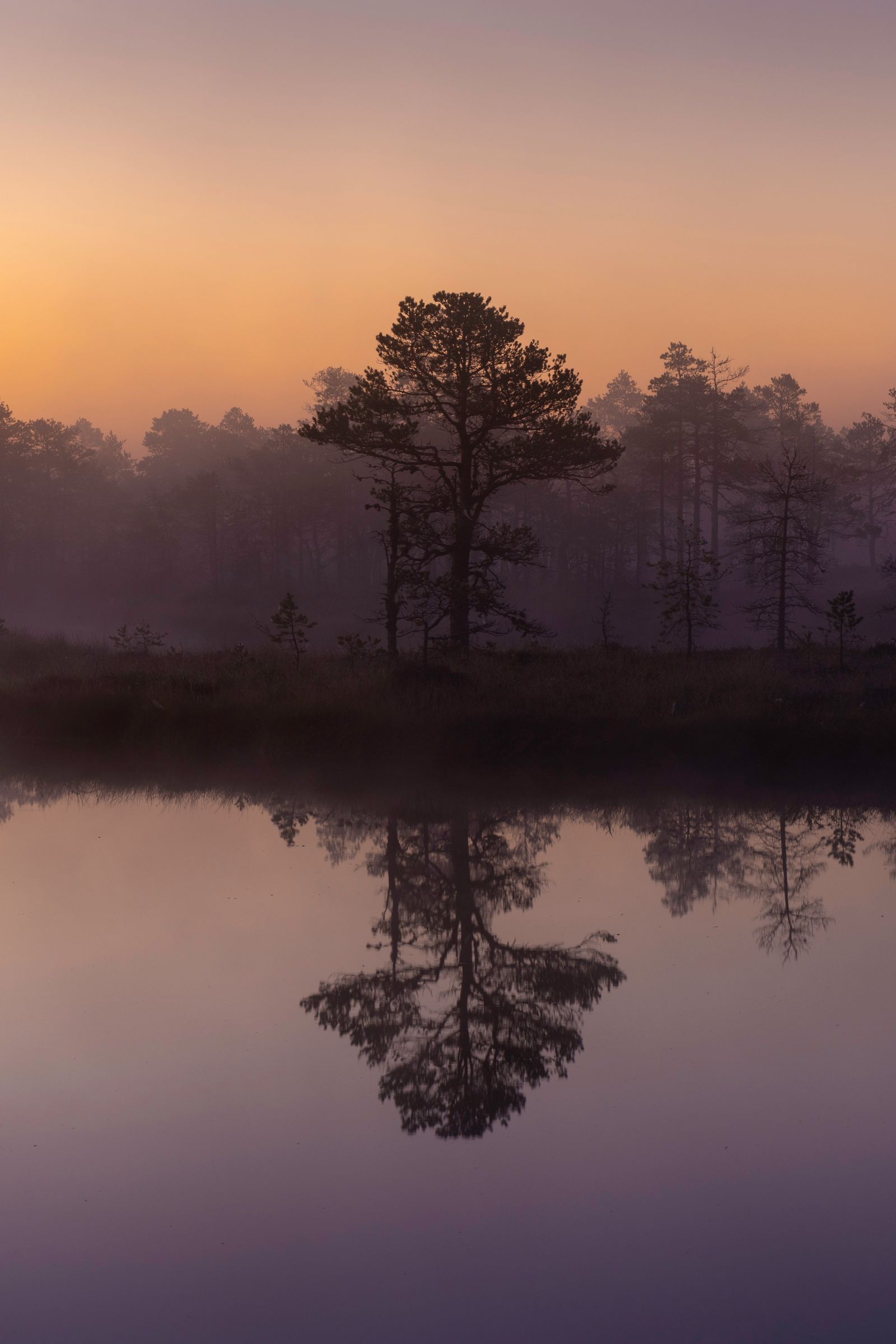
Sweden is a long country. Longer than most people realise. If you placed it over Western Europe, it would stretch from Rome to Oslo. That distance — nearly 1,600 kilometres from the southernmost tip of Skåne to the northern extreme of Lapland — means the weather at one end bears almost no relation to the weather at the other. A warm July afternoon in Malmö, where people are cycling in shorts and eating ice cream on piers, coincides with temperatures in Abisko cool enough to require a fleece and hiking boots. January in Gothenburg involves grey maritime drizzle. January in Jukkasjärvi involves minus twenty-five.
What This Guide Covers
This guide covers Sweden's climate region by region, season by season. It's written for people planning a Coldcation — a deliberate escape from heat — and for anyone who wants to understand what they're actually arriving into, rather than discovering it at the airport.
Understanding Sweden's Climate Zones
Sweden sits in the temperate zone but spans several distinct climate subtypes. The south has a humid continental climate moderated by the Baltic and the North Sea. The west coast, around Gothenburg and Bohuslän, has a maritime oceanic character — milder winters, more cloud, more rain. Central Sweden, including Stockholm and the lake districts of Dalarna and Värmland, has the clearest four-season character: genuine winters with reliable snow, warm summers, dramatic spring thaws. The far north transitions into a subarctic climate, with permafrost in some inland areas, eight-month winters and summers that are brief but intensely beautiful.
One number illustrates the span: the difference between the average January temperature in Malmö (around 0°C) and Kiruna (around -16°C) is sixteen degrees. In a country this long, packing for "Sweden" without specifying the region and season is a bit like packing for "Europe" without knowing whether you're going to Lisbon or Helsinki.
Sweden's Weather by Region
🌿 Skåne and the South
Skåne — the southernmost county, the flat agricultural one, the one that looks architecturally more like Denmark than Sweden — has the mildest climate in the country. Winters are short and rarely brutal. Snow falls but rarely settles for long. January averages hover around 0°C in Malmö, occasionally dipping to minus five, occasionally warming to plus five. It feels, in winter, roughly like a cold English coastal county.
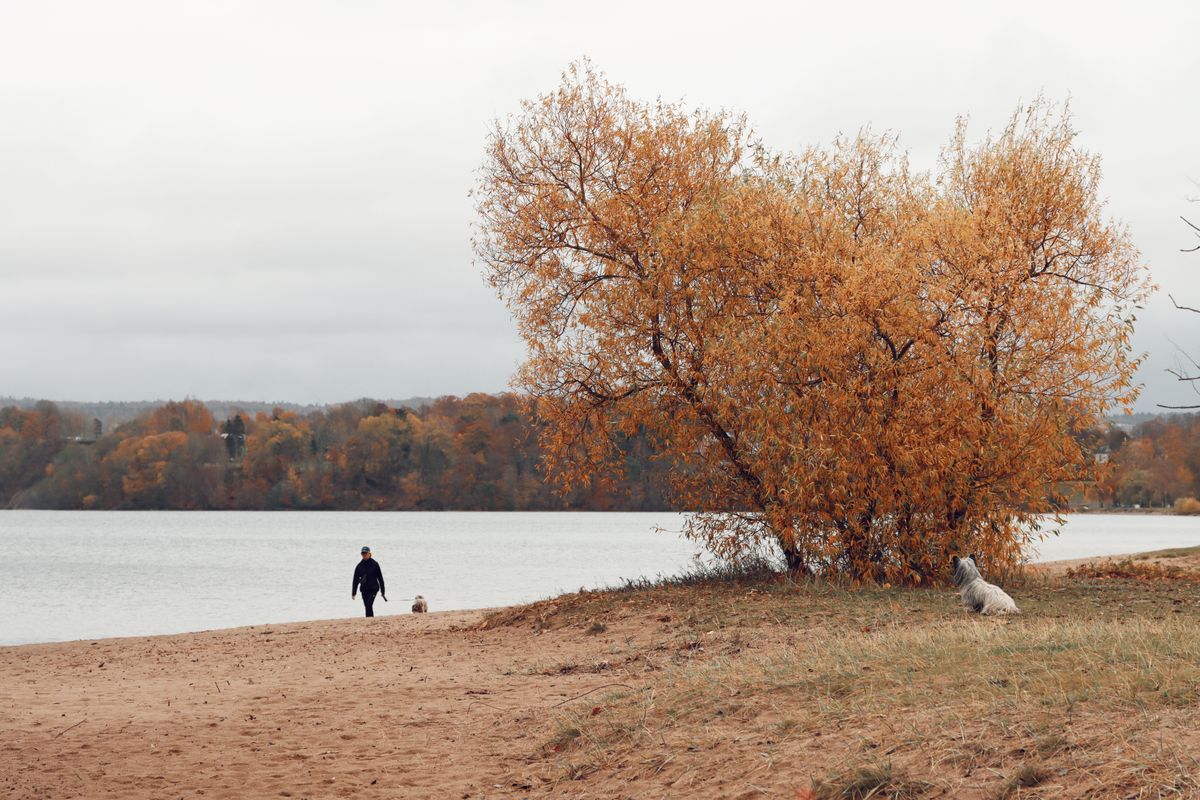
Summer in Skåne is warm and genuinely pleasant. July highs reach 22–25°C. The county has Sweden's best beaches — Falsterbo, Sandhammar — and enough hours of sunshine to sustain its wine industry, a fact that surprises most visitors who associate Sweden with cold rather than viticulture. Rainfall is moderate and spread across the year, with no pronounced dry or wet season.
Öland and Gotland, the Baltic islands off the east coast, share Skåne's mild disposition but with more sunshine and less rain. Gotland in particular has the most sunshine hours of any place in Sweden — over 2,000 hours per year, comparable to parts of northern France. The islands' limestone geology drains quickly, keeping them drier than the mainland even in wet periods. This is why both islands feel distinctly Mediterranean in tone during a good July, even though the temperatures are modest by Mediterranean standards.
🌡 What to pack for southern Sweden
Summer: light layers, a wind layer for the coast, swimwear. A light rain jacket is sensible but rarely required daily. Winter: a warm coat, hat and gloves, waterproof footwear — not extreme cold gear. Spring and autumn: plan for anything. Skåne's shoulder seasons are genuinely unpredictable, capable of warm sun one day and horizontal rain the next.
🏙 Stockholm and the East Coast
Stockholm sits at roughly the same latitude as Anchorage, Alaska, which always surprises people. The Gulf Stream's influence and the Baltic Sea keep it from being as extreme as that comparison implies, but Stockholm is nevertheless a proper northern city with a proper northern climate.
Winter runs from November to March. January and February are the coldest months, averaging -3°C to +2°C, with the city occasionally getting real cold snaps that push it to minus fifteen. Snow falls reliably in most years, though it rarely stays for weeks the way it does further north. The harbour sometimes freezes. The archipelago islands — 27,000 of them, stretching 80 kilometres east into the Baltic — develop thick enough ice in cold winters that locals walk between islands. In mild winters, they don't.
Spring arrives with some drama. March and April are a thaw in every sense — temperatures swinging wildly, snow and then sun, mud and then flowers. By May, something clicks. The birch trees leaf almost overnight, the light extends past nine in the evening, and Stockholmers begin a mass migration outdoors that continues until September with the intensity of people who have been waiting a long time for exactly this.
Stockholm summers are genuinely warm. July averages 23°C with highs regularly reaching 27–28°C. The city bakes in heatwaves some years, though nothing approaching southern European extremes — the all-time record is 36°C, recorded once. In a typical year, you're looking at three weeks of reliably warm summer weather, bracketed by pleasant but cooler periods.
Autumn comes quickly. By October, the birches have gone yellow and then bare, the temperature drops noticeably, and the Baltic light takes on the low golden quality that Swedish photographers spend all year waiting for.
| Month | Avg High (°C) | Avg Low (°C) | Rainfall (mm) | Daylight (hrs) |
|---|---|---|---|---|
| January | -1 | -5 | 39 | 7 |
| February | -1 | -6 | 27 | 9 |
| March | 4 | -3 | 26 | 12 |
| April | 10 | 1 | 30 | 14 |
| May | 16 | 6 | 30 | 17 |
| June | 21 | 11 | 45 | 19 |
| July | 23 | 14 | 72 | 18 |
| August | 22 | 13 | 66 | 15 |
| September | 17 | 9 | 55 | 12 |
| October | 10 | 4 | 50 | 10 |
| November | 4 | 0 | 53 | 7 |
| December | 1 | -4 | 46 | 6 |
🌊 The West Coast — Gothenburg and Bohuslän
The west coast is Sweden's least typically Swedish weather experience, if your expectation of Sweden involves cold, clear winters and dry summers. Gothenburg and the Bohuslän archipelago are governed by Atlantic weather systems sweeping in from the North Sea. That means milder temperatures year-round — winters rarely brutal, summers rarely very hot — but also more cloud, more rain, more grey.
Gothenburg receives around 750mm of rainfall per year, making it one of the wetter Swedish cities. The west coast is especially wet in autumn and winter. Locals are philosophical about this. The city has excellent indoor culture — museums, restaurants, the covered Saluhallen market — and the compensation for the weather is that the coast, when it's good, is extraordinarily beautiful. Granite archipelago, sea-polished rocks, clean cold water, lobster pots and white wooden boathouses. On a clear day in early July, Bohuslän is one of the finest places in Europe.
That phrase — "on a clear day" — does a lot of work on the west coast. Plan for weather variability and bring a proper waterproof. The summers do have their warm spells: July averages around 21°C, with pleasant stretches of three or four days that send everyone to the outer islands. But the west coast is not the place to go if unbroken sunshine is the goal.
🌲 Central Sweden — Dalarna, Värmland and the Lake Districts
Central Sweden is where the country's most classically Swedish landscape concentrates: the red cottages, the lakes, the forest that goes on long enough to suggest it might go on forever. Dalarna and Värmland are the heartlands of this landscape, and the weather here has the cleanest four-season character of anywhere in the country.
Winter is real and usually reliable. Snow arrives in November or December and typically stays until March or early April. Temperatures drop to minus ten or minus fifteen on cold nights, and the lakes freeze solid enough for skating by January in most years. This is the climate that the iconic Swedish winter aesthetic — ice fishing through a hole in the lake, cross-country skiing through birch forests, wood smoke from a red cabin — is actually based on. It's not a myth. It's just Dalarna in February.
Summer is warm but not hot. Lake temperatures reach 20°C or more in July, making swimming genuinely pleasant rather than merely brave. The forest floor, accessible to anyone under the allemansrätten right to roam, fills with blueberries in August and mushrooms in September. Autumn in central Sweden is, if you're the type to find it, the best season of all: the birches going yellow, the air sharpening, the forests quiet except for the occasional moose crashing through undergrowth.
🏔 Norrland — The Great North
Norrland is not a single place but a vast concept: the upper two-thirds of Sweden, a region roughly the size of the United Kingdom with a population of around 900,000. It encompasses everything from the coastal towns of the High Coast (Höga Kusten) to the mountain wilderness along the Norwegian border, from the boreal forest interior to the subarctic tundra of the far north.
The defining characteristic of Norrland's climate is contrast. Winter is long, dark and genuinely cold — but clear and often deeply beautiful. Summer is short but intense, with temperatures that can surprise visitors who expected permanent chill: 25–28°C in the interior is not unusual in July, and the absence of night means the warmth accumulates in a way that can feel disorienting. In June and July above the Arctic Circle, the sun doesn't set. Not technically — it dips toward the horizon, lights the landscape at a low angle, and rises again without ever disappearing. The midnight sun is not metaphorical. It is the actual sun, at midnight, lighting your campsite.
The coastal areas of Norrland — Härnösand, Sundsvall, Härnön — have a more moderate character than the interior. The Baltic coast moderates extremes slightly; summers are pleasant and winters cold but manageable. The Höga Kusten, the High Coast UNESCO World Heritage area north of Härnösand, is one of the most dramatic coastlines in Europe — all steep forested cliffs plunging into the sea — and its weather, while cool and variable, rewards those who come prepared for it.
Inland Norrland is where the numbers get serious. Vilhelmina, Storuman, Jokkmokk — these are towns where January temperatures of minus twenty-five are entirely normal, where minus forty has been recorded more than once, and where the winter lasts long enough that the concept of spring feels almost theoretical until it arrives, fast and transformative, in May. But this is also where the boreal forest is at its most intact, where elk, wolves and brown bears move through landscapes that haven't changed much in centuries, and where the silence on a still winter night has a quality that the phrase "very quiet" doesn't come close to capturing.
🧊 Cold weather in Norrland: what it actually means
Minus twenty sounds extreme but is manageable with proper layering. The key variables are wind and humidity. Lapland's dry cold at minus twenty is far more comfortable than a damp minus five on a British coast. The rule: no cotton (it holds moisture), cover all exposed skin, and start with more layers than you think you need. Merino wool base layer, insulating mid-layer, windproof shell. Proper insulated boots — rated to at least minus thirty for winter trips. Everything else is details.
❄ Lapland — The Arctic North
Swedish Lapland — roughly the area north of the Arctic Circle, encompassing Kiruna, Abisko, Gällivare and the Sami heartlands — has a subarctic climate. That means long, very cold winters and short, surprisingly warm summers. The two extremes are more dramatic than anywhere else in the country.
Winter statistics: Kiruna averages -16°C in January. The record low in the region is -53°C, recorded at Vuoggatjålme in 1966. Snowfall begins in October and the ground typically stays covered until April or even May in highland areas. The polar night — the period when the sun doesn't rise above the horizon at all — runs from early December to early January in Kiruna, about four weeks. During this period, the quality of light is extraordinary: a long twilight around midday, blue and pink, that lasts a couple of hours before the darkness returns. Many people find it beautiful rather than oppressive. Some find it both.
The Northern Lights season runs from September through March, any time the sky is dark enough. The peak months are January and February, when nights are longest and solar activity is often elevated. Abisko has an unusual microclimate — a persistent "blue hole" of clearer skies caused by the mountain topography around Lake Torneträsk — that makes it one of the most reliable aurora viewing locations in the world.
Lapland summer is the counter-argument to everything winter suggests. July temperatures in Kiruna average 17–20°C, but with the midnight sun, the effective warmth accumulates — evenings that are still fully lit at 11pm, mornings that begin before 2am. The Kungsleden hiking trail, running 440 kilometres through the mountain wilderness, is at its best from late June to mid-September. Wildflowers cover the fell tops. Rivers run fast and clear. The mosquitoes are present in significant numbers — any honest guide admits this — but are manageable with proper repellent and a head net for camping.
| Region | July avg high | January avg | Annual snow months | Midnight sun |
|---|---|---|---|---|
| Skåne (south) | 23°C | 0°C | 1–2 months | No |
| Stockholm | 23°C | -2°C | 2–3 months | No (near-midnight sun) |
| Gothenburg | 21°C | 1°C | 1–2 months | No |
| Dalarna | 22°C | -8°C | 4–5 months | No |
| Norrland coast | 21°C | -8°C | 4–5 months | No |
| Norrland inland | 20°C | -15°C | 5–6 months | Brief midnight sun |
| Lapland (Kiruna) | 18°C | -16°C | 6–7 months | June–July |
The Midnight Sun and the Polar Night
These are Sweden's two most dramatic weather phenomena — though "weather" is perhaps the wrong word for either. They're astronomical events that the weather has to work around.
The midnight sun occurs above the Arctic Circle from approximately mid-June to mid-July, when the Earth's axial tilt means the sun never dips below the horizon. Below the Arctic Circle — including Stockholm — there's no true midnight sun, but the summer nights are so short that it barely matters. In Stockholm in June, the sky is fully lit by 3am and doesn't get properly dark until well after 10pm. The effect on visitors, and on the Swedes themselves, is a kind of giddy productivity: people who have spent winter conserving energy in the dark spend summer expanding into light that doesn't end.
The polar night — kaamos in Finnish, often used in Swedish too — runs for about four weeks in the far north around the winter solstice. Above the Arctic Circle, the sun doesn't clear the horizon at all. Below it, in places like Umeå and Östersund, the sun rises briefly and at a very low angle, giving a few hours of dim, sideways light before setting again. This is the season that most challenges visitors who expect normal daylight rhythms. The advice from Swedes who live through it: make full use of every hour of available daylight, don't fight the darkness, use candles everywhere indoors, and book a massage.
Rain, Snow and the Things in Between
Swedish precipitation is not dramatic by global standards. The country doesn't have monsoon seasons or the drenching summer downpours of some parts of Europe. But it has significant regional variation in how and when it rains or snows.
The west coast is the wettest part of the country. Gothenburg receives around 750mm of rain annually, spread fairly evenly across the year, with autumn and winter slightly wetter. The mountains along the Norwegian border — particularly around Åre and the areas of northern Jämtland — are the snowiest, receiving metres of snow during winter that support Sweden's ski industry and keeps the mountain rivers running fast through summer.
The east and southeast are significantly drier. Stockholm gets around 540mm of rain per year — less than London. Öland and Gotland are drier still. The Baltic coast in general benefits from a prevailing wind pattern that wrings moisture out of weather systems before they reach the eastern shore, giving the islands and coast a sunnier, drier character than the interior.
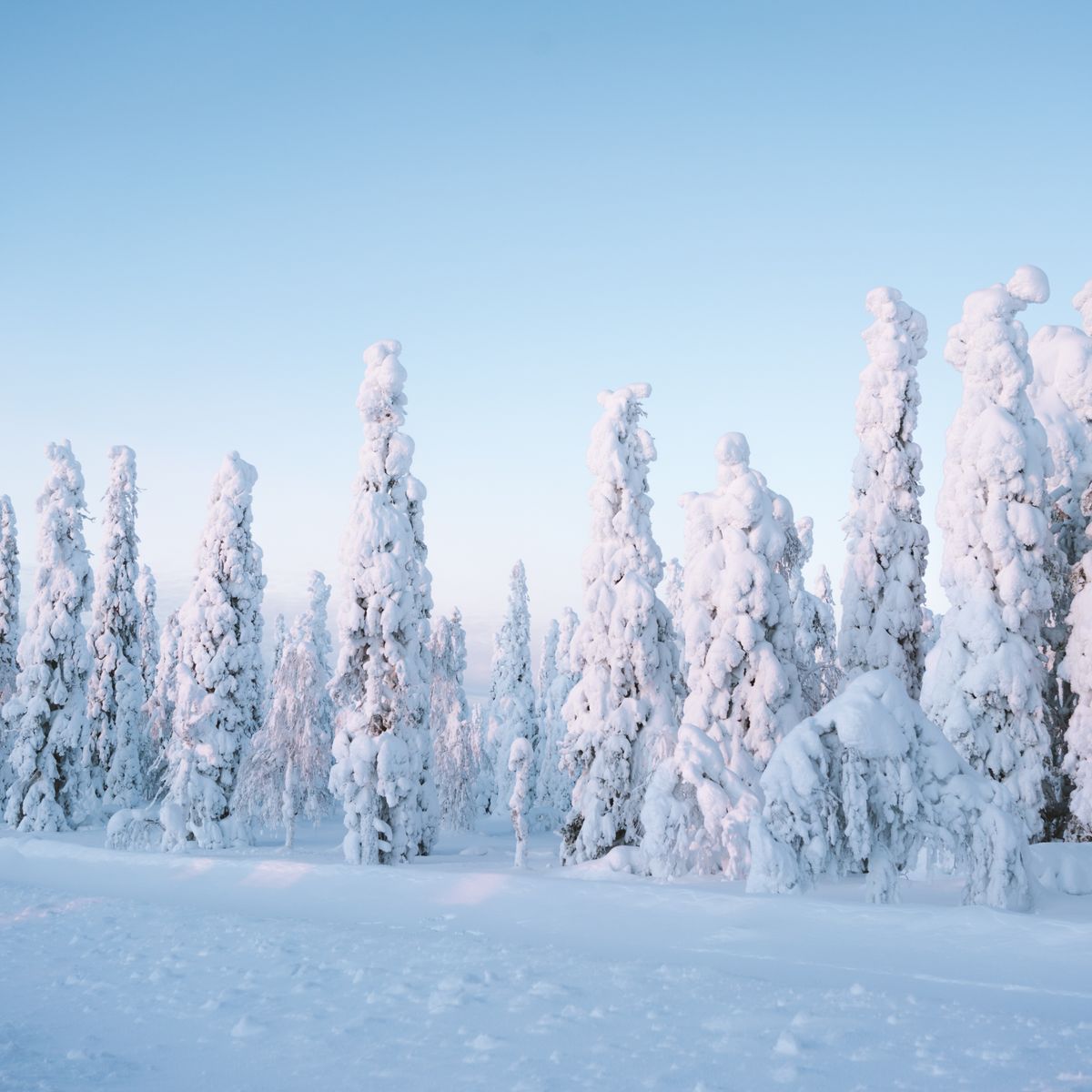
Snow is a defining experience in much of Sweden and is more reliable further north. In Skåne, snow is occasional and often brief. In Stockholm, it arrives most years and typically stays for some weeks in January and February, though the city functions normally through it — the infrastructure is designed for snow, not surprised by it. In Dalarna and Norrland, snow is guaranteed from November or December and stays until April. In Lapland, the snow cover from October to May is essentially permanent in most years, and in upland areas, patches of snow in June are not unusual.
☔ Rain in Sweden: the honest version
Swedish rain tends to be light and frequent rather than heavy and rare. You won't often get soaked in a downpour. You will often encounter grey, drizzling days, especially on the west coast and in autumn. A good waterproof jacket is more useful than an umbrella — Swedish wind has opinions about umbrellas. The locals wear rainwear as a matter of course and don't let it interrupt plans. Neither should you.
The Climate Case for a Swedish Holiday
All of this regional variation exists within a country that is, by European standards, genuinely cool. That's the point of the Coldcation. The summer high in Stockholm is 23°C. In Malmö, 23–25°C. In Gothenburg, around 21°C. These are temperatures at which you can walk all day without heat exhaustion, sleep at night without air conditioning, and hike in the afternoon without feeling like you're being lightly cooked.
Compare that to the temperatures that have been recorded in southern Europe in recent summers: 43°C in Seville, 41°C in Rome, 40°C in Athens, fires burning across Sardinia, health warnings across France. The same July that kills the appetite for a beach holiday in the Mediterranean is, in Sweden, the best month of the year. The contrast is not subtle and it's not temporary. It's structural, and it's getting more pronounced.
This isn't about Sweden being perfect. The west coast is rainy. The winters are dark. The mosquitoes in Lapland in July are committed to their work. But on the axis of "will the weather ruin my holiday by being dangerously, uncomfortably hot" — Sweden sits at the far opposite end of the scale from every destination that sells itself on heat and sunshine. That is increasingly a selling point rather than a concession.
When to Go: A Practical Summary
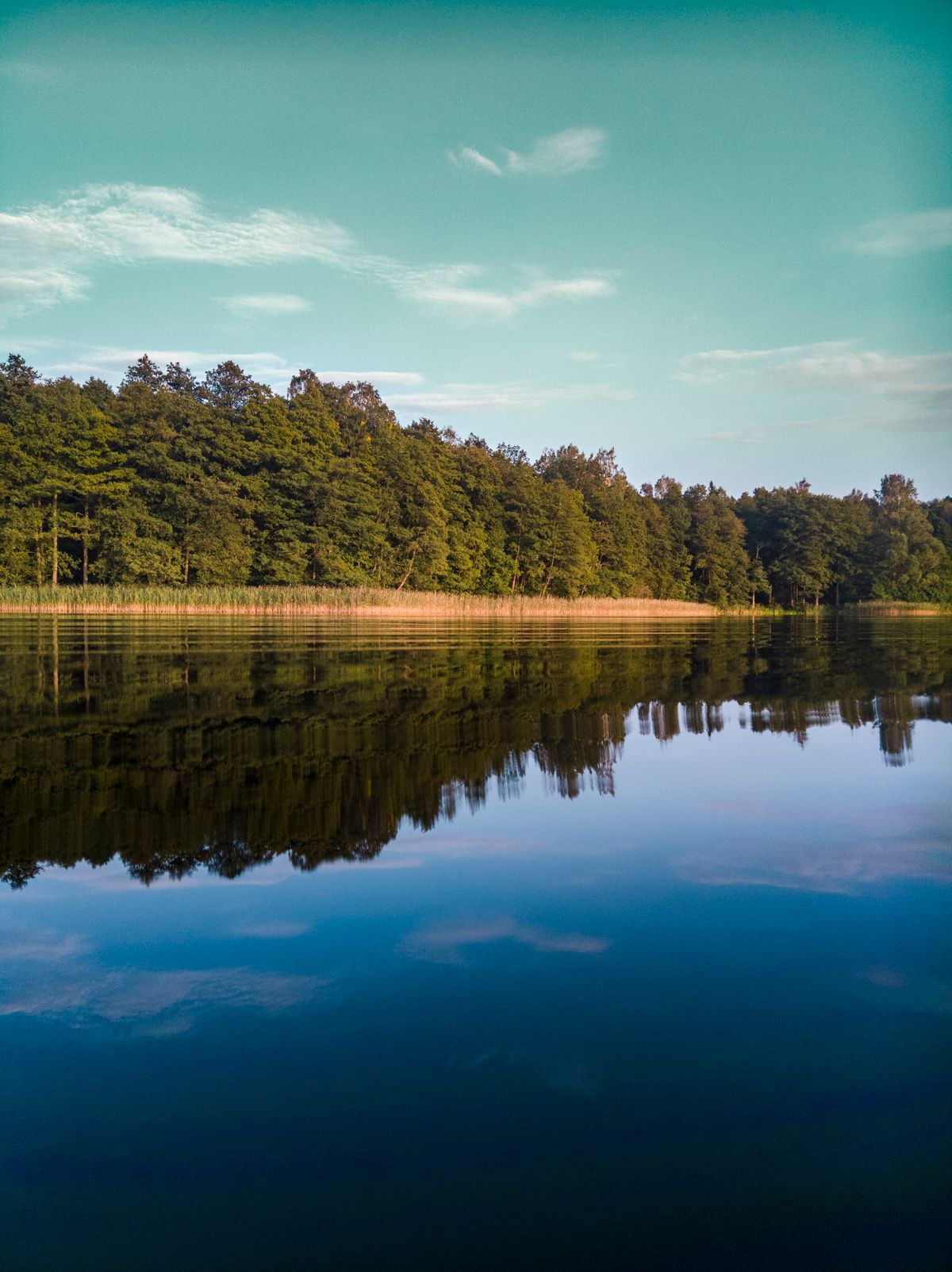
June and July are the peak summer months across all regions. Long days, warm temperatures, accessible nature. This is the busiest and most expensive time to visit, particularly in the archipelago and on Gotland. Book accommodation early.
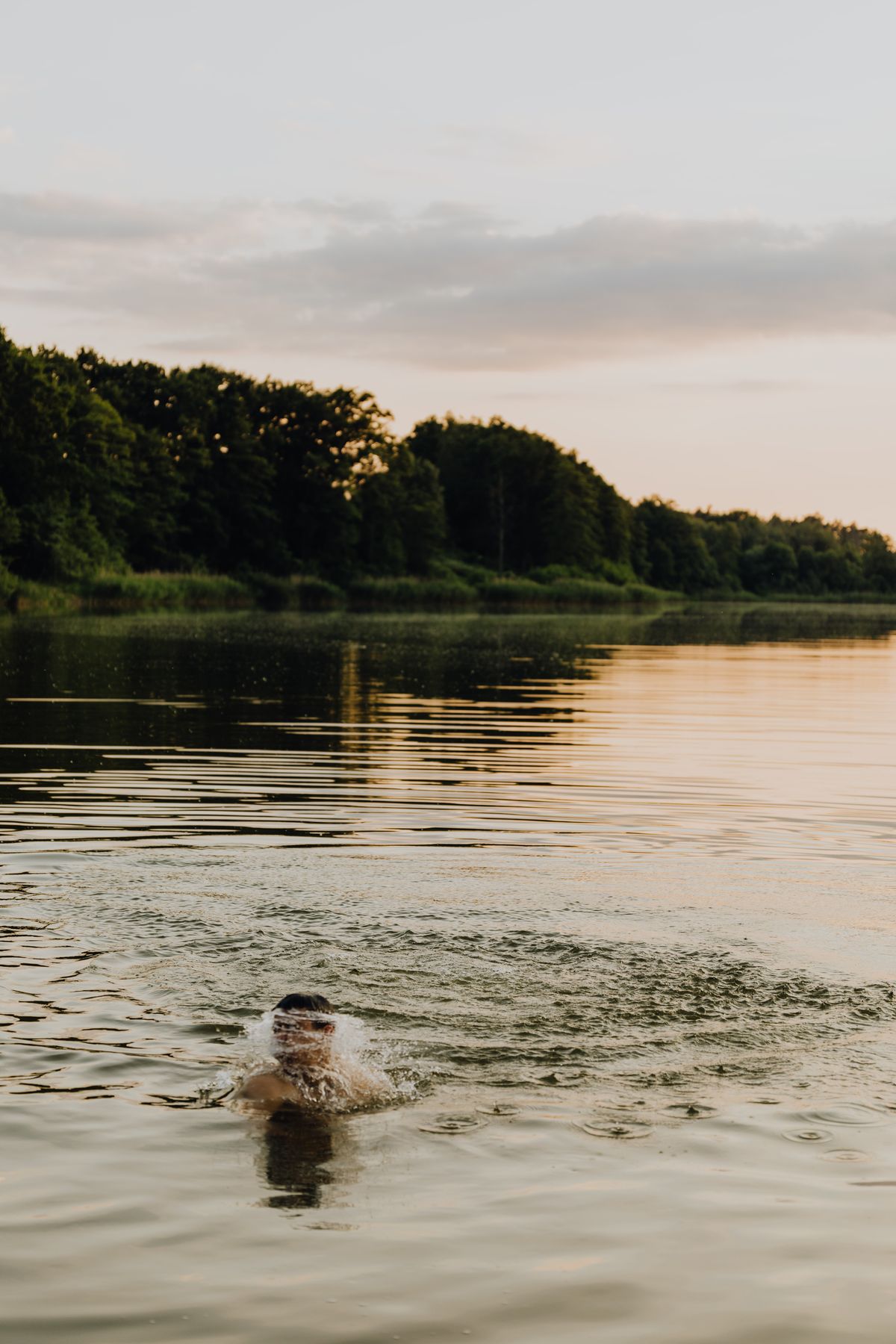
August is excellent and slightly cheaper, with the bonus of berry season — blueberries, lingonberries and cloudberries in the north. The light begins to change perceptibly by late August, which many people find the most beautiful time of year.
September is the beginning of autumn and arguably the most underrated month to visit Sweden. The forests turn, the crowds thin, the prices drop, and the light takes on the quality that Swedish landscape photographers spend all year preparing for. Mushroom foraging season. Early Northern Lights in the north.
December and January are for winter experiences in Lapland: Northern Lights, dog sledding, the ICEHOTEL, and the strange, beautiful quiet of the polar night. Sweden at Christmas has a particular warmth that counteracts the cold — glögg, Lucia, candles in every window.
February and March offer the best combination for winter and Northern Lights: reliable snow, improving daylight, manageable temperatures, and good aurora probability. Also the best months for skiing in Åre.
May is spring arriving all at once. One of the most dramatic transformations in European nature, as birch forests that were bare two weeks ago suddenly leaf. Low prices, empty trails, and the peculiar joy of a country turning green after a long winter.
📖 Ready to plan your trip? Read our full Sweden travel planning guide — covering flights, trains, accommodation, budget and the best time to visit for your specific interests.
Mistakes Tourists Make About Swedish Weather
❌ Assuming summer means reliably warm
July in Sweden averages 22–25°C in Stockholm with plenty of sunshine — and can also produce a week of 14°C rain. Swedish summer weather is genuinely variable, particularly on the west coast and in the north. Every Swedish summer produces a run of bad weather at some point. The travellers who enjoy themselves regardless bring a waterproof and don't cancel outdoor plans on the first grey morning.
❌ Not checking the SMHI forecast
SMHI (Meteorologiska Institutet) is the Swedish national weather service and its forecasts are more accurate for Swedish terrain than generic weather apps. Use smhi.se or the SMHI app — it gives wind, precipitation and temperature by hour and is the standard source that outdoor operators, hikers and sailors use. Particularly useful for west coast sailing and archipelago kayaking where afternoon wind patterns matter.
❌ Packing only for one season
A week in Sweden in early September can encompass 25°C sunshine, an afternoon of heavy rain, and cool evenings requiring a fleece. The same week in Lapland could include frost. Swedish experienced travellers use the layering system because it works: base layer for moisture management, mid layer for warmth, waterproof shell for wind and rain. Adjust the combination rather than packing for a predicted temperature that won't hold all week.
Frequently Asked Questions: Sweden Weather
What is the weather like in Sweden in summer?
Variable but generally good from late June through August. Stockholm and the south typically see temperatures of 20–26°C with long sunny spells and 17–18 hours of daylight in midsummer. The west coast (Bohuslän, Halland) gets more rain than the east — it faces the North Sea. Lapland in July can reach 25°C and the midnight sun means the warmth continues around the clock. Rain is always possible; pack a lightweight waterproof regardless of season.
How cold does Sweden get in winter?
Stockholm typically sees −5 to +2°C in January and February. It rarely drops below −15°C in the city. Swedish Lapland is a different matter: January temperatures of −20 to −30°C are normal, and −40°C is recorded in extreme winters. The cold in Lapland is dry rather than damp, which makes it more tolerable than it sounds with appropriate clothing. Snow in Stockholm is not guaranteed each winter; above the Arctic Circle snow cover runs November through April reliably.
Does Sweden have a rainy season?
No single rainy season. The west coast receives the most precipitation year-round (Gothenburg gets more rain than London). The east coast and the interior have more continental patterns — drier summers, colder winters. The far north of Sweden has relatively low precipitation overall — Lapland is technically semi-arid. The best weather for outdoor travel is July and August; September remains good in the south and has exceptional light.
What is the weather like in Sweden in spring?
April and May see temperatures rise from 5–10°C to 15–20°C in the south. The snow melts, the birch trees leaf out, and the light returns rapidly — Stockholm gains about 6 minutes of daylight per day through April. Late May is one of the most beautiful times in Sweden: everything is green, the days are long (16+ hours in the south), the flowers bloom and the crowds haven't arrived yet. North of the Arctic Circle, snow may persist into May or even June.
What should I wear in Sweden?
Layers, always. Swedish weather changes quickly and the temperature difference between morning and evening can be 10°C even in summer. The essential combination: a base layer, a mid-layer (fleece or light down), and a waterproof outer shell. This handles most conditions from a warm July afternoon to a cold September evening. In winter, add proper thermal underlayers and insulated boots. See our detailed Sweden packing guide for season-by-season specifics.